
Discover what non-surgical skin tightening is and how it offers effective ways to firm and lift skin without surgery. Learn more now!
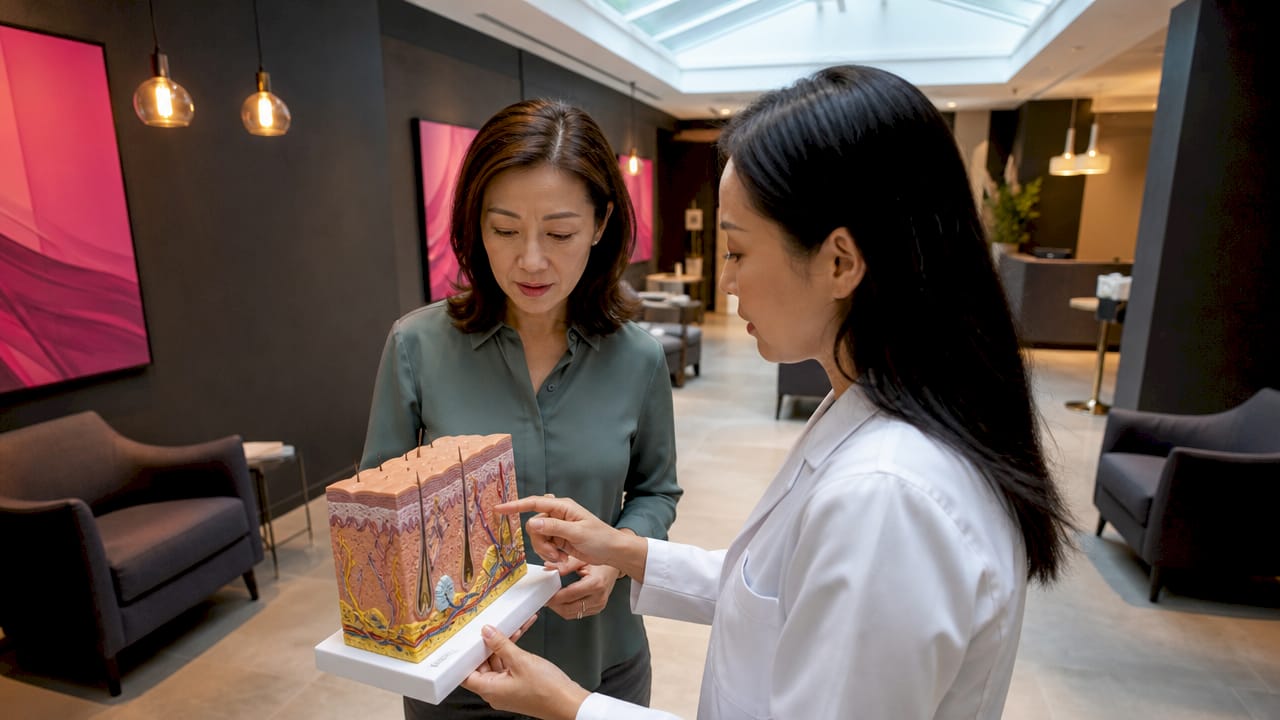
Non-surgical skin tightening is a group of energy-based in-office procedures that firm and lift loose skin by stimulating collagen remodeling without incisions or significant downtime. Technologies like radiofrequency, microfocused ultrasound, and laser therapy deliver controlled heat beneath the skin surface, triggering the body’s natural repair process. The result is gradual firming and lifting that builds over weeks to months. For patients who want real improvement without surgery, these treatments represent a meaningful middle ground between a basic facial and a surgical facelift.
What is non-surgical skin tightening and how does it differ from surgery?
Non-surgical skin tightening, also called non-invasive skin lifting in clinical settings, uses controlled thermal energy to stimulate collagen and elastin production in the dermis and deeper tissue layers. No scalpels, no stitches, and no general anesthesia are involved. The skin surface stays intact while the real work happens underneath.
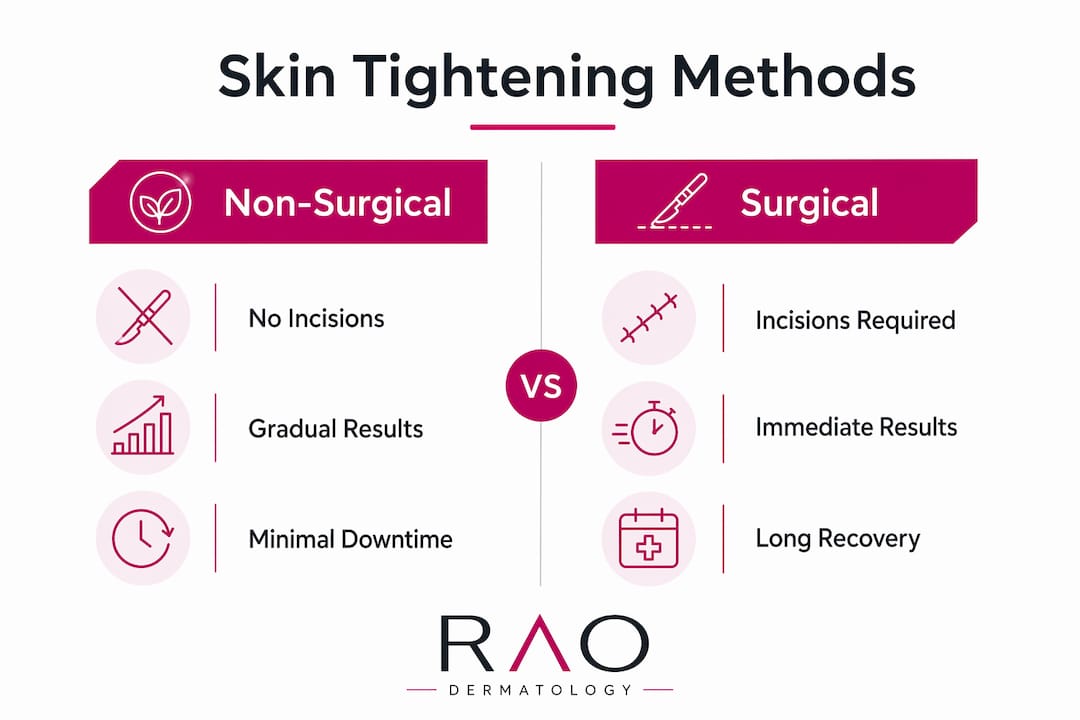
Surgery physically removes excess skin and repositions underlying structures for immediate, dramatic results. Non-surgical treatments improve skin quality gradually and require maintenance, with far less downtime. The two approaches are not interchangeable. They serve different degrees of laxity and different patient goals.
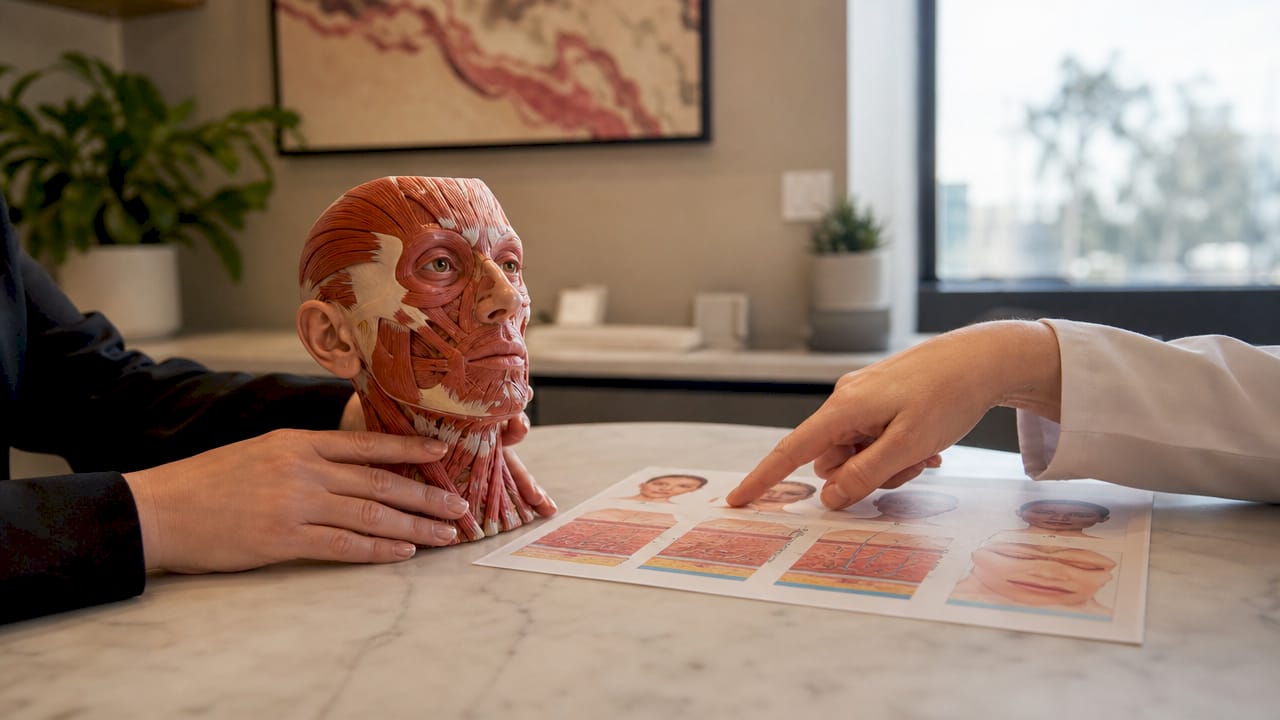
The core appeal of non-surgical options is the combination of real biological change and a return-to-normal-life-the-same-day experience. That combination has made these treatments among the most requested cosmetic procedures at dermatology practices across the country.
What types of skin tightening treatments are available?
Non-surgical modalities include microfocused ultrasound (Ultherapy), radiofrequency (including RF microneedling), laser therapy, intense pulsed light (IPL), and fibroblast treatments. Each technology delivers energy to a different depth and triggers collagen remodeling through a slightly different mechanism.
Here is how the main options compare:
| Treatment | Energy type | Depth targeted | Best for | Recovery |
|---|---|---|---|---|
| Ultherapy | Microfocused ultrasound | Up to 5 mm (SMAS layer) | Brow, chin, neck lifting | Minimal |
| Radiofrequency (RF) | RF energy | Dermis, 0.5–2 mm | Face, abdomen, arms | Minimal |
| RF microneedling | RF + microneedles | Dermis to deep dermis | Texture, laxity, scars | 1–3 days |
| Laser therapy | Light energy | Epidermis to dermis | Skin texture, mild laxity | Varies |
| IPL | Broad-spectrum light | Superficial dermis | Tone, texture | Minimal |
| Fibroblast | Plasma energy | Epidermis | Eyelids, fine lines | 5–7 days |
The depth difference matters more than most patients realize. Ultrasound reaches up to 5 mm, penetrating the superficial muscular aponeurotic system (SMAS), the same layer surgeons address during a facelift. RF energy targets the dermis at roughly 0.5–2 mm. Targeting the right depth for a patient’s specific laxity pattern is what separates a noticeable result from a disappointing one.
Laser therapy and IPL work closer to the surface and are better suited for skin texture and tone rather than significant lifting. Fibroblast treatments use plasma energy to contract the skin and are particularly effective around the eyes and mouth where laxity is superficial. Patients considering laser-based skin rejuvenation should discuss depth and target area with their provider before committing to a modality.
How does skin tightening work at the biological level?
The mechanism behind every non-surgical skin tightening treatment is controlled thermal injury followed by a healing response. Heat delivered to the dermis or deeper layers causes two things to happen: immediate collagen fiber contraction and, over the following weeks, the production of new collagen fibers through a process called neocollagenesis.
Radiofrequency heats the dermis to around 40–45°C, causing both immediate contraction and a remodeling process that continues over 2–6 months. Some newer RF devices produce internal skin temperatures between 50°C and 70°C and carry FDA clearance for skin tightening indications. Higher temperatures accelerate collagen restructuring but require precise delivery to avoid surface damage.
The key biological players are:
- Collagen: The structural protein that gives skin its firmness. Heat contracts existing fibers and triggers new fiber production.
- Elastin: The protein responsible for skin’s ability to snap back. Remodeling treatments improve elastin organization alongside collagen.
- Fibroblasts: The skin cells that produce both collagen and elastin. Thermal stimulation activates fibroblasts to ramp up production.
Results from non-surgical treatments are gradual improvements in firmness and texture, not immediate facelift-level changes. Patients typically see early changes at 4–6 weeks, with full results appearing at 3–6 months. That timeline reflects the biology. Collagen remodeling cannot be rushed.
Pro Tip: Ask your provider which specific tissue depth they are targeting and why. Matching treatment depth to your laxity pattern is the single most important factor in getting a visible result.
Who is the right candidate for non-surgical skin tightening?
Non-surgical skin tightening works best for patients with mild to moderate skin laxity. Think early jowling, mild neck looseness, or slight skin crepiness on the abdomen or arms. Patients in their 30s through 50s with good baseline skin elasticity tend to respond best.
The treatments have clear limitations that every patient should understand before booking:
- They cannot remove excess skin. A patient with significant hanging skin after major weight loss needs surgery.
- They do not reposition deeper facial structures the way a facelift does.
- They require adequate baseline elasticity to respond. Skin that has lost most of its elasticity will not remodel effectively.
- They are not a one-time fix. Most patients need a series of sessions and periodic maintenance.
Patients with active skin infections, certain implanted devices, or pregnancy are not candidates. Skin tone is generally not a barrier. RF energy is safe for all skin tones, which makes it a strong option for patients who cannot use certain laser treatments.
The honest conversation every patient needs to have with their provider is about expectations. Non-surgical methods improve skin quality but do not reduce skin quantity. If the goal is to look 20 years younger with dramatic lifting, surgery is the appropriate path. If the goal is to look refreshed and firmer with no recovery time, non-surgical options deliver real value.
Pro Tip: Review before-and-after photos from your provider’s actual patients, not manufacturer marketing images. Real patient results from your provider’s hands give you the most accurate preview of what to expect.
How do non-surgical and surgical skin tightening compare?
Surgical procedures remove excess skin and reposition underlying tissues, producing immediate and long-lasting lifting that non-surgical methods cannot replicate. A facelift, neck lift, or blepharoplasty addresses structural changes that energy-based devices simply cannot reach.
| Factor | Non-surgical | Surgical |
|---|---|---|
| Invasiveness | No incisions | Incisions required |
| Results timeline | Gradual, 3–6 months | Immediate |
| Result magnitude | Subtle to moderate | Dramatic |
| Downtime | Minimal to none | Days to weeks |
| Longevity | 1–2 years with maintenance | 5–10 years |
| Best for | Mild to moderate laxity | Moderate to severe laxity |
| Anesthesia | None or topical | Local or general |
The two categories complement each other rather than compete. Many patients use non-surgical treatments in their 30s and 40s to delay the need for surgery. Others use them after surgery to maintain results and improve skin quality between procedures. Exploring body contouring options alongside facial treatments can address laxity in multiple areas as part of a broader plan.
The decision between surgical and non-surgical comes down to the degree of laxity, the patient’s tolerance for downtime, and the magnitude of change they want. A board-certified dermatologist can assess skin laxity objectively and recommend the appropriate path.
What can patients expect during and after treatment?
Non-surgical skin tightening procedures are performed in a dermatology office and typically take 30–90 minutes depending on the modality and treatment area. Most patients describe the sensation as warmth or mild prickling. RF microneedling causes more discomfort than surface RF, and providers often apply topical numbing cream beforehand.
Here is what a typical treatment course looks like:
- Consultation: The provider assesses laxity, skin quality, and treatment goals to select the right modality and depth.
- Preparation: Skin is cleansed and, for RF microneedling or more intense treatments, numbing cream is applied 30–45 minutes before.
- Treatment: The device delivers energy in a controlled pattern across the target area. Sessions range from 30 to 90 minutes.
- Immediate aftercare: Mild redness and swelling are common and typically resolve within hours to a few days.
- Follow-up sessions: Multiple sessions are often needed because collagen remodeling takes weeks to months to fully develop.
- Maintenance: Most patients return for a maintenance session every 12–18 months to sustain results.
Even without visible downtime, thermal injury and healing occur beneath the skin. Sun protection after treatment is non-negotiable. Patients should avoid direct sun exposure and apply broad-spectrum SPF 30 or higher daily during the remodeling period. Skipping aftercare does not just slow results. It can increase the risk of pigmentation changes, particularly in patients with darker skin tones.
Key Takeaways
Non-surgical skin tightening uses controlled thermal energy to stimulate collagen remodeling, producing gradual firming and lifting without incisions, making it best suited for patients with mild to moderate skin laxity.
| Point | Details |
|---|---|
| Core mechanism | RF and ultrasound heat the dermis to trigger collagen contraction and new collagen production. |
| Treatment depth matters | Ultrasound reaches up to 5 mm; RF targets 0.5–2 mm. Matching depth to laxity drives results. |
| Best candidates | Patients with mild to moderate laxity and adequate baseline skin elasticity respond best. |
| Results are gradual | Full improvement appears at 3–6 months and requires multiple sessions plus maintenance. |
| Surgery fills a different role | Surgical options address severe laxity; non-surgical treatments improve skin quality, not quantity. |
Why I think patient education is the most underrated part of skin tightening
Most patients walk into a consultation focused on the technology. They want to know if Ultherapy or RF microneedling is better. That is the wrong question to lead with.
After years of working in cosmetic dermatology, the clearest pattern I have seen is this: patients who understand the biology before their first session get better outcomes. Not because the treatment works differently for them, but because they follow through. They complete the full treatment course. They protect their skin from the sun. They come back for maintenance. Patients who expect a dramatic overnight result after one session often quit before the collagen remodeling has had time to do its job.
The other thing I would push back on is the idea that non-surgical skin tightening is a consolation prize for people who are not ready for surgery. For the right patient, a well-planned course of RF or ultrasound treatments is genuinely the best tool available. It preserves skin quality, delays structural aging, and does it without any recovery period. That is not a compromise. That is a smart early intervention.
What I tell every patient considering these treatments: be honest with your provider about what you want to see, ask specifically which layer of tissue will be targeted and why, and commit to the full course. The technology works. The results are real. But they require patience and follow-through that no device can provide for you.
— Krunal
Skin tightening services at Raodermatology
Raodermatology brings 25+ years of dermatology expertise to patients across California, New Jersey, and New York. The practice offers a full range of cosmetic dermatology services, including energy-based skin tightening treatments selected and performed by board-certified dermatologists.
Every treatment plan at Raodermatology starts with a thorough consultation to assess your skin laxity, elasticity, and goals. The team matches the right modality and treatment depth to your specific needs rather than applying a one-size-fits-all protocol. Patients can also explore the full range of skin care services available across all locations, from non-invasive lifting to facial and esthetic treatments that complement and extend tightening results.
FAQ
What is non-surgical skin tightening?
Non-surgical skin tightening is a group of in-office procedures that use radiofrequency, ultrasound, or laser energy to stimulate collagen production and firm loose skin without incisions or surgery.
How long does it take to see results?
Results develop gradually over 3–6 months as collagen remodeling progresses. Most patients notice early changes at 4–6 weeks after their first session.
How many sessions are needed?
Most patients require multiple sessions spaced several weeks apart, followed by maintenance treatments every 12–18 months to sustain results.
Is non-surgical skin tightening safe for all skin tones?
Radiofrequency treatments are safe for all skin tones. Laser and IPL options carry a higher risk of pigmentation changes in darker skin tones and require careful provider selection.
When should someone choose surgery over non-surgical treatments?
Surgery is the appropriate choice when significant excess skin is present or when dramatic structural lifting is the goal. Non-surgical treatments address mild to moderate laxity but cannot remove or reposition skin the way surgery does.
Recommended
Filed under: