
Explore a comprehensive 2026 guide with examples of aesthetic treatments. Learn the best options for your unique needs and goals.

If you’ve started researching aesthetic treatments, you already know the options are overwhelming. From quick lunchtime injectables to full surgical procedures, the range of examples of aesthetic treatments available today covers everything from erasing a single wrinkle to reshaping your entire body contour. Choosing the right one depends on more than just what you want to change. Your skin type, budget, downtime tolerance, and long-term goals all shape which treatment will actually deliver results. This guide walks you through the most relevant categories, concrete examples, and what to consider before booking your first consultation.
Table of Contents
- Key takeaways
- 1. Injectable aesthetic treatments and their common uses
- 2. Skin resurfacing and energy-based treatments
- 3. Common surgical and body contouring aesthetic procedures
- 4. Emerging and combination aesthetic treatment options
- 5. How to choose the right aesthetic treatment for your goals
- My take on navigating aesthetic treatment decisions
- Explore aesthetic treatments at Raodermatology
- FAQ
Key takeaways
| Point | Details |
|---|---|
| Injectables are fastest | Botox and fillers require little to no downtime and deliver visible results within days to weeks. |
| Skin resurfacing builds over time | Laser and energy-based treatments stimulate collagen gradually, meaning results improve over weeks. |
| Surgery offers lasting change | Surgical procedures like facelifts and rhinoplasty produce structural results that non-surgical options cannot replicate. |
| Combination approaches work well | Pairing treatments like Botox with fillers or lasers with injectables can produce better anti-aging outcomes. |
| Provider expertise matters most | Off-label and on-label treatments are only as safe and effective as the clinician administering them. |
1. Injectable aesthetic treatments and their common uses
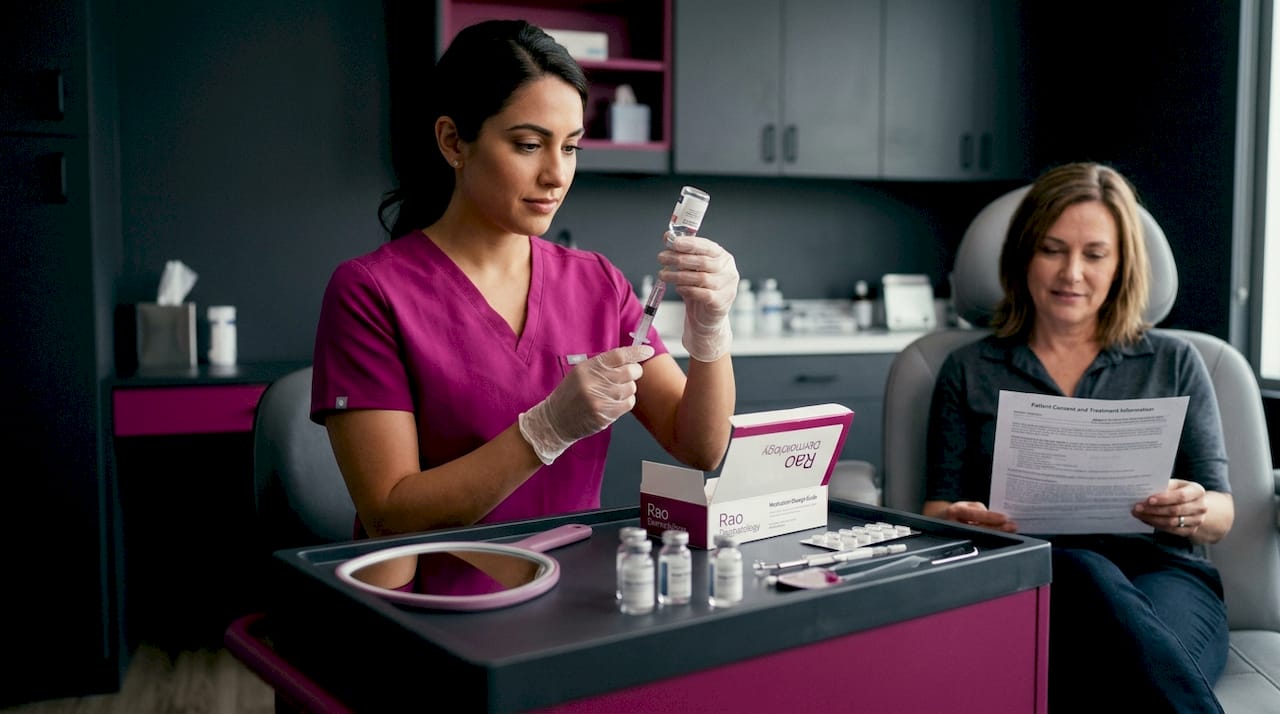
Injectables are the most popular entry point into cosmetic enhancement, and for good reason. They require no incisions, most sessions take under 30 minutes, and results are visible quickly. That said, not all injectables work the same way, and understanding the difference shapes realistic expectations.
Neuromodulators vs. dermal fillers
Botox and similar neuromodulators work by temporarily relaxing specific muscles. This makes them ideal for dynamic wrinkles like forehead lines, crow’s feet, and frown lines between the brows. Results typically last three to four months.
Dermal fillers, on the other hand, add physical volume beneath the skin. Hyaluronic acid fillers like Juvéderm Voluma restore lost volume in the cheeks and temples. Juvéderm Volux specifically targets jawline structure and definition, which is one of the award-winning treatments gaining traction in 2026. Fillers generally last six months to two years depending on the product and placement.
Common injectable treatment areas include:
- Forehead lines and frown lines (Botox)
- Cheek volume restoration (Juvéderm Voluma)
- Jawline contouring (Juvéderm Volux)
- Lip enhancement and lip flip
- Under-eye hollows (tear trough fillers)
- Nasolabial folds and marionette lines
Pro Tip: Botox has been FDA-approved since 1989 for medical conditions, and its cosmetic uses include both on-label and widely practiced off-label applications. Off-label use, such as jaw slimming or brow lifting, is legal and common when performed by experienced clinicians. Always ask your provider about their experience with specific off-label techniques.
The downside of injectables is that results are temporary. Regular maintenance appointments are part of the commitment. Still, for most people starting with facial rejuvenation methods, injectables are the most accessible and reversible starting point.
2. Skin resurfacing and energy-based treatments
If your primary concerns are texture, pigmentation, acne scars, or overall skin quality rather than volume or wrinkles, skin resurfacing and energy-based treatments are the more fitting category to explore.
These treatments work by triggering the skin’s natural repair process. Whether through controlled heat, light energy, or chemical exfoliation, the goal is collagen stimulation and cell turnover. Results appear gradually over weeks, which is actually a sign the treatment is working.
Popular examples include:
- Fraxel laser: A fractional laser that resurfaces skin in small zones, improving sun damage, pigmentation, and acne scars with two to five days of downtime
- AviClear: A 1726nm laser specifically cleared for acne treatment, particularly useful for patients who want to avoid oral medications
- Sylfirm X: Radiofrequency microneedling that targets both superficial pigmentation and deeper skin laxity, with minimal downtime and collagen-stimulating effects
- Hydrafacial: A gentler, no-downtime option that cleanses, exfoliates, and delivers serums simultaneously, suitable for maintenance rather than correction
- Chemical peels: Range from superficial (glycolic acid) to deep (TCA), addressing dullness, fine lines, and uneven tone. A comparison of chemical peels versus microdermabrasion is useful if you’re deciding between gentler resurfacing approaches
Pro Tip: Match the treatment intensity to your concern. Mild discoloration and dullness respond well to chemical peels or Hydrafacial. Deeper acne scarring or significant sun damage typically needs a device-based treatment like Fraxel or Sylfirm X. Starting with a gentler option and escalating based on results is a sensible approach for most skin types.
Recovery time varies widely across this category. Fraxel may leave skin red and rough for up to a week, while a superficial chemical peel causes mild flaking for two to three days. Discussing your downtime tolerance honestly during your consultation prevents surprises.
3. Common surgical and body contouring aesthetic procedures
Surgical procedures represent a different tier of commitment. The results are typically more dramatic and long-lasting, but recovery time, cost, and candidacy requirements are significant factors to weigh. Common cosmetic surgeries include a range of procedures addressing both the face and body.
| Procedure | Primary purpose | Key benefit |
|---|---|---|
| Facelift (rhytidectomy) | Reduce sagging skin and deep wrinkles | Long-lasting facial rejuvenation, 7-10 year results |
| Rhinoplasty | Reshape the nose structurally | Permanent correction of shape, proportion, or function |
| Eyelid surgery (blepharoplasty) | Remove excess skin around the eyes | Refreshed, more alert appearance with lasting results |
| Breast augmentation | Increase breast size and symmetry | Immediate, permanent volume with implants or fat transfer |
| Liposuction | Remove localized fat deposits | Precise body contouring in resistant areas |
| Abdominoplasty (tummy tuck) | Tighten abdominal muscles and skin | Flatter abdomen, often combined with liposuction |
Where non-surgical options work with the skin’s surface or superficial layers, surgery addresses structural changes. A facelift repositions tissue and removes excess skin in a way that no filler or device can replicate long-term. Rhinoplasty permanently alters cartilage and bone. These are not weekend procedures. Most surgical patients plan for one to three weeks of recovery minimum.
Body contouring procedures like liposuction fit into a broader category that also includes non-surgical fat reduction technologies, which Raodermatology outlines through its body contouring services. If surgery feels too aggressive for your goals, non-surgical options like cryolipolysis or radiofrequency fat reduction are worth discussing with your provider first.
Candidacy for surgery typically requires good overall health, realistic expectations, and in many cases, a stable body weight. Consulting a board-certified dermatologist or plastic surgeon before pursuing any surgical option is non-negotiable.
4. Emerging and combination aesthetic treatment options
Some of the most exciting examples right now sit at the intersection of new technology and multi-treatment approaches. Rather than a single session fixing a single problem, providers are increasingly designing treatment plans that layer modalities for better, longer-lasting results.
Combining Botox and dermal fillers is one of the most well-established combination strategies. Botox relaxes the muscles that create wrinkles while fillers restore the volume underneath. The two mechanisms are complementary, and many patients who use only one see noticeably better results after adding the other.
Beyond the classics, here are standout newer technologies generating real clinical adoption:
- SKINVIVE by Juvéderm: An injectable moisturizer (technically a microdroplet hyaluronic acid treatment) that improves skin smoothness and glow from within rather than adding structural volume. It works in the superficial dermis and is particularly popular for the cheeks.
- Renuvion (J-Plasma): An energy-based skin tightening device often used alongside liposuction to contract loose skin. It delivers award-winning results in skin tightening with less recovery than a traditional lift.
- PRF (Platelet-Rich Fibrin): An evolution of PRP that uses your own blood-derived growth factors with no additives. It’s gaining ground for under-eye hollows and scalp hair restoration.
- Exosome therapy: A regenerative treatment still gaining regulatory footing, but already used in clinics to support wound healing and post-procedure skin recovery.
The trend toward multi-modality care reflects a broader shift in how aesthetic results are understood. Rather than treating one concern in isolation, providers who understand how different treatments complement each other can create outcomes that look natural and age well rather than obviously “done.”
5. How to choose the right aesthetic treatment for your goals
The volume of options available is genuinely useful. It means there’s a treatment path for nearly every concern and budget. But it also means you can easily end up with the wrong treatment for your specific goal if you walk in without a framework.
Use these questions to guide your decision-making process:
- What is your primary concern? Volume loss, wrinkles, texture, pigmentation, fat, and skin laxity all have different best-fit treatments. Mixing up the target leads to disappointing results.
- How much downtime can you realistically manage? A Hydrafacial has zero downtime. Fraxel requires up to a week. Surgery may require a month of restricted activity. Be honest before you commit.
- What is your budget for ongoing maintenance? Injectables require repeat visits. Laser packages often involve multiple sessions. Surgical results last longer but cost more upfront. Calculate the total cost over two years, not just the first appointment.
- What is your skin type and any contraindications? Darker skin tones require specific laser settings to avoid hyperpigmentation. Certain medications affect candidacy for surgery or injectables.
- What do before-and-after results actually look like for your concern? Ask to see results for patients with similar skin, age, and concern. Generic portfolio photos are less useful than specific examples.
When meeting with a provider, be cautious of anyone who recommends an aggressive or expensive treatment at your very first appointment without a thorough skin assessment. Experienced practitioners discuss options, explain tradeoffs, and let you set the pace. Reversing signs of aging through professional skin rejuvenation is a process, not a single transaction.
My take on navigating aesthetic treatment decisions
I’ve seen a lot of people come in having already “decided” on a treatment they read about online, and about half the time, it’s the wrong one for what they actually want to fix. The most common mismatch: patients requesting fillers when their real concern is skin quality. Fillers add volume. They don’t improve texture, tone, or pigmentation. When someone looks tired or aged, it’s often a combination of volume loss AND skin quality decline. Treating only one rarely looks right.
What I find genuinely useful is looking at the face or skin concern and asking: is this structural, surface, or both? Structural problems (volume, contour, sagging) need injectables or surgery. Surface problems (dullness, spots, texture) need resurfacing. Most people over 40 need both addressed at some point.
I also want to address the off-label use question directly, because it causes unnecessary anxiety. Off-label does not mean unsafe. It means the treatment is being applied outside the specific indication the FDA reviewed during approval. Experienced clinicians use off-label applications routinely, based on published data and clinical experience. What matters is your provider’s credentials and experience, not whether every single use is the one listed on the FDA label.
Finally: skin health is ongoing. The best aesthetic results come from people who treat their skin consistently, not those who do one big procedure and disappear for five years.
— Krunal
Explore aesthetic treatments at Raodermatology

Raodermatology has been helping patients across California, New Jersey, and New York navigate exactly these decisions for over 25 years. Whether you’re curious about injectables, considering a laser treatment, or exploring body contouring options, the practice’s board-certified dermatologists create individualized plans based on your skin type, goals, and timeline.
You can explore the full range of skin rejuvenation services to get a clear picture of what’s available in-clinic. For a broader look at every aesthetic and medical offering, the complete services overview is the best starting point before booking a consultation.
No treatment plan should feel rushed or one-size-fits-all. Raodermatology’s approach prioritizes realistic outcomes, honest provider guidance, and skin health that lasts beyond any single appointment. Reach out to the nearest location to schedule your consultation.
FAQ
What are examples of aesthetic treatments?
Examples of aesthetic treatments include Botox, dermal fillers, chemical peels, laser resurfacing, Hydrafacial, microneedling, liposuction, rhinoplasty, and skin tightening devices like Renuvion. They span non-surgical and surgical categories addressing wrinkles, volume, texture, pigmentation, and body shape.
What is the difference between Botox and dermal fillers?
Botox relaxes muscles to reduce dynamic wrinkles, while dermal fillers add volume to restore lost fullness and contour. They work through different mechanisms and are often used together for more complete facial rejuvenation.
Are off-label aesthetic treatments safe?
Off-label aesthetic treatments are legal and widely used by experienced clinicians based on published clinical data. Safety depends primarily on the provider’s training and experience, not on whether an application is specifically listed in the FDA’s original approval.
How do I choose between surgical and non-surgical options?
Choose based on the severity of your concern, downtime tolerance, and how long you want results to last. Non-surgical treatments like injectables and lasers suit moderate concerns with minimal recovery, while surgery addresses structural issues requiring lasting, significant change.
How many sessions does a laser treatment typically require?
Most laser treatments require a series of two to five sessions spaced several weeks apart for optimal results, though some devices like AviClear involve a specific three-session protocol. Your provider will recommend a plan based on your specific skin concern.
Recommended
- Cosmetic Dermatology | Rao Dermatology
- Stylish Skincare: Modern Dermatology Treatments for Today’s Lifestyle | Rao Dermatology
- How to Choose the Right Medical Spa: Your Complete Guide to Medical-Grade Aesthetic Treatments | Rao Dermatology
- Your step-by-step cosmetic dermatology consultation guide | Rao Dermatology
Filed under: