
Discover our post-treatment skin care guide to speed up healing and prevent complications after dermatological procedures. Learn the best practices now!
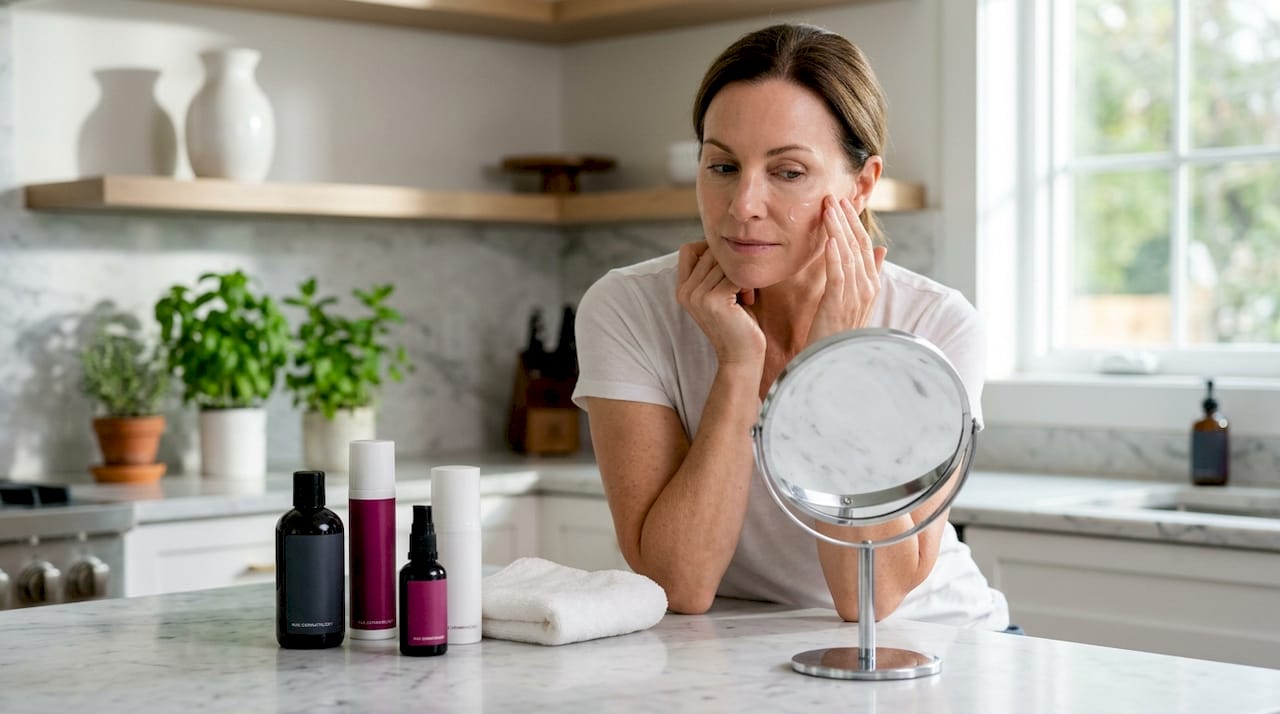
Post-treatment skin care is the deliberate practice of protecting and supporting your skin through distinct healing phases after dermatological procedures, using evidence-based products to promote recovery and prevent complications. A structured post-treatment skin care guide is not optional. Skipping or improvising aftercare raises the risk of pigment changes, scarring, and prolonged inflammation. The 2026 expert consensus defines four healing phases, each requiring a different approach. Five ingredients, including ceramides, hyaluronic acid, and niacinamide, are recommended across all phases to support the skin barrier and reduce water loss.
What are the healing phases after dermatological treatment?
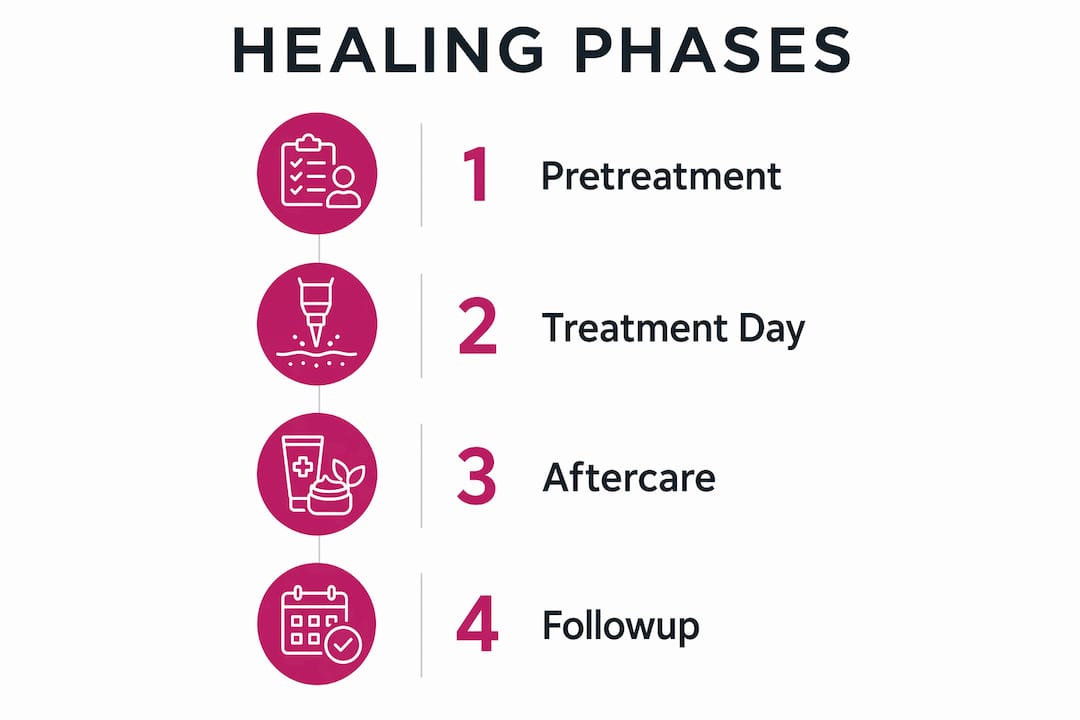
Skincare protocols after treatment are organized into four phases: Pretreatment (Days 14 to 1 before the procedure), Treatment Day (Day 0), Aftercare (Days 1–7), and Followup (Days 8–28). Each phase reflects a different state of skin integrity, and the care you apply must match that state.
During Pretreatment, the goal is to build a strong barrier. Patients should use moisturizers and SPF 50+ for at least 14 days before their procedure. A well-prepared barrier reduces complications and supports faster recovery.
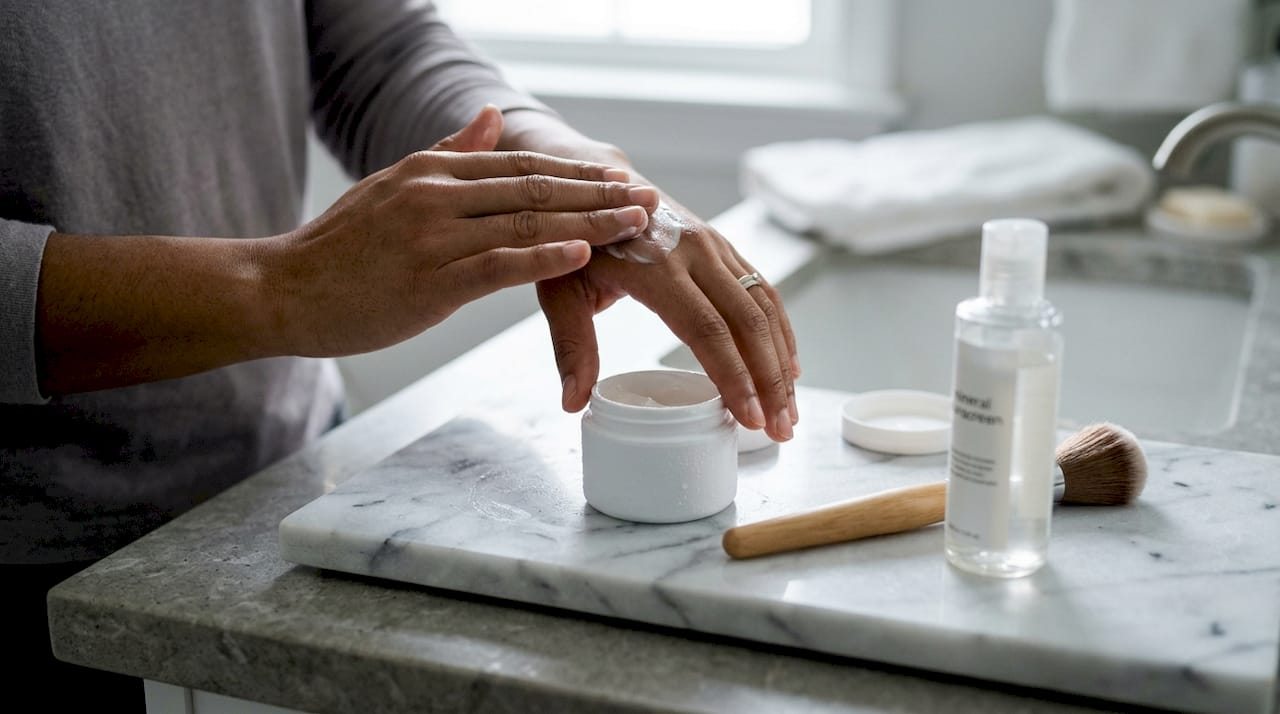
On Treatment Day, the skin barrier is disrupted. No active ingredients should be applied. The skin is at its most vulnerable, and the only priority is protection and gentle cleansing.
During Aftercare (Days 1–7), the skin is actively healing. The first 48 hours are the most critical. Occlusive, barrier-supportive products with ceramides and hydrating agents minimize transepidermal water loss and calm inflammation. Retinoids, acids, and exfoliants are strictly off the table during this window.
The Followup phase (Days 8–28) marks the point where re-epithelialization is typically complete. Active ingredients can be reintroduced gradually. Healing timelines vary by procedure depth, so deeper treatments require a more conservative reintroduction schedule.
| Phase | Timing | Skin Status | Primary Goal |
|---|---|---|---|
| Pretreatment | Days 14–1 before | Intact barrier | Strengthen and prepare |
| Treatment Day | Day 0 | Barrier disrupted | Protect only |
| Aftercare | Days 1–7 | Active healing | Barrier repair, hydration |
| Followup | Days 8–28 | Re-epithelialization | Gradual active reintroduction |
Patients with skin of color face a higher risk of post-inflammatory hyperpigmentation (PIH) during the Aftercare phase. This makes ingredient timing even more critical for those patients. A personalized protocol from your dermatologist is not a luxury. It is a clinical necessity.
Which products and ingredients should you use post-treatment?
The five ingredients recommended across all treatment phases are ceramides, cholesterol, hyaluronic acid, niacinamide, and peptides. These ingredients support the skin barrier, reduce water loss, and calm inflammation without triggering irritation.
Safe ingredients for all phases
- Ceramides: Restore the lipid barrier and prevent moisture loss.
- Hyaluronic acid: Draws water into the skin and maintains hydration.
- Niacinamide: Calms redness and supports barrier function.
- Peptides: Signal repair and support collagen production.
- Panthenol (Vitamin B5): Soothes and accelerates tissue repair.
Simply using “gentle” products is not enough. Targeted barrier repair ingredients like ceramides and panthenol actively prevent irritation that can mimic allergic responses in early recovery. Generic “sensitive skin” labels do not guarantee the right formulation.
Ingredients to avoid during Days 1–7
- Retinoids (retinol, tretinoin)
- Alpha hydroxy acids (AHAs) and beta hydroxy acids (BHAs)
- Physical and chemical exfoliants
- Fragrances and essential oils
- Alcohol-based toners
- Vitamin C in high concentrations
Reintroducing active ingredients too soon based on how your skin feels is a common cause of pigment flare-ups. Timed protocols guided by visible healing markers are far safer than relying on subjective comfort.
Gradual reintroduction during Days 8–28
After Day 8, you can begin adding low-strength actives back into your routine. Start with vitamin C at a low concentration (5–10%), then consider low-strength AHAs after Week 3 if your skin tolerates it. Retinoids are typically the last to return, often after Week 4 or on clinician advice.
Mineral sunscreens with SPF 30 or higher are the gold standard for treated skin. They provide broad-spectrum UV protection without the chemical filters that can irritate a compromised barrier. Apply every morning, regardless of whether you plan to go outside.
Pro Tip: Keep a simple log of every product you apply and note any redness, stinging, or breakouts. This record helps your dermatologist adjust your plan at your next visit.
How do you build a daily aftercare skin routine?
A daily routine for skin recovery follows the same logic as the healing phases: start minimal, then build. The aesthetic skin care workflow at Raodermatology follows this exact progression.
Week 1 daily routine (Days 1–7)
- Cleanse with a fragrance-free, non-foaming cleanser and lukewarm water. Pat dry. Never rub.
- Apply a barrier serum containing ceramides or hyaluronic acid while skin is still slightly damp.
- Moisturize with a gentle, occlusive cream. Apply twice daily to maintain moisture and reduce tightness.
- Apply mineral sunscreen (SPF 30+) every morning as the final step.
- Avoid makeup for at least the first 48–72 hours, or as directed by your provider.
Weeks 2–4 daily routine (Days 8–28)
- Cleanse with the same gentle cleanser. You may switch to a mild foaming formula if tolerated.
- Apply a repair serum with peptides or low-dose vitamin C after Day 8.
- Moisturize twice daily. You can transition to a lighter formula as skin normalizes.
- Apply mineral sunscreen every morning without exception.
- Reintroduce actives one at a time, with at least one week between each new addition.
Pro Tip: Avoid hot showers, saunas, and intense exercise for at least the first week. Heat increases blood flow to the skin surface, which can worsen redness and swelling in healing tissue.
| Care Task | Days 1–7 | Days 8–28 |
|---|---|---|
| Cleanser type | Fragrance-free, non-foaming | Mild, gentle formula |
| Actives | None | Low-dose vitamin C, then AHAs |
| Moisturizer | Heavy, occlusive cream | Lighter barrier cream |
| Sunscreen | Mineral SPF 30+ | Mineral SPF 30+ |
| Makeup | Avoid | Reintroduce cautiously after Day 10 |
For procedure-specific guidance, Raodermatology’s post-Botox skin care article covers the nuances that apply after injectable treatments specifically.
What mistakes do patients make in post-treatment skin care?
The most damaging mistakes in aftercare share a common root: impatience. Patients feel their skin looks better and assume it is ready for their normal routine. The skin’s deeper vascular and immune responses continue for up to 14 days even when the surface looks healed. Acting on surface appearance alone leads to setbacks.
The most common mistakes include:
- Scrubbing or picking at peeling skin. Peeling and redness are normal but should never be accelerated. Picking increases the risk of scarring and infection.
- Reintroducing retinoids or acids too early. Even a single application during Days 1–7 can trigger PIH, especially in darker skin tones.
- Skipping sunscreen on cloudy days. UV exposure is the top driver of post-treatment pigmentation issues.
- Applying makeup to cover redness. Most makeup products contain fragrances or preservatives that irritate healing skin.
- Following generic online advice. Post-procedure care is not one-size-fits-all. Ingredient timing must be tailored by procedure intensity and skin type.
Adherence to a clinician-directed aftercare plan is the top predictor of positive recovery outcomes. Patients who follow personalized protocols consistently experience fewer complications and better long-term results than those who rely on general advice.
Signs that warrant a call to your provider include persistent swelling after Day 3, increasing redness rather than decreasing, yellow or green discharge, or any open wound that is not closing. These are not normal healing signs.
Pro Tip: Take a photo of your skin each morning during the first two weeks. Visual documentation helps you and your dermatologist track healing progress and catch early warning signs before they become complications.
Key Takeaways
Effective post-treatment skin care requires following a phased protocol with barrier-supportive ingredients, strict sun protection, and gradual reintroduction of actives guided by your dermatologist.
| Point | Details |
|---|---|
| Four healing phases | Pretreatment, Treatment Day, Aftercare, and Followup each require a different care approach. |
| Five core ingredients | Ceramides, hyaluronic acid, niacinamide, peptides, and cholesterol are safe and effective across all phases. |
| Avoid actives in Week 1 | Retinoids, AHAs, and exfoliants must be avoided during Days 1–7 to prevent PIH and irritation. |
| Sunscreen is non-negotiable | Mineral SPF 30+ applied daily prevents UV-driven pigmentation during all healing phases. |
| Personalized plans outperform generic advice | Procedure intensity and skin type determine timing; clinician guidance reduces complication risk. |
What I’ve learned from watching patients skip the boring part
The procedure gets all the attention. Patients research it, prepare for it, and talk about it. Then they walk out the door with a printed aftercare sheet and treat it like fine print. That is where outcomes diverge.
What I have seen consistently is that the patients who heal best are not the ones who had the smoothest procedures. They are the ones who took the aftercare sheet seriously. They used the right cleanser, they skipped the gym for a week, and they did not reach for their retinol on Day 5 because their skin “felt fine.”
The uncomfortable truth is that the procedure does about half the work. The other half happens in your bathroom over the next four weeks. Healing involves a staged progression from occlusive moisturizing to gradual reintroduction of repair-signaling ingredients. Rushing that progression does not speed up results. It reverses them.
Patients with skin of color carry a higher burden here. The margin for error with PIH is narrow. A single premature application of an acid can set back results by months. That is not a scare tactic. It is a clinical reality that deserves more attention than it gets in most aftercare conversations.
My advice is simple: treat the aftercare phase with the same seriousness you gave to choosing your procedure. Follow your provider’s instructions exactly, track your skin’s response, and resist the urge to improvise. The care instructions your dermatologist provides are not suggestions. They are the protocol that protects your investment.
— Krunal
Raodermatology’s approach to post-treatment care
Raodermatology brings over 25 years of clinical experience to both medical and cosmetic dermatology across California, New Jersey, and New York. Every patient receives a personalized aftercare plan matched to their procedure type, skin tone, and healing history.

Whether you have just completed a cosmetic treatment or are managing a medical skin condition, Raodermatology’s licensed estheticians and board-certified dermatologists can build a routine that fits your skin’s specific needs. The practice offers a full range of dermatology services, including post-treatment consultations designed to keep your recovery on track. Booking a follow-up visit is the most direct way to protect your results and avoid the setbacks that generic advice cannot prevent.
FAQ
What are the four phases of post-treatment skin care?
The four phases are Pretreatment (Days 14–1 before), Treatment Day (Day 0), Aftercare (Days 1–7), and Followup (Days 8–28). Each phase requires a different set of products and restrictions based on the skin’s healing status.
When can I reintroduce retinoids after a dermatological procedure?
Retinoids should be avoided during Days 1–7 and are typically reintroduced after Week 4, or only when your dermatologist confirms re-epithelialization is complete.
What sunscreen should I use on healing skin?
Mineral sunscreens with SPF 30 or higher are the recommended choice for treated skin. They provide broad-spectrum protection without chemical filters that can irritate a compromised barrier.
How do I know if my skin is healing normally?
Normal healing includes redness, mild swelling, and peeling that gradually decrease after Day 3. Increasing redness, yellow discharge, or wounds that are not closing are signs to contact your provider immediately.
Is post-treatment skin care different for skin of color?
The core principles are the same, but patients with darker skin tones face a higher risk of post-inflammatory hyperpigmentation. Ingredient timing must be more conservative, and clinician-guided protocols are especially critical for this group.
Recommended
Filed under: