
Discover essential cosmetic procedure aftercare steps to heal faster and achieve optimal results. Don't risk your recovery—learn more!
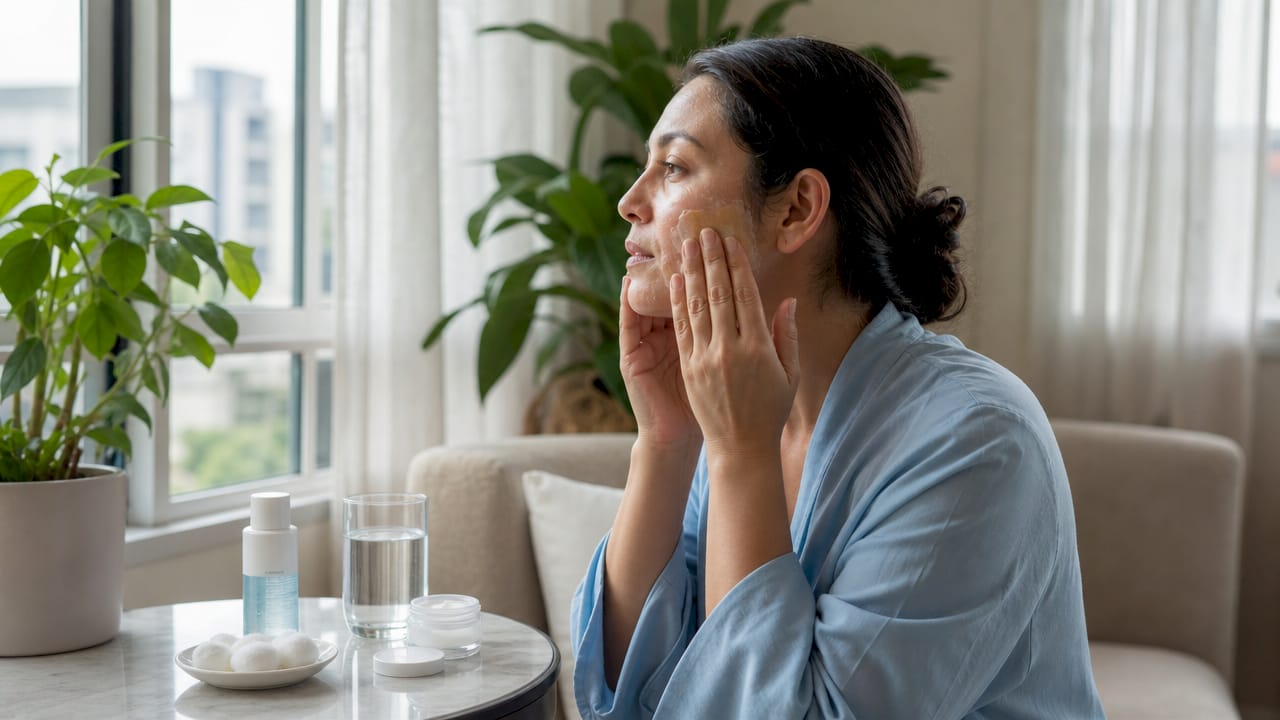
Cosmetic procedure aftercare steps are the defined actions patients take after treatment to protect healing tissue, prevent complications, and secure the best possible aesthetic results. Patients who follow structured post-care protocols heal faster with fewer complications, with clinical outcomes improving by 30–40% compared to those who skip or improvise their recovery routine. That gap is not small. It represents the difference between results that last and results that disappoint. Whether you have had a laser resurfacing session, injectable treatment, or a surgical procedure, the recovery phase is where your outcome is either protected or lost.
What are the essential cosmetic procedure aftercare steps?
Preparation is the first real aftercare step, and most patients underestimate it. Having the right supplies ready before you return home removes friction during the hours when you feel least capable of problem-solving.
Wound care supplies to have on hand:
- A gentle, pH-balanced cleanser with no fragrance or alcohol
- A fragrance-free moisturizer or barrier repair cream
- Non-stick wound dressings or gauze if your provider prescribes them
- Medical-grade tape that does not irritate sensitive skin
- Ice packs wrapped in a clean cloth, never applied directly to skin
Home setup for recovery:
- A firm pillow or wedge to keep your head elevated above heart level
- A comfortable resting area away from direct sunlight and drafts
- Easy access to water, prescribed medications, and your provider’s contact information
Nutritional support matters from day one. Vitamin C supports collagen synthesis, zinc accelerates tissue repair, and adequate protein gives your body the raw materials it needs. If your provider prescribes narcotic pain medication, stool softeners prevent constipation strain on incisions, which is a detail many patients overlook until it becomes a problem.
Pro Tip: Write your provider’s after-hours number on a sticky note and place it next to your bed before your procedure day. Searching for contact information while in pain or disoriented is avoidable.

| Supply category | What to prepare |
|---|---|
| Cleansing | Gentle, fragrance-free, pH-balanced cleanser |
| Moisture and barrier | Fragrance-free moisturizer or barrier cream |
| Wound protection | Non-stick dressings, medical tape |
| Swelling control | Wrapped ice packs, elevation pillow |
| Nutrition | Vitamin C, zinc, protein-rich foods |
| Medication support | Stool softeners if narcotics are prescribed |
How should you manage wound care and skincare after a procedure?
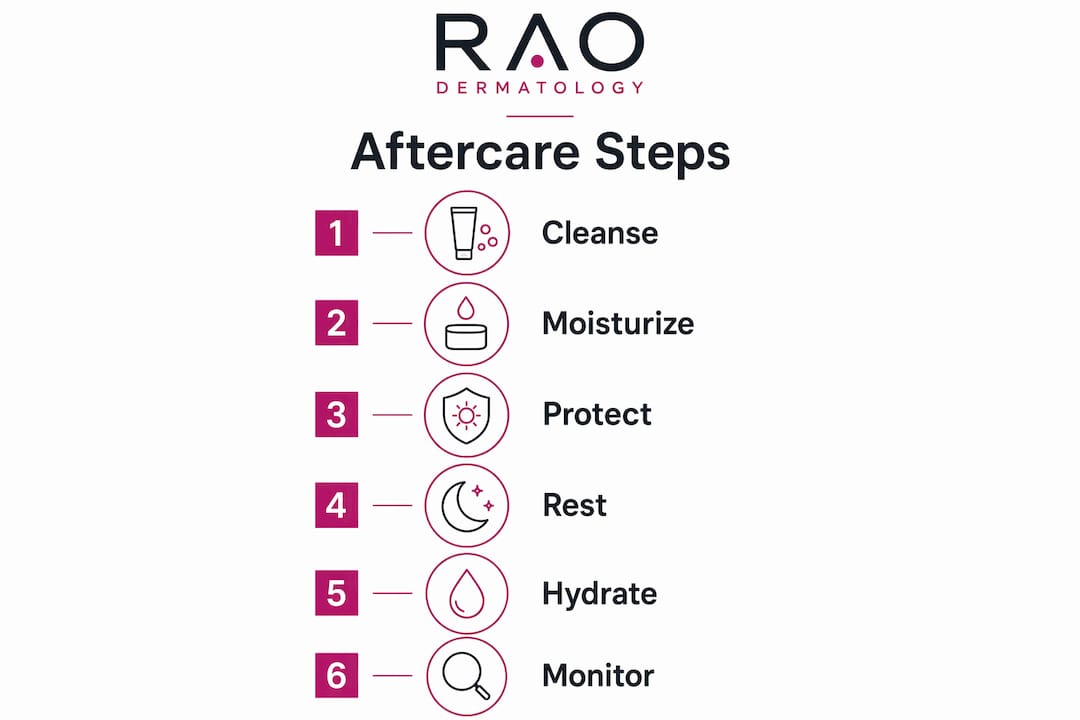
The skin immediately after a cosmetic procedure is in a vulnerable state. Its barrier is compromised, its inflammatory response is active, and it is highly reactive to anything applied to it.
Follow this daily skincare sequence during early recovery:
- Rinse the treated area with lukewarm water and a gentle, fragrance-free cleanser. Pat dry with a clean, soft cloth. Never rub.
- Apply any prescribed topical medication or recovery serum exactly as directed.
- Follow with a fragrance-free moisturizer to support barrier repair. A minimalist skincare routine with gentle cleansers and moisturizers is more effective than layering multiple products.
- Apply a broad-spectrum physical sunscreen with SPF 50 or higher if you are going outdoors. Reapply every two hours.
- Avoid touching, picking, or pressing on healing skin between cleansing sessions.
Active skincare ingredients cause real damage during recovery. Retinoids and AHAs should be avoided for a minimum of 5–14 days post-procedure, depending on treatment intensity. These ingredients accelerate cell turnover, which is exactly the wrong action when your skin needs to consolidate new tissue. Vitamin C serums, exfoliating acids, and benzoyl peroxide fall into the same category.
Sun protection is not optional during recovery. UV exposure during healing increases the risk of hyperpigmentation and can permanently alter your results. Physical sunscreens containing zinc oxide or titanium dioxide are preferred over chemical filters because they sit on the skin surface rather than absorbing into compromised tissue. Wear a wide-brimmed hat outdoors and continue sun protection for up to six months post-procedure.
“Redness, mild peeling, and minor swelling in the first week are signs of normal healing, not signs that something went wrong. Expecting these responses reduces unnecessary anxiety and prevents patients from over-treating their skin.”
Pro Tip: Before reintroducing any active skincare product after recovery, test it on a small patch of intact skin for 24 hours. This simple step prevents delayed contact dermatitis on your treated area.
What activity restrictions help healing after cosmetic surgery?
Physical activity directly affects blood pressure, circulation, and tissue tension at incision sites. Getting this balance right is one of the most consequential parts of post-cosmetic treatment care.
Early gentle ambulation is essential for circulation and reducing blood clot risk. Complete bed rest is not the goal. Short, slow walks around your home starting within 24 hours of most procedures keep blood moving without stressing healing tissue.
Activity guidelines by recovery phase:
- Days 1–3: Rest with short, gentle walks every few hours. No bending, straining, or reaching overhead.
- Days 4–14: Light daily movement continues. Avoid lifting over 5 pounds and any activity that raises your heart rate significantly.
- Weeks 2–4: Gradual increase in light activity with provider guidance. Still no gym, running, or heavy lifting.
- Weeks 4–6: Return to normal exercise is typically possible with surgeon clearance. Do not self-authorize this step.
Swelling management requires more than ice packs. A multimodal approach combining compression garments, elevation, and a low-sodium diet produces better results than any single method. Compression garments reduce fluid accumulation in tissue. Keeping the treated area elevated above heart level, especially during sleep, uses gravity to move fluid away from the site. Cutting sodium reduces the body’s tendency to retain water in inflamed tissue.
Pro Tip: Sleep with your head elevated on a wedge pillow for the first two weeks after facial procedures. This one habit reduces morning swelling significantly and makes the first days of recovery more comfortable.
How do nutrition, hydration, and medication affect cosmetic recovery?
What you eat and drink during recovery is not secondary. Tissue repair is a biological process that requires specific raw materials, and your diet either supplies them or forces your body to work harder.
Vitamin C is the most direct dietary support for collagen production. Zinc accelerates wound closure and reduces infection risk. Protein provides the amino acids that build new skin cells. Prioritize lean proteins, leafy greens, citrus, nuts, and seeds during the first two weeks of recovery.
Hydration maintains tissue oxygenation and helps flush inflammatory byproducts. Dehydrated tissue heals more slowly and is more prone to complications. Aim for consistent water intake throughout the day rather than large amounts at once.
Substances to avoid during early recovery:
- Alcohol, which dilates blood vessels and increases swelling
- Blood-thinning supplements such as fish oil, vitamin E, and aspirin unless medically required
- Excessive sodium, which promotes fluid retention
- Caffeine in large amounts, which can disrupt sleep and elevate blood pressure
Follow your prescribed medication schedule without gaps. Pain management medications work best when taken on schedule rather than waiting until pain becomes severe. If antibiotics are prescribed, complete the full course even if you feel well. Stool softeners are a critical component of post-op care for patients on narcotic pain medications, preventing the kind of straining that can stress incision sites.
Pro Tip: Set phone alarms for each medication dose during the first week. Pain that gets ahead of medication is harder to control and disrupts sleep, which is when most tissue repair occurs.
What aftercare mistakes slow healing and how do you spot complications?
The most common aftercare errors are not dramatic. They are small decisions made from impatience or misinformation that compound over days.
The most frequent mistakes patients make:
- Returning to active skincare products too soon. Applying retinoids or exfoliating acids before the skin barrier has closed causes irritation, redness, and in some cases, post-inflammatory hyperpigmentation.
- Overexerting physically in the first two weeks. Elevated heart rate increases blood pressure at incision sites and can cause bleeding or swelling to worsen.
- Ignoring changes at the incision site. Gradual improvement is normal. Increasing redness, warmth, swelling, discharge, or foul odor are not normal and require prompt contact with your provider.
- Using multiple new skincare products at once during reintroduction. Testing new products on intact skin before applying them to treated areas prevents contact dermatitis.
- Dismissing emotional and physical fatigue around days 3–5 as a complication. This phase is a normal inflammatory response, not a sign that something went wrong.
“Patients who understand that a dip in energy and mood around day four is a predictable part of the inflammatory cycle recover with far less anxiety than those who interpret it as a warning sign.”
Contact your provider immediately if you notice fever above 101°F, rapidly increasing swelling on one side, skin that feels hot to the touch, or any discharge that is not clear. These signs warrant same-day evaluation, not a wait-and-see approach.
Key Takeaways
Structured aftercare, not the procedure itself, determines the quality and longevity of your cosmetic results.
| Point | Details |
|---|---|
| Prepare before you recover | Assemble wound care supplies, elevation pillows, and provider contact information before your procedure day. |
| Protect the skin barrier | Use only gentle cleansers and fragrance-free moisturizers for the first 5–14 days; avoid retinoids and AHAs. |
| Balance rest with movement | Short gentle walks prevent blood clots; avoid lifting over 5 pounds for 2–3 weeks. |
| Support healing through diet | Prioritize vitamin C, zinc, and protein; avoid alcohol, excess sodium, and blood-thinning supplements. |
| Recognize warning signs early | Increasing redness, warmth, discharge, or fever require same-day provider contact, not observation. |
What I have learned about recovery expectations after cosmetic procedures
After seeing patients navigate recovery across a wide range of cosmetic procedures, the pattern that stands out most is not physical. It is the gap between what patients expect and what recovery actually feels like.
Most patients prepare for the procedure itself with great care. They research the treatment, choose their provider thoughtfully, and follow pre-procedure instructions precisely. Then they arrive home and treat aftercare as an afterthought. The result is that the procedure goes well and the recovery undermines it.
The patients who heal best share two habits. First, they commit to a minimalist post-procedure skincare approach rather than reaching for their full routine too soon. Second, they treat rest and gentle movement as equally important. Neither complete stillness nor premature activity serves healing. The body needs both.
The emotional dip around days 3–5 catches nearly everyone off guard the first time. Fatigue, mild frustration, and a sense that recovery is taking too long are universal experiences at that stage. Understanding that this is the inflammatory cycle peaking, not a complication, changes how patients respond. They rest instead of panic. They hydrate instead of reaching for products that might help. That response makes a measurable difference.
Individualized recovery timelines also matter more than most patients realize. A facelift recovery and a laser resurfacing recovery look very different, even if both involve skin healing. Clear communication with your provider about what is normal for your specific procedure prevents unnecessary worry and unnecessary intervention. The dermatology best practices that guide recovery protocols exist because they work. Following them precisely is the highest-return action a patient can take.
— Krunal
Raodermatology’s approach to cosmetic recovery support
Raodermatology brings 25 years of clinical experience to both the procedure and the recovery that follows it. The practice’s cosmetic dermatology services include personalized post-procedure care plans developed by board-certified dermatologists and licensed estheticians across California, New Jersey, and New York.
Recovery does not end when you leave the treatment room. Raodermatology’s esthetic services include follow-up appointments designed to monitor healing, address skin barrier repair, and reintroduce active treatments at the right time. Whether you have questions about your current recovery or want to plan your next procedure with a clear aftercare protocol in place, Raodermatology’s team is available to guide you through every phase.
FAQ
What are the most important cosmetic procedure aftercare steps?
The most critical steps are gentle cleansing, fragrance-free moisturizing, sun protection with SPF 50 or higher, activity restriction for 2–3 weeks, and close monitoring of the treatment site for signs of infection.
How long should I avoid active skincare ingredients after a procedure?
Avoid retinoids, AHAs, and exfoliating acids for a minimum of 5–14 days post-procedure. The exact timeline depends on treatment intensity and your provider’s specific instructions.
When can I return to exercise after cosmetic surgery?
Most patients can return to normal exercise 4–6 weeks post-procedure with surgeon clearance. Gentle walking is encouraged from day one to support circulation and reduce blood clot risk.
What are the warning signs of a post-procedure complication?
Increasing redness, warmth, swelling on one side, discharge, foul odor, or fever above 101°F are warning signs that require same-day contact with your provider.
Does diet really affect cosmetic recovery?
Diet directly affects healing speed and tissue quality. Vitamin C, zinc, and protein support collagen production and wound closure, while alcohol and excess sodium increase swelling and slow recovery.
Recommended
Filed under: