
Learn how to prevent skin cancer with essential sun safety tips. Protect your skin year-round from harmful UV rays and stay healthy!
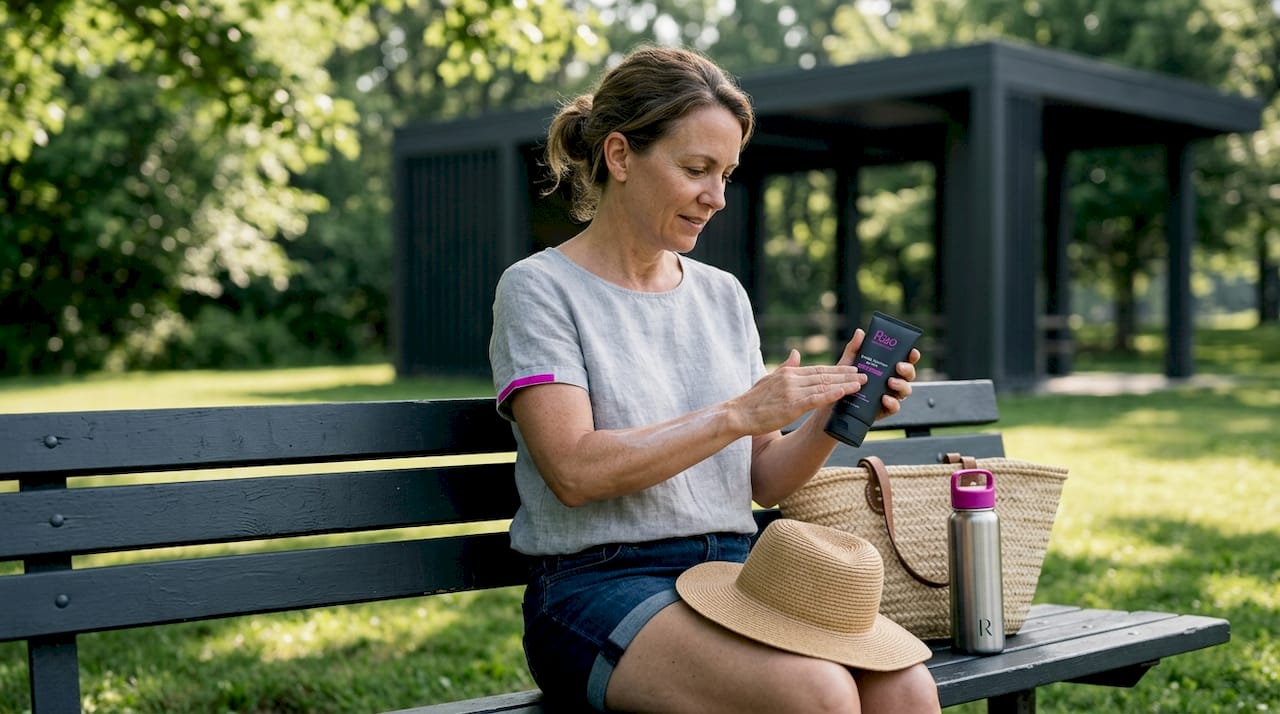
Skin cancer prevention is defined as a set of daily habits that protect your skin from ultraviolet (UV) radiation, the leading cause of the disease. The CDC confirms that most skin cancers result from too much UV exposure, whether from the sun or artificial sources like tanning beds. The American Academy of Dermatology recommends broad-spectrum sunscreen of SPF 30 or higher as a baseline defense. UV rays reach your skin on cloudy days, in winter, and even through car windows, which means protection cannot be seasonal. Knowing how to prevent skin cancer starts with understanding that UV exposure is a year-round threat, not a summer problem.
How to prevent skin cancer by understanding UV rays
UV radiation comes in two forms that matter for skin health: UVA and UVB rays. UVA rays penetrate deep into the skin and drive premature aging and long-term cellular damage. UVB rays are shorter in wavelength and cause sunburn, directly triggering the DNA mutations in skin cells that lead to cancer. Both types contribute to carcinogenesis, and both require protection.
One of the most persistent myths in sun safety is that a tan signals healthy skin. A tan is actually a sign of skin damage, not a protective adaptation. When your skin darkens, it means UV rays have already injured skin cells and triggered melanin production as a stress response. That response does not prevent further damage.
Artificial UV sources compound the risk significantly. Tanning beds emit concentrated UV radiation at intensities that often exceed natural sunlight. Snow, water, sand, and concrete all reflect UV rays back onto your skin, meaning shade alone does not eliminate exposure on bright days.
- UVA rays: penetrate deeply, cause aging and long-term DNA damage
- UVB rays: cause sunburn and directly trigger mutations linked to cancer
- Reflected UV: bounces off water, snow, and sand to reach shaded areas
- Tanning beds: emit UV levels that can exceed outdoor sun intensity
Pro Tip: Check the UV Index forecast on apps like Weather.com or the EPA’s UVIndex app before heading outside. A UV Index of 3 or higher means protective measures are needed, regardless of temperature or cloud cover.
What is the best sunscreen for skin cancer prevention?
Sunscreen selection and application are where most people fall short, and the gap between knowing and doing costs real protection. Broad-spectrum sunscreen is the standard you need. It blocks both UVA and UVB rays, unlike older formulas that only addressed sunburn. SPF 30 filters roughly 97% of UVB rays, and SPF 50 filters about 98%. The difference sounds small, but for people with fair skin, a history of sunburns, or a family history of skin cancer, that margin matters.
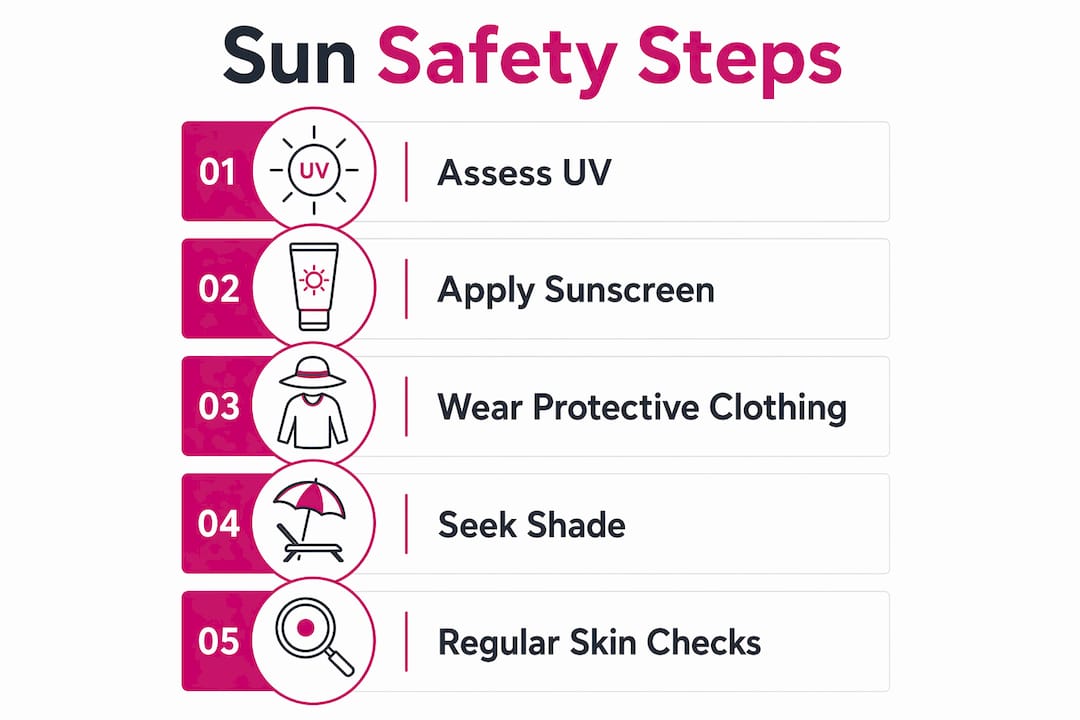
The bigger variable is not which sunscreen you buy. It is how much you use and how often you reapply. Effective protection depends on application fidelity far more than SPF number. Most people apply 25% to 50% of the recommended amount, which cuts the actual SPF protection dramatically.
Follow this application protocol for full coverage:
- Measure correctly. Use about 1 ounce of sunscreen, roughly the volume of a shot glass, to cover your entire body. Use a nickel-sized amount for your face alone.
- Apply before exposure. Put sunscreen on 15 to 30 minutes before going outside so it bonds properly to your skin.
- Reapply every 2 hours. Set a phone timer if needed. Reapply immediately after swimming or heavy sweating, even if the label says water-resistant.
- Cover overlooked spots. Ears, the back of the neck, tops of feet, and the scalp along the part line are frequently missed.
- Choose the right formula. Mineral sunscreens containing zinc oxide or titanium dioxide sit on the skin surface and physically block UV rays. Chemical sunscreens absorb UV energy and convert it to heat. Both work. Mineral formulas are generally better tolerated on sensitive skin.
Pro Tip: For a complete sunscreen guide covering types, ingredients, and application techniques, Raodermatology’s resource breaks down exactly what to look for on the label.
Why protective clothing matters more than most people realize
Sunscreen is one layer of defense. Clothing is another, and in many situations it is the more reliable one. Sun-protective clothing carries a UPF (Ultraviolet Protection Factor) rating, which tells you how much UV radiation the fabric blocks. A UPF 50 garment allows only 1/50th of UV rays to pass through. Regular cotton T-shirts, by contrast, often provide only UPF 5 to 10 when dry, and even less when wet.

Sun-protective clothing provides more consistent UV coverage than standard fabrics, and the protection does not wash off or wear thin the way sunscreen does. Brands like Coolibar, Columbia’s Omni-Shade line, and Solumbra specialize in UPF-rated apparel designed for comfort in warm weather.
Here is what a well-equipped sun safety wardrobe looks like:
- Long-sleeved shirts and long pants in tightly woven, UPF-rated fabrics for extended outdoor time
- Wide-brimmed hats with at least a 3-inch brim to shade the face, ears, and neck. Baseball caps leave the ears and neck exposed.
- UV-blocking sunglasses that block 99% to 100% of UVA and UVB rays to protect the eyes and the delicate skin around them
- Umbrellas and shade structures as supplemental tools, particularly useful when UV Index is high and shade trees are scarce
Darker colors and tightly woven fabrics block more UV than light, loosely woven ones. If you hold a fabric up to light and can see through it clearly, UV rays will pass through it too. Staying hydrated is equally important when covering up in heat. Lightweight, moisture-wicking UPF fabrics make full coverage practical even in summer.
When are UV rays most dangerous during the day?
The timing of your outdoor activity directly affects your UV exposure dose. UV rays are most intense between 10 a.m. and 4 p.m., when the sun is highest in the sky and radiation travels through less atmosphere before reaching you. Scheduling outdoor exercise, yard work, or recreation outside this window reduces your cumulative UV dose substantially.
Practical strategies for managing sun exposure by time of day include:
- Schedule morning walks, runs, or outdoor work before 10 a.m. or after 4 p.m.
- Use covered patios, tree canopies, or shade structures when midday outdoor time is unavoidable
- Monitor the UV Index daily through the EPA’s SunWise program or weather apps and increase protection on high-index days
- Recognize that incidental exposure, such as driving, walking to your car, or sitting near windows, adds up over years even without deliberate sun time
The UV Index scale runs from 0 to 11 and above. A reading of 6 to 7 is considered high, and 8 or above is very high to extreme. On those days, even 15 minutes of unprotected midday exposure can cause damage. Treating UV protection as a daily default rather than a situational choice is the single most effective behavioral shift you can make.
Why you should avoid tanning beds entirely
Tanning beds are not a safer alternative to sun exposure. They are a concentrated UV delivery system with no therapeutic benefit for healthy skin. Indoor tanning increases the risk of melanoma, squamous cell carcinoma, and basal cell carcinoma, and it also raises the risk of cataracts and eye cancers. The CDC reports that indoor tanning leads to more than 3,000 emergency room visits annually from burns and accidents alone. That figure does not include the long-term cancer burden.
The appeal of a “base tan” before vacation is one of the most dangerous myths in skin care. A base tan from any UV source is skin damage, not preparation.
“No amount of UV exposure from tanning beds is considered safe. The risk of melanoma increases with every tanning session, particularly for people who start before age 35.”
If you want a tan appearance without the risk, sunless tanners containing dihydroxyacetone (DHA) are the medically accepted alternative. Brands like St. Tropez, Bondi Sands, and Jergens Natural Glow produce realistic color without UV exposure. One important note: sunless tanners do not provide SPF protection. You still need sunscreen on top of any self-tanner when going outside.
How skin self-exams and professional check-ups reduce your risk
Monitoring your skin is not the same as preventing UV damage, but it is a critical part of reducing the harm that UV exposure causes over time. Early detection improves treatment outcomes significantly, and monthly self-exams are the most accessible tool available to you.
Use the ABCDE method to evaluate any mole or spot:
- Asymmetry: One half does not match the other
- Border: Edges are irregular, ragged, or blurred
- Color: Multiple shades of brown, black, red, or white within one spot
- Diameter: Larger than 6 millimeters, roughly the size of a pencil eraser
- Evolving: Any change in size, shape, color, or new symptoms like bleeding or itching
Personal risk factors including fair skin, a history of sunburns, previous skin cancer, or a family history of melanoma all indicate a need for more frequent professional screening. For average-risk adults, an annual full-body skin exam with a board-certified dermatologist is the standard recommendation. Higher-risk individuals may need checks every 3 to 6 months.
The role of a dermatologist extends beyond diagnosis. A dermatologist can map your existing moles, identify atypical lesions before they progress, and create a personalized prevention plan based on your skin type and history. For high-risk patients, the American Academy of Family Physicians notes that oral nicotinamide may reduce new nonmelanoma skin cancers as a chemoprevention option, though it requires medical supervision.
Key takeaways
Preventing skin cancer requires a layered, year-round approach combining sunscreen, protective clothing, UV avoidance during peak hours, and regular skin monitoring.
| Point | Details |
|---|---|
| Sunscreen application fidelity | Apply 1 ounce for full body coverage and reapply every 2 hours for real protection. |
| Layered UV protection | Combine sunscreen, UPF-rated clothing, and shade since no single method eliminates risk. |
| Avoid tanning beds completely | Indoor tanning raises melanoma risk with no safe threshold, regardless of session length. |
| Manage peak UV hours | Limit direct sun exposure between 10 a.m. and 4 p.m. when UV intensity is highest. |
| Monthly self-exams matter | Use the ABCDE method monthly and see a dermatologist annually to catch changes early. |
What I’ve learned from years of watching people underestimate UV risk
Most people treat sun protection like a beach-day ritual. They grab sunscreen on the way to the shore and forget about it the rest of the year. That mindset is exactly where the damage accumulates. The patients who develop skin cancer are not always the ones who spent every summer at the pool. They are often the ones who drove to work every day without thinking about the UV coming through the driver’s side window, or who skipped sunscreen on overcast November days because it “didn’t feel sunny.”
The layered approach that Harvard Health recommends is not overcautious. It reflects the reality that each individual measure has gaps. Sunscreen wears off. Hats leave ears exposed. Shade has angles. Using all three together closes those gaps in ways that one method alone cannot.
The other thing worth saying plainly: your personal risk profile changes the calculus. Fair skin, red or blonde hair, a history of blistering sunburns before age 18, or a first-degree relative with melanoma all mean you need to be more aggressive about protection and more consistent about screening. Knowing your skin cancer risk factors is not alarmist. It is how you make informed decisions about how much protection you actually need.
Prevention is not a summer project. It is a daily default that compounds over decades into a meaningfully lower risk.
— Krunal
How Raodermatology helps you protect your skin for life
Raodermatology brings 25 years of clinical expertise in skin cancer prevention, detection, and treatment across locations in California, New Jersey, and New York. Whether you need a baseline full-body skin exam, a personalized sun safety plan, or evaluation of a suspicious spot, the practice’s board-certified dermatologists provide care tailored to your skin type, history, and risk profile.

Dr. Babar K. Rao and the Raodermatology team specialize in both medical and cosmetic dermatology, meaning your skin health and appearance are addressed together. If you are ready to move from general awareness to a concrete prevention plan, explore Raodermatology’s skin cancer prevention services to schedule your consultation and take the first step toward lifelong skin protection.
FAQ
What is the most effective way to prevent skin cancer?
The most effective approach combines broad-spectrum SPF 30 or higher sunscreen applied correctly, UPF-rated protective clothing, and avoiding direct sun exposure between 10 a.m. and 4 p.m. No single measure provides complete protection on its own.
How often should I reapply sunscreen?
Reapply sunscreen every 2 hours during outdoor activity, and immediately after swimming or heavy sweating. Most people apply far less than the recommended 1-ounce full-body amount, which reduces actual protection significantly.
Are tanning beds safer than sun exposure?
Tanning beds are not safer than sun exposure. Indoor tanning increases melanoma risk and causes more than 3,000 emergency visits annually from burns alone. Sunless tanners with DHA are the only risk-free alternative for achieving a tan appearance.
Who needs more frequent skin cancer screenings?
People with fair skin, a personal or family history of skin cancer, a history of blistering sunburns, or multiple atypical moles need more frequent professional skin exams, potentially every 3 to 6 months rather than annually.
Does sunscreen prevent skin aging as well as skin cancer?
Yes. UVA rays are the primary driver of premature skin aging, including wrinkles, dark spots, and loss of elasticity. Broad-spectrum sunscreen that blocks UVA rays protects against both skin cancer and UV-induced skin aging simultaneously.
Recommended
- Annual Skin Cancer Screening: Your Complete Guide to Dermatology Checkups | Rao Dermatology
- Know your skin cancer risk factors and stay protected | Rao Dermatology
- Skin cancer screening: early detection and prevention | Rao Dermatology
- Types of skin cancer: Risks, signs, and prevention explained | Rao Dermatology
Filed under: