
Discover what is hair loss, its causes, types, and effective treatments. Gain insights to better manage your scalp health today!
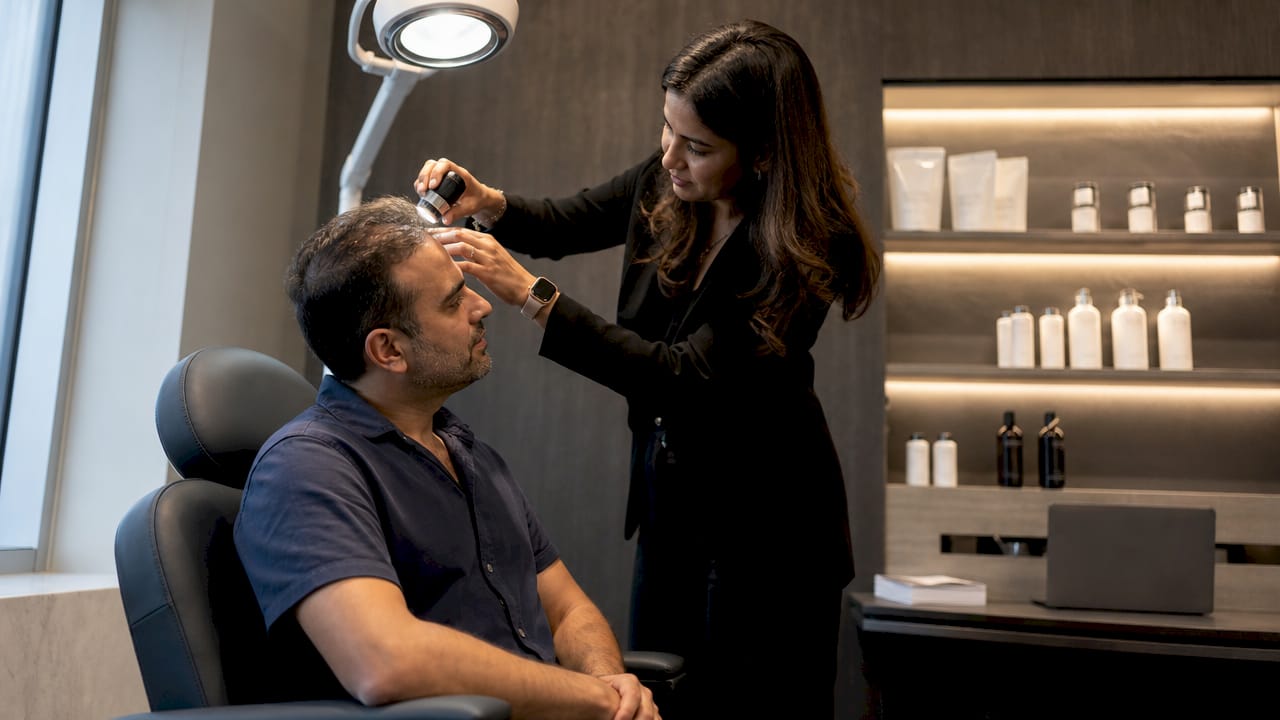
Hair loss, medically known as alopecia, is the excessive shedding or thinning of hair beyond the scalp’s normal daily cycle. Losing around 100 hairs daily is normal. When shedding exceeds that threshold, or when visible thinning appears, it signals a condition that needs attention. Understanding what is hair loss, why it happens, and what treatments exist gives you a real foundation for making informed decisions about your scalp health.
What are the common types and causes of hair loss?
Hair loss divides into several distinct categories, each with a different cause, pattern, and outlook. Identifying the right type is the first step toward effective treatment.
Androgenetic alopecia is the most common form, affecting both men and women. Hair follicles shrink progressively in this condition, producing finer strands until growth stops entirely. In men, it follows a receding hairline and crown thinning pattern. In women, it typically shows as a widening part with diffuse thinning across the top of the scalp.
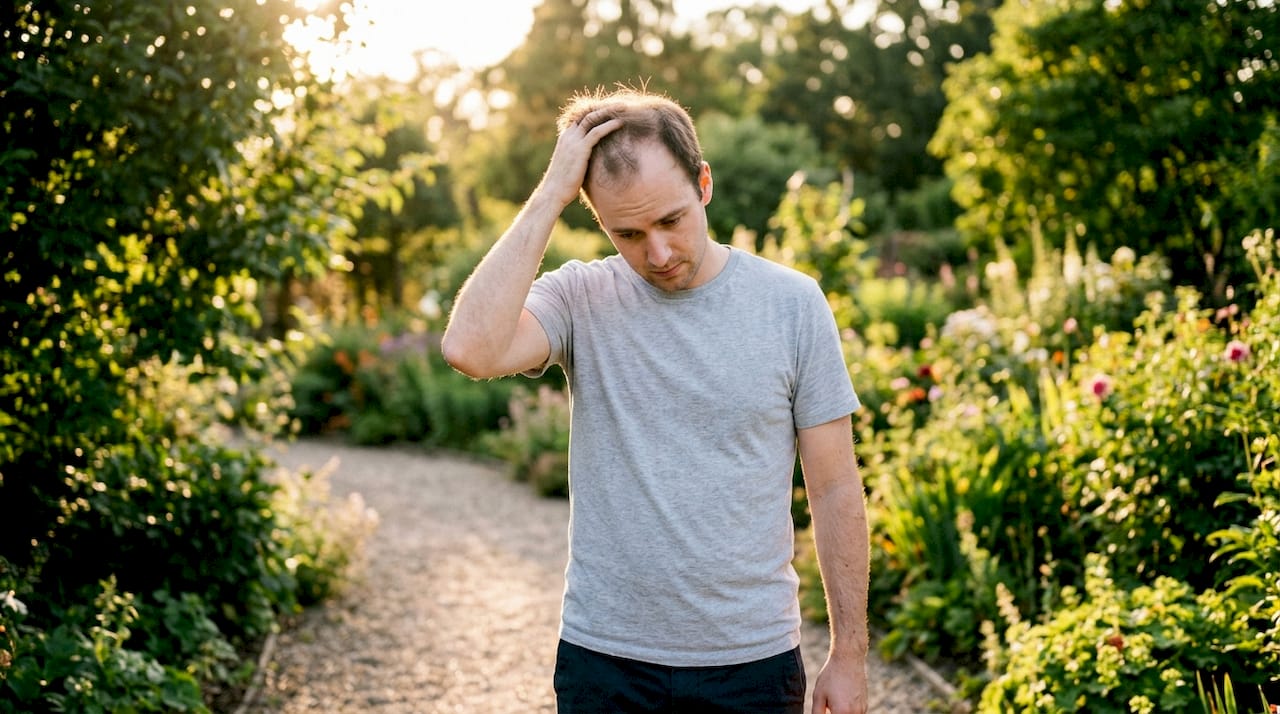
Alopecia areata is an autoimmune condition where the immune system attacks hair follicles. It produces round or oval bald patches that can appear suddenly anywhere on the scalp or body. Alopecia areata affects about 2% of the population. That figure makes it one of the more common autoimmune conditions, yet it remains widely misunderstood.
Telogen effluvium is a temporary form of shedding triggered by physical or emotional stress. Recent illness, childbirth, surgery, or nutritional deficiencies can push large numbers of follicles into a resting phase simultaneously. The result is diffuse shedding that typically begins two to three months after the triggering event. The good news is that telogen effluvium usually resolves once the underlying cause is addressed.
Two less common but serious types deserve mention:
- Scarring alopecias destroy follicles permanently through inflammation, leaving scar tissue where hair once grew. Conditions like lichen planopilaris and frontal fibrosing alopecia fall into this group.
- Traction alopecia results from repeated mechanical tension on the hair, often from tight braids, ponytails, or extensions. Caught early, it is reversible. Left untreated, it can cause permanent follicle damage.
| Type | Primary cause | Pattern | Reversible? |
|---|---|---|---|
| Androgenetic alopecia | Genetics, hormones | Receding hairline, crown thinning | Partially, with treatment |
| Alopecia areata | Autoimmune | Patchy, round bald spots | Often yes, unpredictably |
| Telogen effluvium | Stress, illness, nutrition | Diffuse shedding | Yes, once cause resolves |
| Scarring alopecia | Inflammation | Irregular, permanent patches | No |
| Traction alopecia | Mechanical tension | Hairline recession | Yes, if caught early |
How is hair loss diagnosed by healthcare professionals?
A correct diagnosis determines everything that follows. Treating androgenetic alopecia the same way as alopecia areata produces poor results for both conditions.
Proper diagnosis includes a detailed medical history, a physical scalp examination, and sometimes advanced tools. A dermatologist will ask about the timeline of shedding, recent stressors, medications, and family history. That information alone narrows the differential significantly. Pattern, speed of onset, and the presence or absence of scalp symptoms like itching or scaling each point toward different diagnoses.
Dermoscopy is a non-invasive technique that magnifies the scalp surface to reveal follicle structure, miniaturization patterns, and signs of inflammation invisible to the naked eye. Blood tests check for thyroid dysfunction, iron deficiency, and hormonal imbalances, all of which can drive or worsen shedding. In some cases, a scalp biopsy provides the definitive answer when clinical findings are ambiguous.
Key signs that warrant a dermatologist visit:
- Shedding that fills a brush or drain noticeably more than usual
- Visible scalp through the hair in areas where it was not visible before
- Patchy bald spots appearing suddenly
- Scalp pain, burning, or itching accompanying hair loss
- A family history of significant hair thinning before age 40
Pro Tip: Early diagnosis consistently produces better treatment outcomes. Follicles that are miniaturized but still active can often be stabilized. Follicles that have been dormant for years are far harder to revive.
What are the treatment options for hair loss?
Hair loss treatment is not a single solution. It is a spectrum of medical and procedural options matched to the specific type and stage of loss.
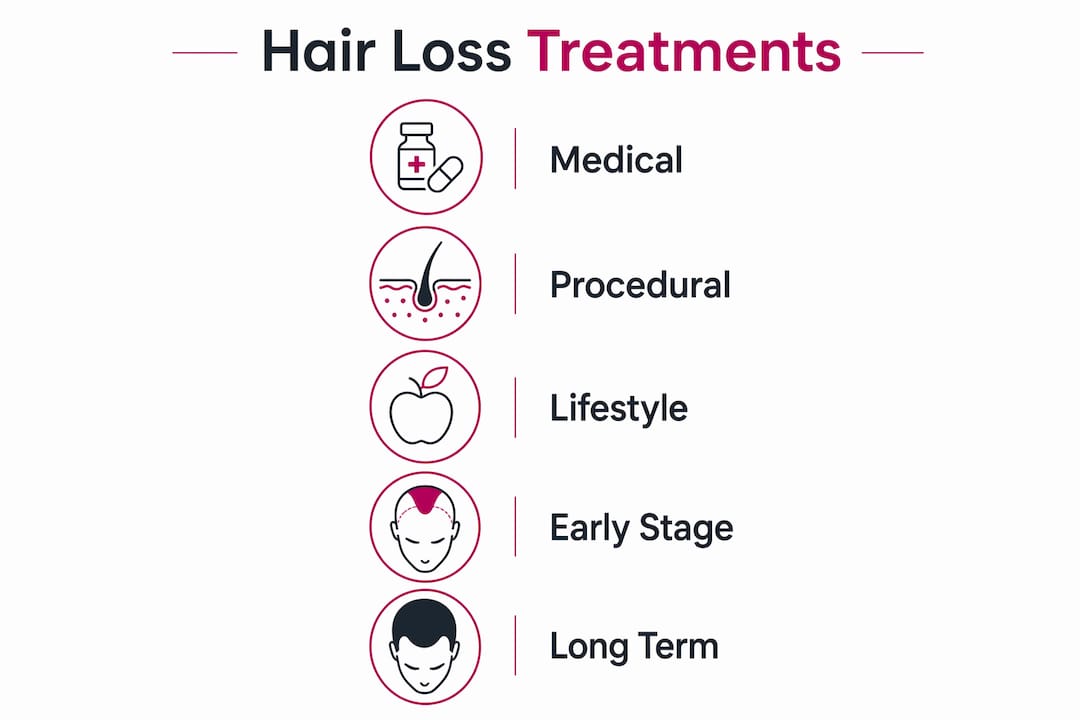
Hair loss treatments are most effective for early-stage thinning and require long-term commitment. That point matters more than most patients realize. The goal of most treatments is to preserve the hair you have, not to fully restore what is already gone.
Medical treatments
Topical minoxidil is the most widely used first-line treatment. Applied directly to the scalp, it prolongs the growth phase of follicles and increases blood flow to the area. Oral finasteride works by blocking the hormone dihydrotestosterone (DHT), which drives follicle miniaturization in androgenetic alopecia. Spironolactone serves a similar purpose for women by reducing androgen activity. These medications require continuous use. Stopping treatment prematurely typically reverses any gains within months.
Procedural treatments
- Platelet-rich plasma (PRP) therapy involves injecting concentrated growth factors from your own blood into the scalp to stimulate follicle activity. Learn more about PRP for hair loss and what realistic outcomes look like.
- Microneedling creates controlled micro-injuries in the scalp that trigger a healing response and may enhance the absorption of topical treatments.
- Red light therapy uses low-level laser energy to stimulate cellular activity in follicles, often used as a complement to other treatments.
- Hair transplantation redistributes donor follicles from stable areas to thinning zones. Hair transplantation does not stop underlying hair loss, so patients must continue medical treatment after surgery to protect non-transplanted follicles.
Visible improvement from hair loss treatments typically takes several months of consistent use. Patients who stop after six weeks because they see no change are abandoning treatment right before results would have appeared.
Effective management often uses a multimodal approach: medications combined with procedures after addressing any underlying causes. A board-certified dermatologist builds that combination based on your specific diagnosis, not a generic protocol.
Pro Tip: Before starting any hair loss treatment, consult a board-certified dermatologist. Over-the-counter products marketed for hair growth vary widely in evidence quality, and the wrong treatment for your type of loss can waste months of time.
Why does hair fall out beyond normal shedding?
Hair grows in cycles: a growth phase (anagen), a transition phase (catagen), and a resting phase (telogen) before the strand sheds. Disruptions to this cycle, from any number of causes, push more follicles into the resting phase at once or accelerate miniaturization.
The key factors that drive hair loss beyond normal shedding include:
- Genetics. Androgenetic alopecia is hereditary. If close relatives experienced significant thinning, your risk is elevated.
- Hormones. Dihydrotestosterone (DHT) binds to follicle receptors in genetically susceptible individuals, causing progressive miniaturization. Hormonal shifts during pregnancy, menopause, or thyroid dysfunction also affect the hair cycle.
- Autoimmune reactions. In alopecia areata, the immune system misidentifies follicles as foreign tissue and attacks them.
- Stress and illness. Physical trauma, high fever, surgery, and prolonged psychological stress can trigger telogen effluvium, pushing follicles into early rest.
- Medications. Chemotherapy, blood thinners, antidepressants, and certain blood pressure medications list hair loss as a known side effect.
- Nutritional deficiencies. Low iron, zinc, vitamin D, and protein intake all impair follicle function. Crash dieting is a particularly common and underrecognized trigger.
The psychological weight of hair loss is real. Research consistently links significant hair loss to reduced self-esteem, social anxiety, and depression, particularly in women. Addressing the emotional dimension alongside the physical one is part of complete care.
Key Takeaways
Hair loss is a medical condition with identifiable causes and treatable forms, and early intervention produces the best outcomes.
| Point | Details |
|---|---|
| Normal shedding has a threshold | Losing more than 100 hairs daily or seeing visible thinning signals a condition worth evaluating. |
| Type determines treatment | Androgenetic alopecia, alopecia areata, and telogen effluvium each require a different treatment approach. |
| Diagnosis comes first | Dermoscopy, blood tests, and medical history together identify the cause before treatment begins. |
| Treatments preserve, not restore | Most hair loss treatments stabilize existing hair; they work best when started early and used consistently. |
| Stopping treatment reverses gains | Discontinuing medication or procedures typically undoes progress within months. |
What I’ve learned about patience and hair loss treatment
The single biggest mistake I see patients make is quitting treatment too soon. They start minoxidil or PRP, see no dramatic change at the two-month mark, and assume it is not working. Hair biology does not move on that timeline. Follicles respond slowly, and the visible payoff from any treatment lags the biological response by weeks.
The second mistake is chasing regrowth when preservation is the realistic goal. For most people with androgenetic alopecia, stabilizing follicle miniaturization is a genuine win. Holding the line on further loss for years is a meaningful outcome. Expecting a full restoration of hair density from a decade ago sets patients up for disappointment and early dropout.
What actually works is a committed, multimodal plan built around a correct diagnosis. That means combining the right medical therapy with the right procedural support, addressing any nutritional or hormonal contributors, and staying consistent for at least six to twelve months before evaluating results. Patients who follow that path see real, measurable stabilization. Those who treat hair loss like a quick fix rarely do.
— Krunal
Raodermatology’s approach to hair loss care
Raodermatology brings over 25 years of board-certified dermatology expertise to hair loss diagnosis and treatment across New Jersey, New York, and California. The practice offers a full range of medical and procedural hair restoration options, from topical and oral medications to PRP therapy and advanced scalp treatments, tailored to each patient’s specific type and stage of loss.

Whether you are noticing early thinning or have been managing hair loss for years, a proper evaluation is where effective care begins. Explore Raodermatology’s full services to find the right path forward for your scalp health.
FAQ
What is hair loss, exactly?
Hair loss, or alopecia, is the excessive shedding or thinning of hair beyond the normal daily loss of around 100 strands. It can be temporary or permanent, localized or widespread, depending on the underlying cause.
Is hair loss reversible?
Some types of hair loss are reversible. Telogen effluvium typically resolves once the triggering cause, such as stress or illness, is addressed. Androgenetic alopecia and scarring alopecias are generally not fully reversible, though treatment can slow or stabilize progression.
What is the most effective hair loss treatment?
No single treatment works for every type of hair loss. Topical minoxidil and oral finasteride are the most evidence-backed options for androgenetic alopecia. PRP therapy and microneedling are commonly used as procedural complements. A board-certified dermatologist determines the right combination based on diagnosis.
Why does hair fall out more in some people than others?
Genetics, hormone sensitivity, autoimmune activity, stress, nutritional status, and medications all influence how much hair a person loses. Individuals with a genetic predisposition to DHT sensitivity experience follicle miniaturization that others do not.
When should I see a dermatologist about hair loss?
See a dermatologist when shedding is noticeably heavier than usual, when bald patches appear suddenly, or when the scalp shows visible thinning. Early evaluation gives treatments the best chance of preserving existing hair before follicle damage becomes permanent.
Recommended
Filed under: