
Discover essential summer skin care tips to keep your skin healthy and glowing. Prioritize sun protection and hydration for the perfect summer routine.
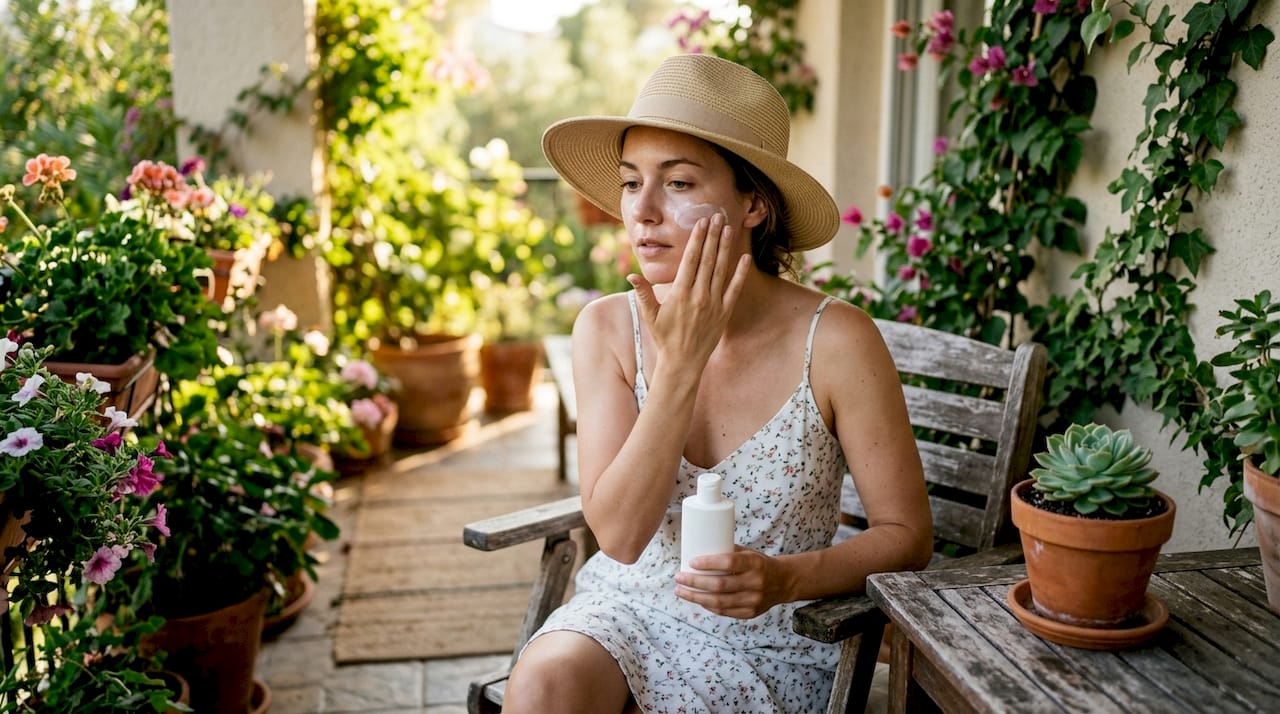
Summer skin care is the practice of adapting your routine to prioritize sun protection, hydration, and skin barrier support under hot, intense sunlight. The stakes are real: 1 in 5 Americans will develop skin cancer in their lifetime, making consistent sun protection the single most critical element of any summer skin care plan. Heat and humidity also shift how your skin behaves, calling for lighter products, smarter cleansing, and a closer look at how your current routine holds up under pressure. These summer skin care tips cover everything from SPF application to hydration for oily skin, so you can protect and maintain your skin through the hottest months.
1. What are the essential sun protection tips for summer?
Sun protection is the foundation of every effective summer skincare routine. Dermatologists recommend applying a broad-spectrum, water-resistant SPF 30 or higher sunscreen about 20 minutes before going outside, using roughly 1 ounce (about 2 tablespoons) to cover your full body. That quantity matters. Most people apply far less than needed, which means the actual protection delivered is a fraction of what the label promises.
Reapplication is just as critical as the first application. Reapply every two hours, and immediately after swimming or heavy sweating. Skipping reapplication is one of the most common mistakes people make on beach days and outdoor outings.
- Seek shade during peak UV hours. UV damage can occur in as little as 15 minutes between 10 a.m. and 3 p.m. Plan outdoor activities for early morning or late afternoon when possible.
- Choose the right sunscreen type. Mineral sunscreens (zinc oxide, titanium dioxide) sit on top of skin and reflect UV rays. Chemical sunscreens absorb UV energy and convert it. Both work when applied correctly.
- Do not rely on SPF makeup alone. SPF-infused makeup and moisturizers cannot deliver labeled protection at the thin amounts typically applied. Use a dedicated sunscreen layer underneath.
- Wear protective clothing. UPF-rated shirts, wide-brimmed hats, and UV-blocking sunglasses add a physical barrier that sunscreen alone cannot replicate.
- Check the UV index daily. Apps and weather services publish the UV index each morning. On days above 6, extra precautions are non-negotiable.
Pro Tip: Apply sunscreen to your ears, the back of your neck, and the tops of your feet. These areas are consistently missed and are among the most common sites for sun damage.
For a deeper look at skin cancer prevention, Raodermatology has published a detailed guide covering year-round sun safety strategies.
2. How to keep skin hydrated in summer without feeling greasy
Hydration does not mean heavy creams. Lightweight, non-comedogenic moisturizers containing hyaluronic acid, ceramides, or niacinamide deliver moisture without clogging pores or leaving a greasy film. This is the shift most people need to make when temperatures rise.
The order and timing of application also affects results. Here is a practical hydration routine for summer:
- Cleanse gently. Use a gentle, sulfate-free cleanser morning and night to remove sweat, sunscreen, and pollutants without stripping your skin’s natural oils.
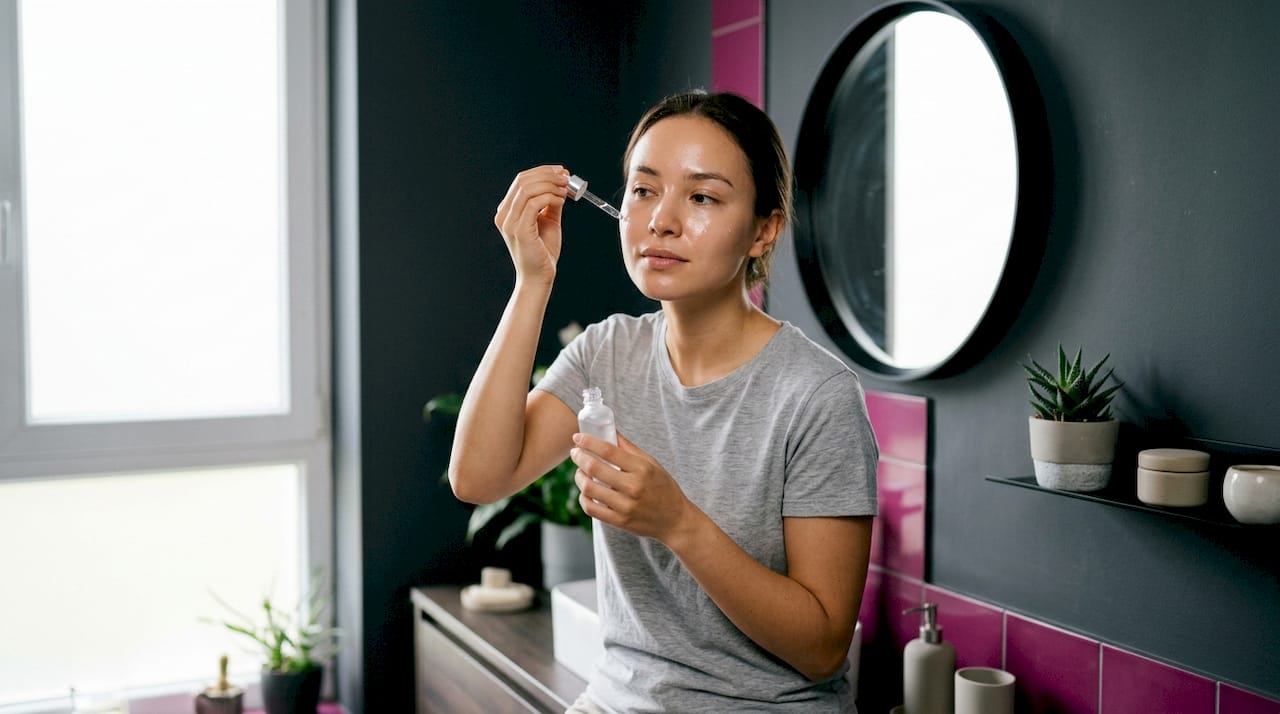
- Apply a water-based serum on damp skin. Hyaluronic acid serums work as humectants, pulling moisture into the skin. Applying them while skin is still slightly damp increases their effectiveness.
- Follow with a lightweight gel moisturizer. Gel formulas lock in the serum without the weight of a traditional cream. Look for niacinamide, which also helps control excess oil.
- Use a facial mist throughout the day. A mineral water spray refreshes skin and adds a quick hydration boost between sunscreen reapplications.
- Switch to a richer cream only at night. Nighttime is when your skin repairs itself. A slightly richer moisturizer at bedtime supports that process without the daytime shine concern.
Oily skin still needs hydration in summer. Water-based serums maintain moisture levels without triggering excess oil production. Skipping moisturizer when skin feels oily often backfires, causing the skin to overproduce sebum to compensate.
Pro Tip: Store your gel moisturizer in the refrigerator during summer. The cool temperature reduces puffiness and makes application feel more refreshing on hot days.
3. What summer adjustments help manage sensitive or reactive skin?
Sensitive skin reacts more intensely in summer because heat, sweat, and UV exposure all drive inflammation. The goal is to calm the skin barrier, not challenge it further. Fragrance-free, barrier-supportive products rich in niacinamide, ceramides, and soothing agents like centella asiatica are the right tools for this season.
- Pause actives that cause stinging or burning. If your skin reacts to acids or exfoliants in summer heat, reduce frequency or stop temporarily. Irritated skin cannot protect itself effectively.
- Do not abandon retinoids entirely. Retinoids are safe in summer when paired with consistent sunscreen use and a slightly reduced application schedule. Stopping completely can reverse progress on acne and pigmentation.
- Simplify your routine. A three-step routine of cleanser, moisturizer, and SPF often outperforms a ten-step routine when skin is reactive. Fewer products mean fewer potential irritants.
- Treat heat rash and sweat-related breakouts quickly. Rinse skin with cool water after sweating, and avoid heavy occlusive products in areas prone to redness or rash.
- Protect your skin barrier proactively. Ceramide-based moisturizers rebuild the barrier before irritation sets in. Apply them consistently, not just when skin is already flaring.
For personalized guidance on managing reactive skin, Raodermatology’s dermatologist-recommended routines offer structured advice tailored to different skin types.
4. How to cleanse and exfoliate safely in summer
Cleansing in summer requires removing sunscreen, sweat, and environmental buildup without stripping the skin. A gentle, pH-balanced cleanser used twice daily handles this without disrupting the skin barrier. Double cleansing at night (an oil-based cleanser followed by a water-based one) is especially effective for removing water-resistant sunscreen thoroughly.
Exfoliation keeps skin clear and bright, but summer demands a lighter touch. Over-exfoliation increases UV sensitivity and inflammation, which is the opposite of what you want during peak sun months.
- Exfoliate the face 1–2 times per week maximum. Chemical exfoliants like lactic acid or mandelic acid are gentler than physical scrubs and better suited for summer use.
- Exfoliate the body 1–3 times per week. Body skin is thicker and tolerates more frequent exfoliation, but avoid freshly sun-exposed or sunburned skin.
- Add vitamin C in the morning. Vitamin C is an antioxidant that brightens skin and neutralizes free radicals from UV exposure. It pairs well with SPF and supports an even skin tone.
- Consider tranexamic acid for pigmentation. Tranexamic acid addresses dark spots and uneven tone without the irritation risk of stronger brightening agents like hydroquinone.
- Always cleanse before bed. Sleeping in sunscreen and sweat clogs pores and accelerates breakouts. A thorough evening cleanse is non-negotiable in summer.
Pro Tip: If you use a vitamin C serum, store it away from direct sunlight and heat. Oxidized vitamin C (it turns orange or brown) loses its effectiveness and can cause skin discoloration.
5. Sun safety tips for outdoor summer activities
Outdoor activities create gaps in your sun protection routine. Carrying a travel-size sunscreen and setting a phone reminder to reapply every two hours closes those gaps without disrupting your day.
- Reapply sunscreen after water exposure. Even water-resistant formulas need reapplication after 40–80 minutes in water. Towel drying removes sunscreen along with the water.
- Wear UPF clothing for extended outdoor time. UPF 50+ fabric blocks over 98% of UV radiation. For hiking, beach days, or outdoor sports, UPF shirts outperform sunscreen alone.
- Avoid UV tanning beds entirely. Tanning beds emit concentrated UV radiation and carry a documented risk of melanoma. There is no safe level of tanning bed use.
- Treat sunburns correctly. Cool compresses, aloe vera gel, and a gentle fragrance-free moisturizer soothe sunburned skin. Avoid petroleum-based products on fresh burns, as they trap heat.
- Hydrate from the inside. Drinking adequate water throughout outdoor activities supports skin hydration from within. Dehydration shows up on skin as dullness and increased sensitivity.
- Use sunglasses with UV400 protection. UV exposure damages the delicate skin around the eyes and increases the risk of cataracts. UV400-rated lenses block both UVA and UVB rays.
Social media misinformation about sun exposure continues to undermine safe habits. Trusting board-certified dermatologists over trending online advice is one of the most protective decisions you can make. Raodermatology’s guide on common skin cancer myths addresses the most widespread misconceptions circulating in 2026.
For those dealing with heat-related skin sensitivity, natural skin-calming approaches can complement your routine during the hottest months.
Key Takeaways
Consistent sun protection, targeted hydration, and a simplified routine are the three pillars that keep skin healthy and resilient through the summer months.
| Point | Details |
|---|---|
| SPF 30+ is the minimum | Apply 1 oz of broad-spectrum sunscreen 20 minutes before sun exposure and reapply every 2 hours. |
| Lightweight hydration beats heavy creams | Use water-based serums with hyaluronic acid or niacinamide to moisturize without greasiness. |
| Sensitive skin needs fewer actives | Pause irritating actives in heat, but maintain retinoids at reduced frequency with consistent SPF. |
| Peak UV hours carry the highest risk | UV damage can occur in 15 minutes between 10 a.m. and 3 p.m.; seek shade or protective clothing. |
| Cleanse thoroughly every night | Removing sunscreen and sweat before bed prevents clogged pores and summer breakouts. |
What I’ve learned from watching patients skip the basics
The most consistent pattern I see is this: people overhaul their entire skincare routine at the start of summer, introduce five new products at once, and then wonder why their skin is reacting. The answer is almost always that they changed too much, too fast.
The better approach is subtraction, not addition. Drop the heavy night cream. Swap the rich serum for a gel. Keep your retinoid but use it twice a week instead of five. Add SPF and mean it, which means the right amount, every morning, with reapplication built into your day.
The other thing I want to address directly: the idea that sun exposure is harmless or even beneficial in moderate amounts is one of the most dangerous myths circulating right now. UV damage is cumulative. Every unprotected hour adds to a lifetime total that your skin cannot undo. The people who look the youngest at 60 are almost always the ones who took sun protection seriously at 30.
Summer skin care does not require a complicated routine. It requires a consistent one. Sunscreen, hydration, gentle cleansing, and a willingness to simplify when your skin tells you to. That combination works for almost every skin type, every summer.
— Krunal
Raodermatology’s approach to summer skin health
Protecting your skin in summer goes beyond the products you use at home. Raodermatology, with 25+ years of experience across California, New Jersey, and New York, offers personalized consultations that connect your specific skin concerns to the right clinical solutions.

Whether you are managing sun damage, reactive skin, or want a professional assessment of your summer routine, Raodermatology’s team of board-certified dermatologists and licensed estheticians can help. Their skin cancer prevention and treatment services address UV-related damage at every stage, from early detection to treatment. For patients interested in cosmetic improvements alongside medical care, esthetic services are available at multiple locations. Schedule a consultation to get a summer skin plan built around your skin, not a generic routine.
FAQ
What SPF should I use in summer?
Use a broad-spectrum, water-resistant sunscreen with SPF 30 or higher. Apply approximately 1 ounce for full-body coverage and reapply every two hours or after swimming.
Can I use retinoids during summer?
Yes. Retinoids are safe in summer when used with consistent sunscreen and at a reduced frequency. Stopping completely can reverse progress on acne and pigmentation management.
How do I hydrate oily skin in summer without shine?
Use a water-based hyaluronic acid serum applied to damp skin, followed by a lightweight gel moisturizer. Skipping moisturizer worsens oil production rather than reducing it.
What time of day is UV exposure most dangerous?
UV intensity peaks between 10 a.m. and 3 p.m. Skin damage can occur in as little as 15 minutes without protection during these hours.
How often should I exfoliate in summer?
Exfoliate the face 1–2 times per week using a gentle chemical exfoliant. Over-exfoliation increases UV sensitivity and inflammation, which is especially problematic during summer months.
Recommended
- National Healthy Skin Month: Essential Dermatologist-Approved Tips for Year-Round Skin Health | Rao Dermatology
- Skin Health Improvement Tips That Actually Work | Rao Dermatology
- Essential Vitamins for Healthy, Glowing Skin: A Dermatologist’s Guide | Rao Dermatology
- Holiday Skin Care Tips: Protecting Your Skin During Winter Celebrations | Rao Dermatology
Filed under: