
Learn what a skin biopsy is, its procedures, and types. Discover how this essential diagnostic tool can help identify skin conditions.
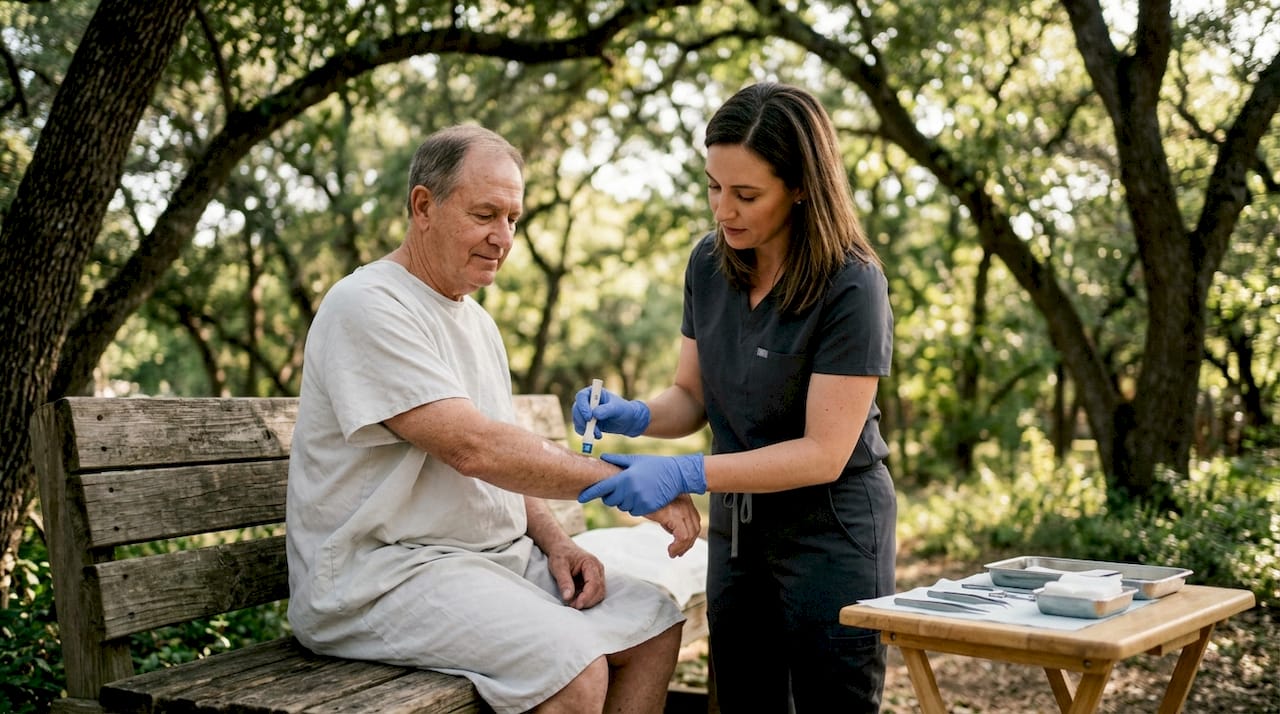
A skin biopsy is defined as a medical procedure in which a doctor removes a small sample of skin tissue to examine it under a microscope for diagnosis. The procedure is the gold standard for confirming or ruling out conditions ranging from skin cancer to inflammatory diseases like psoriasis. Dermatologists, family physicians, and surgeons all perform skin biopsies, typically in an office setting under local anesthesia. Several distinct techniques exist, each chosen based on the suspected diagnosis, the depth of tissue required, and the location of the lesion on your body.
What is a skin biopsy and what types are used?
A skin biopsy procedure falls into four main categories: shave, punch, excisional, and incisional. Each technique collects tissue differently, and the choice of technique depends on the suspected diagnosis and the depth of sample needed.
Shave biopsy
A shave biopsy uses a thin blade to remove the top layers of skin without cutting into the deeper dermis. It works well for raised lesions, skin tags, and superficial growths. The wound heals on its own without stitches, making it the least invasive option. However, superficial shave biopsies may miss deeper aggressive features, so this method is not appropriate when melanoma is suspected.
Punch biopsy
A punch biopsy uses a circular cutting tool, typically 2 to 6 millimeters in diameter, to remove a cylindrical core of skin that includes the epidermis, dermis, and sometimes subcutaneous fat. This technique suits inflammatory conditions, rashes, and infections where full skin depth is needed for accurate diagnosis. A punch biopsy usually requires one or two stitches to close the wound.
Excisional and incisional biopsies
An excisional biopsy removes the entire lesion along with a margin of surrounding normal skin. This is the preferred method when melanoma is suspected, because complete removal allows the pathologist to assess the full depth and margins of the tumor. An incisional biopsy removes only a portion of a large lesion when full removal is not practical. Both techniques require sutures and leave a small scar.
| Biopsy type | Best used for | Stitches needed | Typical healing time |
|---|---|---|---|
| Shave | Raised, superficial lesions | No | 1 to 2 weeks |
| Punch | Rashes, infections, deeper lesions | Usually 1 to 2 | 2 to 3 weeks |
| Excisional | Suspected melanoma, full lesion removal | Yes | 2 to 4 weeks |
| Incisional | Large lesions requiring partial sampling | Yes | 2 to 4 weeks |
Pro Tip: Before your appointment, ask your dermatologist which biopsy method they plan to use and why. Knowing the technique helps you prepare for the wound size, stitches, and recovery time specific to your situation.
Why and when does a doctor recommend a skin biopsy?
A doctor recommends a skin biopsy when a lesion or skin change cannot be diagnosed by visual examination alone. The procedure confirms or rules out conditions that carry serious health consequences if left untreated.
The most common reasons a biopsy is ordered include:
- Suspected skin cancer. Any mole, growth, or lesion with irregular borders, color variation, or rapid change warrants tissue analysis. You can learn more about how dermatologists approach this in the skin cancer detection process.
- Inflammatory skin diseases. Conditions like psoriasis, lichen planus, and lupus erythematosus often look similar on the surface. A biopsy distinguishes between them at the cellular level.
- Infections. Fungal, bacterial, and viral infections that do not respond to standard treatment may require tissue confirmation before a targeted therapy is prescribed.
- Systemic diseases with skin signs. Conditions such as sarcoidosis, vasculitis, and amyloidosis can manifest in the skin. A biopsy of a skin lesion can provide a diagnosis without requiring a more invasive internal biopsy.
- Unexplained lesions. Any growth that persists, bleeds, or changes without a clear cause justifies tissue sampling.
A critical but often overlooked point: a biopsy can also be curative for some early-stage skin cancers by removing the entire suspicious lesion in one step. This means the procedure is not always purely diagnostic. In some cases, the removal itself constitutes treatment.
What to expect during and after a skin biopsy
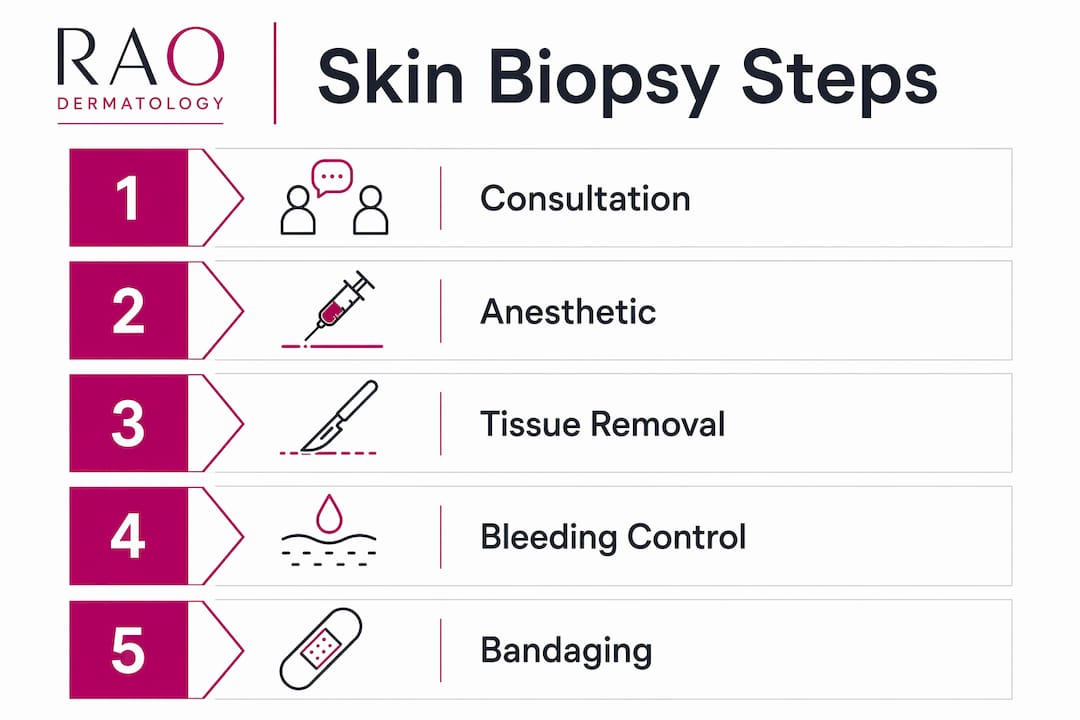
The skin biopsy procedure follows a predictable sequence that most patients complete in under 30 minutes at a dermatology office. Understanding each step reduces anxiety and helps you prepare practically.
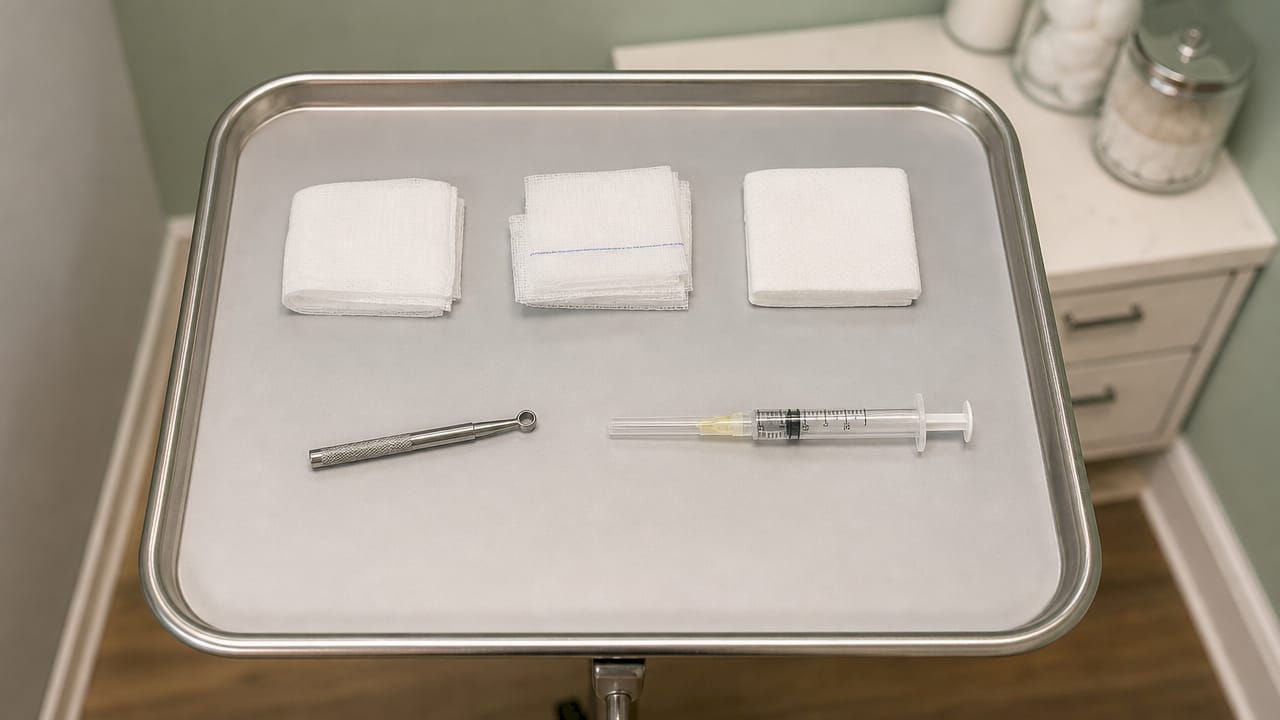
Your doctor first cleans the skin and injects a local anesthetic into the biopsy site. The local anesthesia injection is often the most uncomfortable part of the entire procedure, producing a brief sting followed by numbness. Once the area is numb, you feel pressure but no pain during the actual tissue removal. The biopsy itself takes only a few minutes.
After the tissue is removed, the doctor controls bleeding, closes the wound if needed, and applies a bandage. You leave the office the same day with written care instructions.
Post-procedure care and healing
Wound care after a skin biopsy directly affects how well and how quickly you heal. Keeping the site clean and moist with petroleum jelly or a similar ointment reduces scab formation and lowers the risk of scarring. Stitches are typically removed 3 to 14 days after the procedure, depending on the biopsy location and closure type. Facial wounds heal faster and have sutures removed sooner than wounds on the back or legs.
Healing times vary by technique: shave biopsies close within one to two weeks, while punch and excisional biopsies may take two to four weeks due to greater depth and the presence of sutures. Avoid submerging the wound in water, picking at the site, or applying makeup until your doctor clears you.
| Biopsy type | Suture removal | Full healing | Key care step |
|---|---|---|---|
| Shave | Not required | 1 to 2 weeks | Keep moist, avoid picking |
| Punch | 7 to 10 days | 2 to 3 weeks | Gentle cleaning, petroleum jelly |
| Excisional | 10 to 14 days | 3 to 4 weeks | Protect from sun, monitor for infection |
| Incisional | 10 to 14 days | 3 to 4 weeks | Limit movement near site |
Pro Tip: Apply a thin layer of petroleum jelly and a non-stick bandage daily until the wound closes. This single habit cuts healing time and minimizes the appearance of the final scar.
How are skin biopsy results analyzed and what do they mean?
After the tissue sample is collected, it goes to a pathology laboratory where a pathologist examines it under a microscope. This analysis, known as dermatopathology, identifies cellular changes that confirm a diagnosis. The pathologist looks at cell structure, tissue architecture, and the presence of abnormal or inflammatory cells.
Biopsy results are typically available within 4 to 10 days, though complex cases requiring special stains or additional testing may take longer. This timeframe means you should expect a follow-up call or appointment within two weeks of your procedure.
What the results mean for your care depends on the findings:
- Benign diagnosis. If the tissue is non-cancerous, your doctor may recommend monitoring, a topical treatment, or no further action.
- Inflammatory or infectious diagnosis. The pathology report guides the specific medication or therapy needed, whether that is an antifungal, a steroid, or an immunosuppressant.
- Malignant diagnosis. A cancer finding triggers a treatment plan that may include additional surgery, Mohs micrographic surgery, radiation, or systemic therapy depending on cancer type and stage.
- Inconclusive results. Some samples require a repeat biopsy or a different technique to reach a definitive answer.
One factor that significantly affects result accuracy is the clinical information your doctor sends with the sample. Detailed clinical context, including lesion history, suspected diagnosis, and biopsy site, is as important to the pathologist as the tissue itself. A pathologist interpreting a sample labeled only as “skin lesion” works with far less precision than one who receives a full clinical picture.
Key takeaways
A skin biopsy is the definitive method for diagnosing skin cancer, inflammatory conditions, and infections when visual examination alone is insufficient.
| Point | Details |
|---|---|
| Four main biopsy types | Shave, punch, excisional, and incisional biopsies each suit different lesion types and depths. |
| Biopsy can treat and diagnose | Excisional biopsy removes the entire lesion, making it both diagnostic and potentially curative for early skin cancers. |
| Anesthesia makes it painless | The injection sting is brief; the procedure itself causes no pain once the site is numb. |
| Results arrive in 4 to 10 days | Standard pathology reports are ready within two weeks; complex cases may require additional testing. |
| Clinical context improves accuracy | Providing your dermatologist with full lesion history directly improves the pathologist’s diagnostic precision. |
What I have learned from watching patients go through this
The single biggest source of patient stress around skin biopsies is not the procedure itself. It is the uncertainty before and after. Patients spend days worrying about pain that lasts about 10 seconds, and then spend another week anxious about results they do not fully understand when they arrive.
My perspective, after working closely with dermatology practices for years, is that preparation and communication solve most of this. Patients who ask their doctor which biopsy type will be used, why that technique was chosen, and what the results might indicate walk out of the office calmer and more cooperative. That cooperation matters. A patient who understands the procedure holds still, follows wound care instructions, and calls the office when something looks wrong rather than waiting too long.
The other thing I have seen overlooked repeatedly: patients rarely think to tell their doctor the full history of a lesion. When did it appear? Has it changed? Does it itch or bleed? That information travels with the sample to the pathologist and shapes the entire interpretation. Sharing it is not optional. It is part of the diagnostic process.
Do not treat a skin biopsy as something that happens to you. Treat it as a collaboration between you, your dermatologist, and the pathologist reading your results.
— Krunal
Skin biopsy care and diagnosis at Raodermatology

Raodermatology, founded by Dr. Babar K. Rao, has delivered expert skin biopsy procedures and pathology-driven diagnoses across California, New Jersey, and New York for over 25 years. The practice covers the full diagnostic pathway, from the initial biopsy to skin cancer treatment and follow-up care, with in-house dermatopathology expertise that connects tissue analysis directly to your treatment plan. If you have a suspicious lesion, an unexplained rash, or a skin change that concerns you, the team at Raodermatology provides the clinical precision and personalized attention your skin deserves. Explore the full range of dermatology services available at Raodermatology to take the next step toward a clear diagnosis.
FAQ
What is a skin biopsy used to diagnose?
A skin biopsy diagnoses skin cancer, inflammatory conditions like psoriasis and lupus, fungal or bacterial infections, and systemic diseases that show signs in the skin. The tissue sample is examined under a microscope by a pathologist to identify the specific condition.
How long does a skin biopsy procedure take?
Most skin biopsy procedures are completed in under 30 minutes in a dermatologist’s office. The actual tissue removal takes only a few minutes once local anesthesia has numbed the site.
Is a skin biopsy painful?
The local anesthesia injection produces a brief sting, but the rest of the procedure is typically painless. Most patients report feeling only mild pressure after the anesthetic takes effect.
How long does skin biopsy healing take?
Shave biopsies heal in one to two weeks, while punch and excisional biopsies take two to four weeks depending on depth and location. Keeping the wound clean and moist with petroleum jelly speeds recovery and reduces scarring.
When should I follow up after a skin biopsy?
Plan for a follow-up appointment or call within two weeks of your biopsy, since results are typically ready within 4 to 10 days. Your doctor will review findings with you and outline any next steps based on the pathology report.
Recommended
Filed under: