
Discover essential skin cancer prevention tips to protect your skin year-round. Learn effective sun safety habits for lasting health.
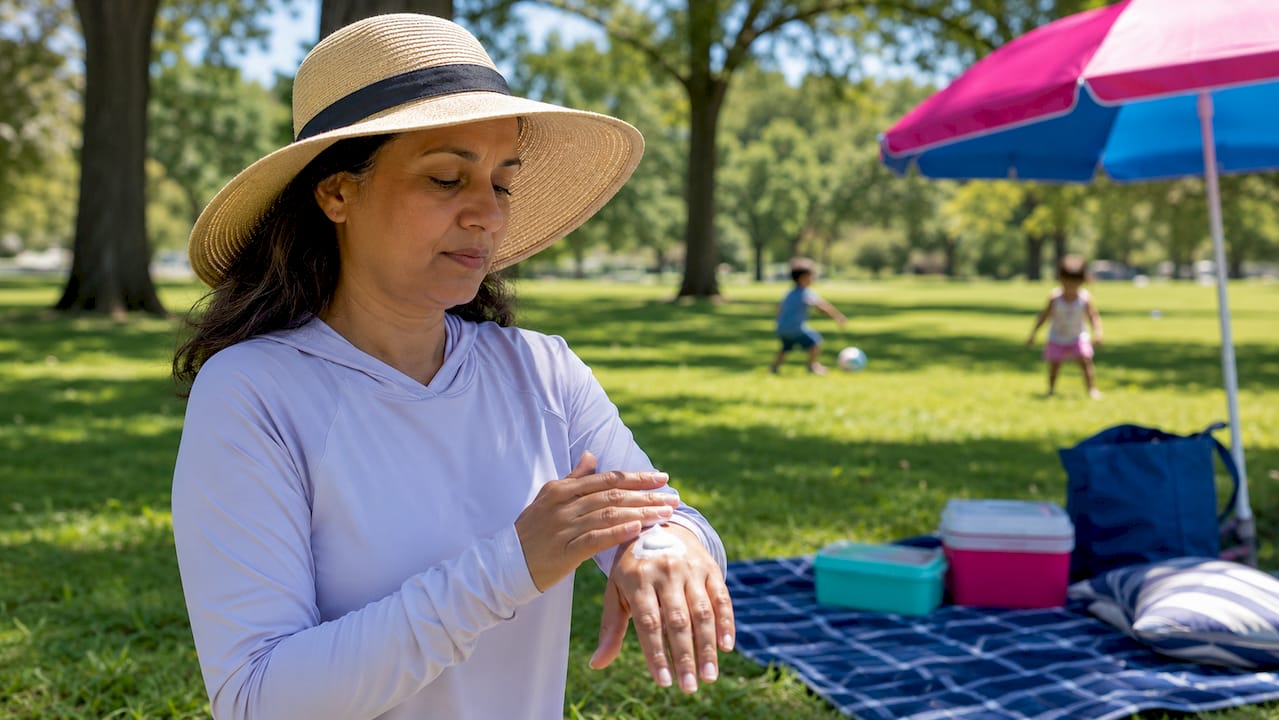
Skin cancer prevention means reducing ultraviolet (UV) radiation exposure through consistent, layered sun safety habits that protect your skin every day of the year. UV rays damage skin cells and accumulate silently over decades, making prevention far more effective than treatment. The most reliable skin cancer prevention tips center on three actions: avoiding peak UV hours, wearing physical barriers like UPF clothing and wide-brim hats, and applying broad-spectrum sunscreen SPF 30 or higher. Raodermatology, with 25+ years of dermatology experience across California, New Jersey, and New York, sees firsthand how these habits reduce risk when practiced consistently.
1. What are the most effective sun protection practices?
The CDC recommends a three-layer approach to UV protection: behavioral avoidance, physical barriers, and chemical sunscreen. No single layer is enough on its own. Combining all three gives you the strongest defense against UV-related skin damage.
Behavioral avoidance means staying out of direct sun during peak UV hours:
- UV rays are strongest from approximately 10 a.m. to 4 p.m. Avoid prolonged outdoor exposure during this window whenever possible.
- Check the UV Index before heading outside. Protection is needed when the UV Index reaches 3 or higher.
- Seek shade under trees, umbrellas, or covered structures when outdoors during peak hours.
Physical barriers block UV before it reaches your skin:
- UPF clothing covering arms and legs provides consistent protection that sunscreen alone cannot match. Wet fabrics offer less protection, so factor that in at the pool or beach.
- Wide-brim hats protect the face, ears, and neck, which are among the most sun-exposed areas on the body.
- Wrap-around sunglasses blocking UVA and UVB protect both your eyes and the delicate skin around them, reducing cataract risk as well.
Pro Tip: Year-round protection is not optional. UV radiation reflects off water, sand, and snow, meaning a winter ski trip or a cloudy beach day carries real UV risk. Treat sun protection as a daily habit, not a seasonal one.
2. How to apply sunscreen correctly for maximum protection
Broad-spectrum sunscreen is the chemical layer of your three-part defense. Broad-spectrum formulas protect against both UVA and UVB rays. UVB causes sunburn, but UVA penetrates deeper, contributing to premature aging and long-term cellular damage. SPF alone does not tell you whether a sunscreen blocks UVA, which is why “broad-spectrum” on the label matters.
Follow these steps for correct application:
- Choose SPF 30 or higher. Water-resistant formulas are preferred for outdoor activity. SPF 30 blocks roughly 97% of UVB rays; higher SPF values offer marginally more protection but require the same diligent reapplication.
- Apply 15 minutes before going outside. This gives the formula time to bind to your skin before UV exposure begins.
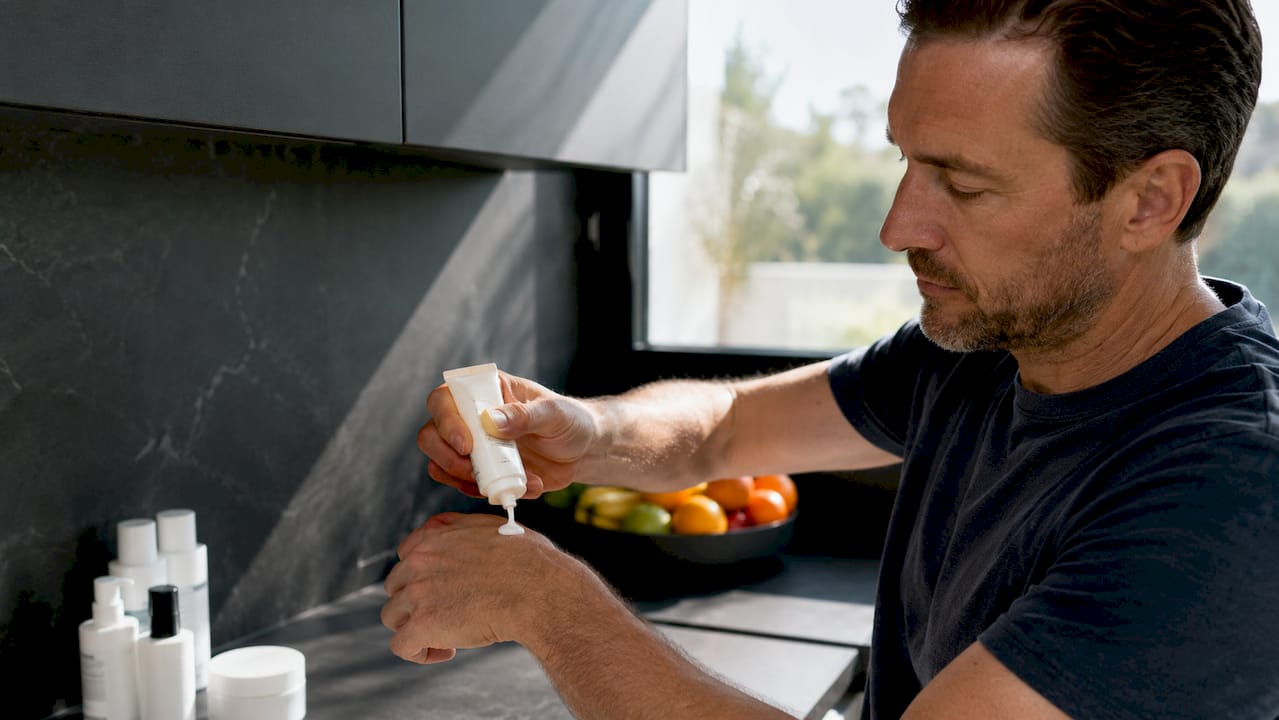
- Use enough product. Most adults underestimate how much sunscreen is needed. A shot-glass worth of product covers the full body.
- Cover commonly missed spots. Ears, the back of the neck, the scalp line, tops of feet, and the backs of hands accumulate significant UV damage over time.
- Reapply every two hours. Reapply immediately after swimming or heavy sweating, regardless of the time elapsed.
- Check expiration dates. Sunscreens degrade in heat and direct sunlight. A bottle left in a hot car or beach bag may no longer provide its labeled SPF.
Pro Tip: Apply sunscreen as the last step of your morning skincare routine, right before you dress. This reduces the chance of missing spots and makes reapplication easier to track.
For a deeper breakdown of sunscreen types and formulas, Raodermatology’s complete sunscreen guide covers mineral versus chemical options and how to choose the right one for your skin type.
3. Why tanning beds are never a safe option
Indoor tanning is one of the most preventable risk factors for skin cancer. Tanning beds expose users to intense UV radiation, and there is no such thing as a safe base tan. A tan is the skin’s response to DNA damage. Every session adds to cumulative UV injury.
The numbers are stark. Tanning beds can increase melanoma risk by 20% per session. Tanning bed burns and accidents send more than 3,000 people to emergency rooms every year in the United States. That figure represents real, preventable harm.
Safer alternatives exist and work well:
- Sunless tanning lotions and sprays use dihydroxyacetone (DHA), a color additive that reacts with dead skin cells to create a temporary tan appearance. DHA does not involve UV exposure and carries no skin cancer risk.
- Bronzing powders and self-tanning drops offer cosmetic color without any radiation exposure.
The key point: no UV-based tan is safe. If you want color, choose a UV-free method.
4. What role does regular skin monitoring play in prevention?
Catching skin changes early is the second pillar of a complete skin cancer prevention checklist. Monthly at-home self-exams help you spot new or changing lesions before they progress. The AAFP notes that routine screening for asymptomatic individuals lacks sufficient evidence to be universally recommended, but targeted evaluation of suspicious lesions remains critical.
Here is what to include in your self-exam routine:
- Full-body mirror check once a month. Use a hand mirror for hard-to-see areas like the back, scalp, and backs of legs.
- Focus on commonly missed areas. The scalp, between the toes, palms, soles of the feet, and under the nails are spots where skin cancer can develop unnoticed.
- Use the ABCDE rule as your skin cancer warning signs checklist. Look for Asymmetry, irregular Border, uneven Color, large Diameter (bigger than a pencil eraser), and Evolving appearance over time.
| Check type | Who it’s for | Frequency |
|---|---|---|
| At-home self-exam | Everyone | Monthly |
| Dermatologist screening | General population | Annually |
| Targeted dermatologist evaluation | High-risk individuals (family history, prior skin cancer, many moles) | Every 6 months or as directed |
Annual dermatologist screenings add professional evaluation that self-exams cannot replace. If you have a family history of melanoma, a personal history of skin cancer, or a high mole count, more frequent visits are warranted. Raodermatology’s skin cancer screening guide explains what to expect during a professional exam and when to schedule one.
Pro Tip: Photograph any moles or spots you are monitoring at home. Date the photos and compare them monthly. Visual change over time is often the clearest early signal.
5. Reduce skin cancer risk through lifestyle and diet habits
Sun protection is the primary lever, but lifestyle habits support your skin’s ability to repair and resist damage. These are not replacements for UV protection. They are reinforcements.
Stay hydrated. Well-hydrated skin maintains its barrier function more effectively. Dehydrated skin is more vulnerable to environmental stressors, including UV-related inflammation.
Avoid smoking. Tobacco use impairs skin cell repair mechanisms and increases the risk of squamous cell carcinoma, particularly on the lips and mouth.
Know your medications. Certain drugs, including some antibiotics like doxycycline and diuretics, increase photosensitivity. If you are on a new medication, ask your prescribing physician whether sun sensitivity is a side effect.
Consider your genetics. Genetic factors contribute to skin cancer risk, particularly for melanoma. Fair skin, light eyes, red or blond hair, and a family history of melanoma all elevate baseline risk. Knowing your risk profile helps you calibrate how aggressive your prevention routine needs to be.
One specialized option worth knowing: oral nicotinamide (a form of vitamin B3) reduces new nonmelanoma skin cancers in selected high-risk patients. This is not a general supplement recommendation. It requires medical supervision and applies only to patients with a documented history of nonmelanoma skin cancers.
6. Build a daily sun safety routine that actually sticks
The biggest gap between knowing sun protection strategies and practicing them is habit formation. Most people apply sunscreen on beach days and skip it on overcast Tuesdays. That inconsistency is where UV damage accumulates.
Making sun protection an everyday habit is the single most effective way to reduce skin cancer risk over a lifetime. The practical path is to attach sun protection behaviors to routines you already have. Apply sunscreen after brushing your teeth. Keep a hat by the door. Store sunglasses in your car. These small friction reductions make consistency far more likely.
Raodermatology’s sun safety guide outlines how to build this routine based on your skin type, daily schedule, and geographic location. Patients in high-UV regions like Southern California face different daily exposure levels than those in New Jersey, and routines should reflect that difference.
Key takeaways
Consistent, layered UV protection is the most effective approach to skin cancer prevention, combining behavioral avoidance, physical barriers, and daily broad-spectrum sunscreen.
| Point | Details |
|---|---|
| Three-layer protection | Combine UV avoidance, UPF clothing, and SPF 30+ sunscreen for the strongest daily defense. |
| Correct sunscreen use | Apply 15 minutes before going outside, cover missed spots, and reapply every two hours. |
| No safe tan | Tanning beds increase melanoma risk per session; use DHA-based sunless products instead. |
| Monthly self-exams | Check the full body monthly using the ABCDE rule, including scalp, palms, and soles. |
| Year-round habit | UV reflects off snow, sand, and water, making protection necessary in every season. |
Why I think most people are protecting the wrong moments
Most people I talk to apply sunscreen before a day at the beach and consider the job done. The real UV damage accumulates on the other 300 days of the year: the 10-minute walk to the car, the lunch break on a patio, the Saturday errands in July. Those exposures feel trivial individually. Over 20 years, they are not.
The three-layer routine works, but only when it is boring and automatic. The patients I see who maintain the best skin health over time are not the ones who are most vigilant on vacation. They are the ones who have made SPF 30 moisturizer part of their morning face routine without thinking about it.
I also want to push back on the idea that sunscreen is the whole answer. Clothing and shade are more reliable because they do not depend on correct application, sufficient quantity, or timely reapplication. A long-sleeve UPF shirt is doing its job whether you remembered to reapply or not. Build your routine around physical barriers first, and use sunscreen to cover what clothing cannot.
One more thing: do not skip the self-exam because you think you will know if something looks wrong. The scalp, the soles of the feet, and the skin between the toes are real locations where melanoma develops and gets missed for years. Use a mirror, use a partner, use a system. Your at-home skin check is not a formality.
— Krunal
How Raodermatology supports your skin cancer prevention plan
Raodermatology offers expert skin cancer prevention consultations, comprehensive screenings, and personalized sun safety plans across its California, New Jersey, and New York locations. Dr. Babar K. Rao and the clinical team bring 25+ years of dermatology experience to every patient evaluation, combining advanced detection technology with practical prevention education tailored to your skin type and risk profile.

Whether you need a baseline skin cancer screening, guidance on your self-exam technique, or a full review of your UV protection routine, Raodermatology’s skin cancer prevention and treatment services are designed to meet you where you are. Early action is always less costly than late treatment. Schedule your consultation today.
FAQ
What is the most important skin cancer prevention tip?
Applying broad-spectrum sunscreen SPF 30 or higher every day, combined with UPF clothing and shade during peak UV hours (10 a.m. to 4 p.m.), is the most effective prevention strategy according to the CDC.
How often should I reapply sunscreen?
Reapply sunscreen every two hours, and immediately after swimming or heavy sweating, regardless of how much time has passed since the last application.
Are tanning beds safer than sun exposure?
No. Tanning beds emit concentrated UV radiation and can increase melanoma risk by 20% per session. There is no safe level of UV-based tanning.
What should I look for during a skin self-exam?
Use the ABCDE rule: check for Asymmetry, irregular Border, uneven Color, Diameter larger than a pencil eraser, and any Evolving changes in a mole or spot over time.
How often should I see a dermatologist for a skin check?
Most adults benefit from an annual professional skin exam. If you have a family history of melanoma, a prior skin cancer diagnosis, or many moles, the AAFP recommends more frequent targeted evaluations based on your individual risk profile.
Recommended
- How to Prevent Skin Cancer: Your Sun Safety Guide | Rao Dermatology
- Skin Cancer Awareness Month: 5 Expert Tips to Protect Your Skin in 2024 | Rao Dermatology
- Skin Cancer Prevention, Detection & Treatment | Rao Dermatology
- Complete Guide to Sunscreen and Sunblock: Protection, Types, and Benefits | Rao Dermatology
Filed under: