
Discover expert care at Raodermatology, the leading skin and laser center in NJ. Get both medical and cosmetic treatments under one roof!
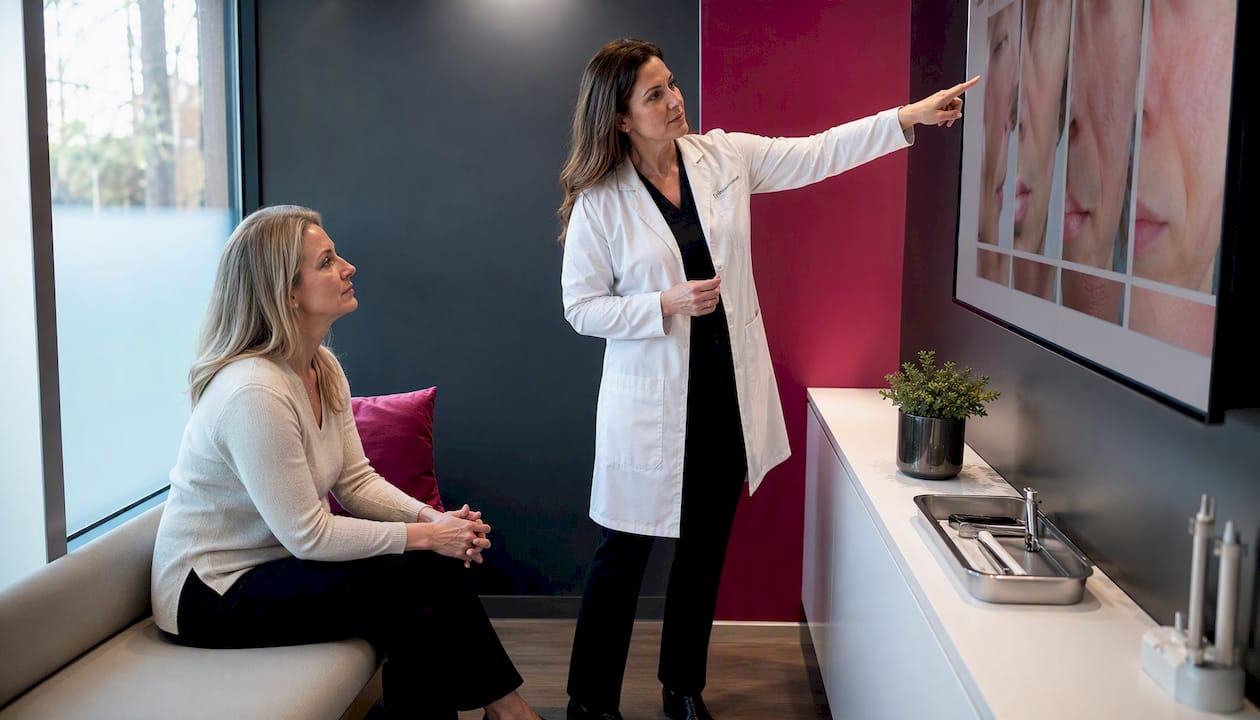
If you’re looking for a skin and laser center in NJ that handles both medical conditions and cosmetic treatments under one roof, Raodermatology is the practice to call. Founded by Dr. Babar K. Rao with 25+ years of experience, the practice serves New Jersey patients with board-certified dermatology oversight and on-site licensed estheticians. Book online at raodermatology.com or call the office directly to schedule.
Top services available at Raodermatology’s NJ locations:
- Laser hair reduction
- Fractional and ablative skin resurfacing
- Vascular and pigment laser treatments
- Tattoo removal (Q-switched laser)
- Skin cancer screening and surgical dermatology
- Cosmetic injectables and esthetic services
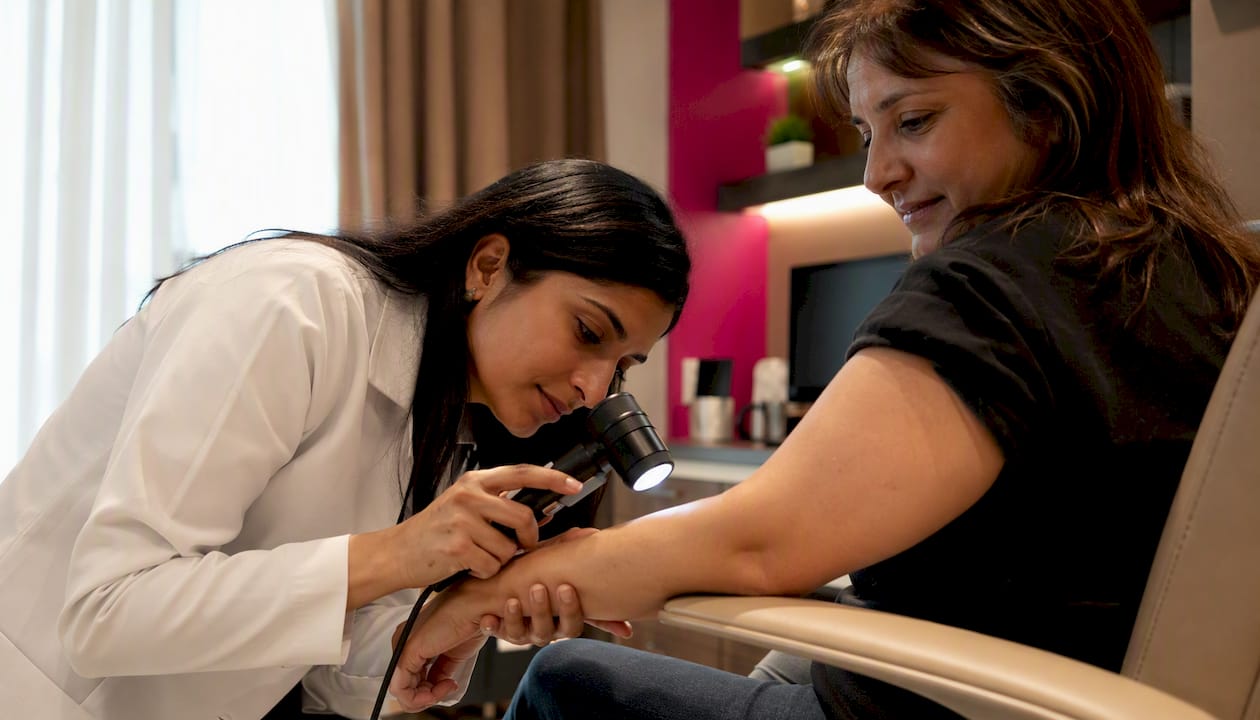
The combination of medical oversight and cosmetic capability matters. When a patient comes in with persistent redness that could be rosacea or a pigmented lesion that needs evaluation before any laser touches it, having a board-certified dermatologist in the same practice is not a luxury. It’s the difference between safe treatment and a missed diagnosis.
Table of Contents
- What does Raodermatology offer in NJ: medical vs. cosmetic care?
- What laser and light-based treatments are available?
- Who performs your treatment, and why credentials matter
- What to expect: timeline, sessions, and side effects
- What affects the price of laser treatments in NJ?
- How do you choose a safe, high-quality skin and laser center?
- Raodermatology NJ locations and how to book
- Why choose Raodermatology: credentials and patient resources
- What do patients report about their results?
- Key Takeaways
- The case for medical-first laser care
- Ready to book at Raodermatology in NJ?
- Useful sources
- FAQ
What does Raodermatology offer in NJ: medical vs. cosmetic care?
Most patients arrive knowing they want a laser treatment. Fewer realize the distinction between medical and cosmetic dermatology actually affects what happens at their appointment, who performs it, and whether insurance covers any of it.
Medical dermatology addresses conditions that affect your health:
- Skin cancer screening, biopsy, and treatment
- Psoriasis, eczema, and dermatitis management
- Mole and lesion evaluation
- Rosacea diagnosis and treatment
- Acne (active disease, not just scarring)
Cosmetic dermatology addresses appearance when the skin is otherwise healthy:
- Laser resurfacing for texture, tone, and wrinkles
- Laser hair reduction
- Injectable neuromodulators and fillers
- Chemical peels and microneedling
- Pigment and vascular laser treatments
The AMA notes that best practice is to begin with a board-certified dermatologist before any cosmetic procedure, specifically to avoid masking an underlying medical condition. Raodermatology’s model integrates both categories, so a patient can have a skin cancer check and discuss laser resurfacing in the same practice relationship.
Pro Tip: If you have a persistent skin condition — redness, a changing mole, or a lesion that won’t heal — schedule a medical evaluation before booking any cosmetic laser. A dermatologist can rule out pathology first, then refer you internally for the aesthetic work.
What laser and light-based treatments are available?
Raodermatology’s laser treatment services cover the full range of common indications. Here’s a quick map of treatment types to what they address:
- Laser hair reduction (diode, alexandrite, Nd:YAG): unwanted body and facial hair; multiple sessions required
- Fractional CO₂ / nonablative fractional: acne scars, resurfacing, fine lines, skin texture
- Q-switched / picosecond laser: tattoo removal, benign pigmented lesions, melasma
- Pulsed-dye laser (PDL): vascular lesions, rosacea redness, port wine stains, spider veins
- Intense pulsed light (IPL): sun damage, diffuse redness, mild pigmentation
- Excimer laser: targeted psoriasis and eczema patches (symptom control, not a cure)
- Ablative CO₂: deeper resurfacing, rhinophyma, actinic keratoses, keloid and hypertrophic scars
A few things worth knowing before you book. Hair reduction effectiveness varies by device, operator skill, and your individual skin and hair type. Lighter hair and darker skin both present challenges. Patients with Fitzpatrick skin types IV–VI face a higher risk of post-inflammatory hyperpigmentation and need a provider experienced with longer wavelengths, active cooling, and staged test patches.
Device names in marketing mean less than you’d think. Ask specifically which device will be used, what wavelength, and how many treatments the provider has performed on patients with your skin type.
Who performs your treatment, and why credentials matter
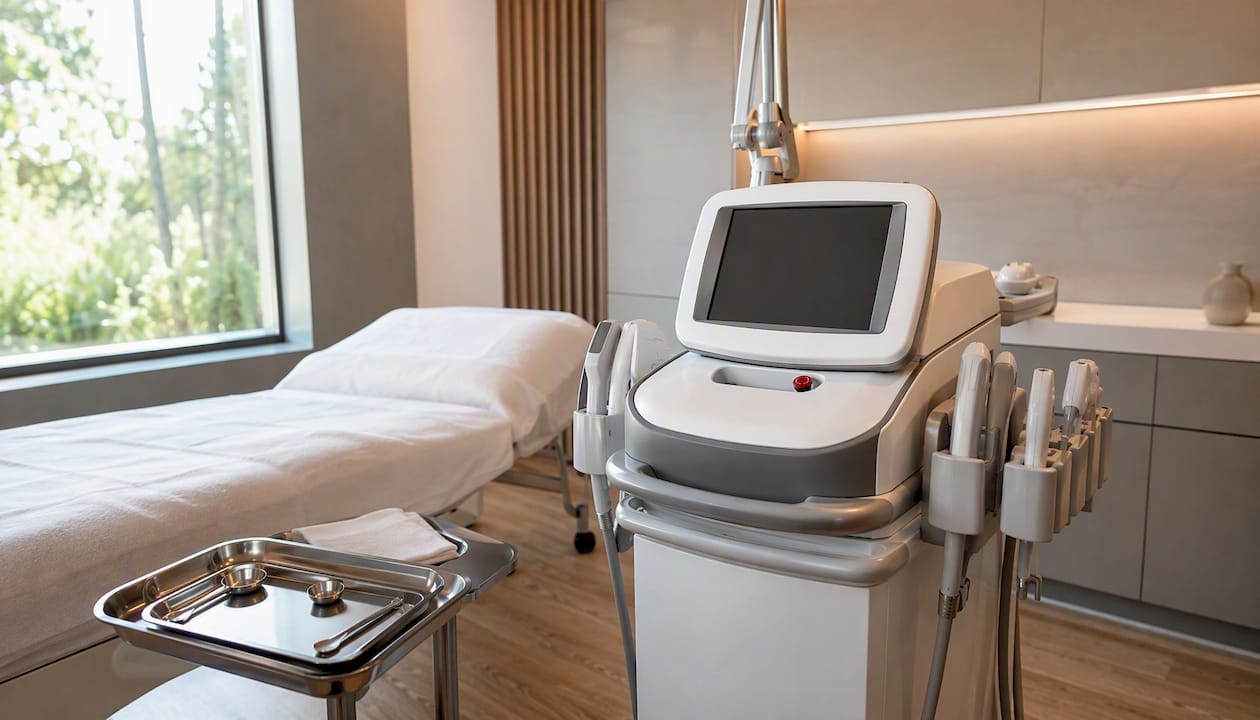
Laser procedures should be performed only by trained professionals in appropriate medical settings. That’s not boilerplate. Laser energy misdirected at the wrong tissue depth or applied at the wrong fluence causes burns, scarring, and pigment changes that are difficult to reverse.
Credentials to look for at any NJ skin and laser center:
- Board-certified dermatologist: the gold standard for medical cases and complex cosmetic work
- Physician assistant (PA) with dermatology training: appropriate for many laser procedures under physician supervision
- Nurse practitioner (NP) supervised by a dermatologist: similar scope, supervision required
- Licensed medical esthetician: appropriate for non-ablative, lower-risk procedures only
Raodermatology’s practice is led by Dr. Babar K. Rao, a board-certified dermatologist. The practice employs licensed estheticians for cosmetic services, with medical oversight available for cases that require it. That layered structure is what the advantages of board-certified care actually look like in practice.
Before any ablative or deeper resurfacing procedure, ask directly: who will perform the treatment, what are their credentials, and what is the on-site protocol if a complication occurs? A reputable center answers those questions without hesitation.
What to expect: timeline, sessions, and side effects
Typical session counts and downtime by procedure
| Procedure | Typical Sessions | Approximate Downtime |
|---|---|---|
| Laser hair reduction | Multiple sessions (typically 4 or more) | Minimal (hours to 1 day) |
| Nonablative fractional resurfacing | 3–6 sessions | 1–3 days |
| Fractional ablative CO₂ resurfacing | 1–3 sessions | 5 to 14 days |
| Q-switched tattoo removal | 5 or more sessions | 1–3 days per session |
| Pulsed-dye (vascular) | 2–5 sessions | Minimal to 1 week |
| IPL for sun damage/pigment | 3–5 sessions | Minimal |
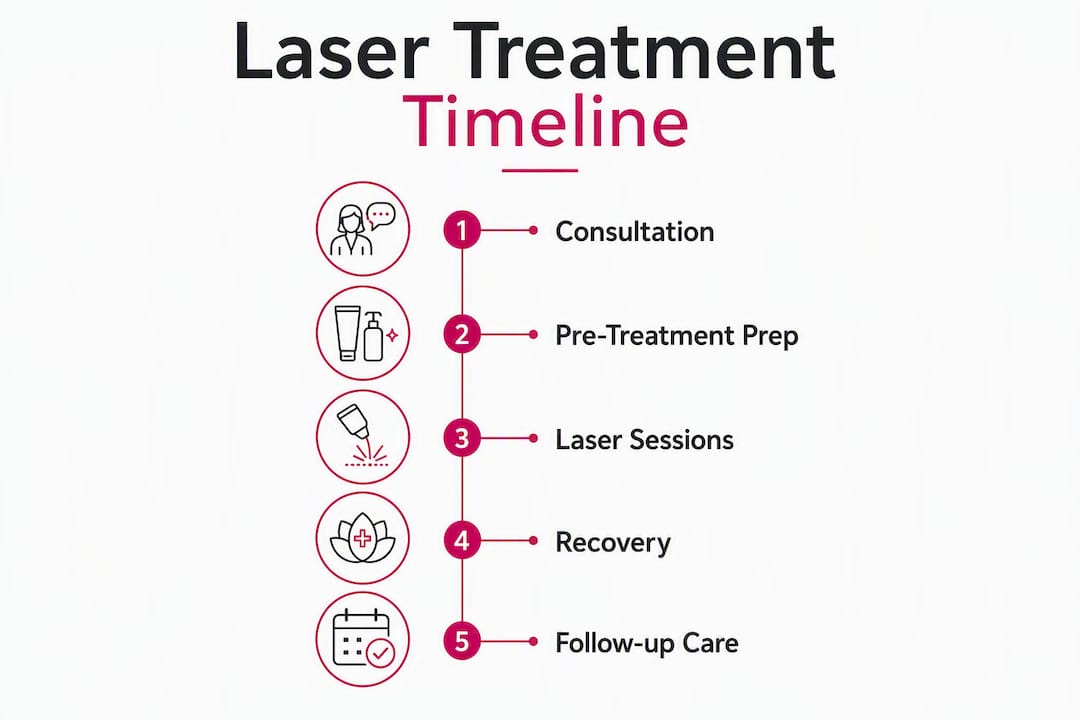
These are ranges, not guarantees. Results depend on the condition being treated, your skin type, the device used, and how consistently you follow aftercare instructions.
Common short-term side effects after most laser treatments:
- Redness and swelling (expected, resolves within hours to days)
- Temporary darkening of pigmented lesions before they shed
- Mild bruising (especially with vascular lasers)
- Skin sensitivity and dryness during healing
Less common but serious risks include scarring, infection, burns, and persistent pigment changes. A five-year systematic review published in Lasers in Medical Science found post-inflammatory hyperpigmentation (PIH) to be the most frequent complication of facial laser procedures, with ablative lasers carrying the highest rates of scarring and infection. Fractional technology reduces some risks but does not eliminate pigmentary issues.
Ocular injury is a real risk with certain devices. Everyone in the treatment room, including the patient, should wear wavelength-appropriate eye protection. This is a non-negotiable safety standard.
Pro Tip: If you have a darker skin tone (Fitzpatrick IV–VI), request a test patch 2–3 weeks before your full treatment. This lets the provider calibrate energy settings on a small area first. Also: strict sun avoidance for 4–6 weeks before and after treatment is one of the most effective ways to reduce PIH risk.
For deeper guidance on what to expect session by session, Raodermatology’s patient guide to lasers in dermatology covers preparation, the treatment day, and recovery in plain language.
What affects the price of laser treatments in NJ?
Cosmetic laser treatments are self-pay. Medical procedures may be partially covered by insurance when documented as medically necessary, but elective resurfacing, hair reduction, and tattoo removal are not. Pricing in New Jersey varies widely based on several factors:
- Device type: ablative CO₂ and picosecond lasers cost more per session than IPL or nonablative fractional
- Clinician credentials: a board-certified dermatologist’s time is priced differently than a medical esthetician’s
- Treatment area size: full back vs. upper lip are not the same price
- Number of sessions: packages typically reduce per-session cost
- Geographic overhead: NJ/NY metro practices carry higher operating costs than rural clinics
Per-session pricing for laser hair reduction in NJ generally ranges from under $100 for small areas to several hundred dollars for large body areas. Resurfacing and tattoo removal sessions tend to run higher. Package deals are common and usually offer better value than paying session by session.
On the insurance question: some procedures have a medical billing path when properly documented. Laser treatment for symptomatic rosacea or excimer therapy for psoriasis may qualify. Ask the front desk about preauthorization before your appointment, not after.
Always request an itemized estimate before committing. Ask specifically whether the quoted price includes the consultation, any numbing agents, and follow-up visits. Ask about maintenance sessions too — hair reduction, in particular, often requires annual touch-ups after the initial series.
How do you choose a safe, high-quality skin and laser center?
Questions to ask at your consultation
- Which board-certified dermatologist oversees treatments at this location?
- What specific device will be used for my treatment, and what is its FDA clearance status?
- How many patients with my skin type has this provider treated with this device?
- Can I see before-and-after photos of patients with similar skin tones and conditions?
- What is your test patch policy for new patients?
- Who handles follow-up care if I have a complication?
- What does the aftercare plan include, and is it documented in writing?
Red flags to watch for
- No physician on staff or available for consultation
- Clinic refuses to name the device or show training documentation
- Prices significantly below market with no explanation
- No pre-treatment evaluation or medical history review
- Verbal aftercare instructions only, nothing written
Trust signals worth requesting
- Board certification documentation for the supervising physician
- Published patient education resources (blogs, FAQs, consent forms)
- Before-and-after gallery with real patients, not stock photos
- Written consent forms that explain risks specific to your skin type
- Documented sterilization protocols and eye-protection policy
Raodermatology NJ locations and how to book
Raodermatology operates multiple locations across New Jersey, New York, and California. For NJ patients, the practice serves the region with both medical and cosmetic dermatology appointments available.
To book:
- Visit raodermatology.com to request an appointment online
- Call the office directly for urgent medical concerns or to ask pre-appointment questions
What to bring to your first appointment:
- Government-issued photo ID
- Insurance card (for medical dermatology visits)
- List of current medications and topical products you use
- Recent photos of the skin concern, if it changes in appearance over time
- Any prior dermatology records or biopsy results
Before a laser treatment, your provider may ask you to stop certain topicals (retinoids, acids) and avoid sun exposure for several weeks. Confirm these instructions when you book, not the morning of your appointment.
Why choose Raodermatology: credentials and patient resources
Raodermatology’s practice profile includes several concrete proof points that matter when evaluating a skin and laser center:
- Dr. Babar K. Rao, board-certified dermatologist: founder and clinical lead with 25+ years of experience in medical and cosmetic dermatology
- Multi-location practice: offices in New Jersey, New York, and California, with consistent clinical standards across locations
- Integrated model: medical dermatology and cosmetic services under one roof, including licensed estheticians for non-ablative work
- Skin cancer services: dedicated skin cancer prevention, detection, and treatment program for patients with high-risk lesions
- Patient education library: published guides on laser safety, hair removal, and treatment expectations — including a comprehensive laser overview for patients comparing modalities
The practice publishes patient-facing education on laser care, which reflects a commitment to informed consent and realistic expectations. Research consistently shows that patient education about realistic outcomes is the strongest predictor of satisfaction after cosmetic laser care.
What do patients report about their results?
Patients who go through a full laser hair reduction series at a qualified NJ center typically report up to about 30% permanent reduction in hair density after completing the recommended sessions, with periodic maintenance needed for lasting results. Resurfacing patients commonly describe improved skin texture and tone, with the most dramatic results appearing 3–6 months after treatment as collagen remodeling continues.
Raodermatology maintains a before-and-after gallery on its website. Patients interested in seeing outcomes for their specific skin type or condition can request relevant case examples at the consultation. This is standard practice at any reputable center and should never be declined.
A few consistent themes in patient feedback across well-run dermatology practices: realistic expectations set upfront lead to higher satisfaction, multiple sessions are the norm not the exception, and patients who follow the documented aftercare plan heal faster and with fewer complications. Privacy and written consent for any published photos are standard requirements.
Key Takeaways
Raodermatology is a board-certified, multi-location NJ skin and laser center offering both medical dermatology and cosmetic laser treatments, with Dr. Babar K. Rao’s 25+ years of experience backing every clinical decision.
| Point | Details |
|---|---|
| Start with a medical evaluation | See a board-certified dermatologist before cosmetic lasers if any lesion or condition needs diagnosis first. |
| Expect multiple sessions | Most laser treatments require multiple sessions depending on the procedure; single-session results are rare. |
| Skin tone affects risk and device choice | Fitzpatrick IV–VI patients need experienced providers using longer wavelengths, cooling, and test patches to reduce PIH risk. |
| Cosmetic work is self-pay; some medical care is insurable | Ask about preauthorization for medically necessary procedures before your appointment. |
| Raodermatology serves NJ patients | Book online at raodermatology.com or call the office for medical and cosmetic laser appointments across NJ locations. |
The case for medical-first laser care
Most people searching for a skin and laser center in NJ are ready to book a cosmetic treatment. That confidence is reasonable when the skin concern is clearly aesthetic. But a surprising number of patients arrive wanting laser resurfacing or pigment treatment for something that hasn’t been properly diagnosed. A brown spot that looks like sun damage can be a lentigo, a seborrheic keratosis, or occasionally something that needs a biopsy before any laser energy touches it.
The medical-first model isn’t about slowing patients down. It’s about making sure the treatment plan is built on an accurate diagnosis. When a board-certified dermatologist is involved from the start, the cosmetic work that follows is safer, better targeted, and less likely to produce complications that require correction. Patients who skip that step sometimes save a consultation fee and spend far more correcting a problem that a proper evaluation would have caught.
Realistic expectations matter just as much. Laser hair reduction typically yields around 30% permanent reduction for most people, but results are not guaranteed for everyone. Tattoo removal takes more sessions than most patients expect. Resurfacing results continue to develop for months. A practice that tells you these things upfront, rather than after you’ve paid for a package, is one worth trusting.
Ready to book at Raodermatology in NJ?
Raodermatology offers something most standalone laser clinics can’t: a board-certified dermatologist leading the practice, with licensed estheticians handling cosmetic services and the full medical dermatology infrastructure behind every treatment decision. For NJ patients, that means you can address a suspicious mole and book a laser resurfacing series in the same practice, without starting over with a new provider each time.
Medically necessary treatments, including skin cancer care and certain condition-specific laser procedures, may be billed to insurance. Cosmetic services are self-pay. Check your benefits before your appointment and ask the front desk about preauthorization for any medical procedures.
Book a consultation through Raodermatology’s services page or call the office directly. Bring your insurance card, medication list, and any photos of the area you want treated. The first step is a conversation with a provider who can tell you exactly what your skin needs.
Useful sources
The following sources back the clinical claims in this article and are worth consulting for deeper reading:
- Laser Complications — StatPearls, NCBI Bookshelf: comprehensive clinical reference on laser safety, complication types, and prevention protocols
- Cosmetic Laser Treatments — Health Canada: regulatory guidance on device licensing, operator training, and hair reduction expectations
- Facial Laser Complications: A Five-Year Review — Lasers in Medical Science: PRISMA-aligned systematic review on PIH, scarring, and infection rates by laser type
- Laser Outcomes and Pigment Risk in Darker Skin Types — PubMed: peer-reviewed data on Fitzpatrick IV–VI risk stratification and protocol recommendations
- Excimer Laser Treatments — Penn Medicine: clinical overview of excimer use for psoriasis and eczema
- What Doctors Want Patients to Know About Cosmetic Dermatology — AMA: professional society guidance on medical-first evaluation
- A Patient’s Guide to Lasers in Dermatology — Raodermatology: clinic-authored patient education on laser safety and preparation
For complex decisions about skin conditions or laser suitability, consult a board-certified dermatologist directly rather than relying on general online information.
FAQ
What is the skin and laser center of New Jersey?
Raodermatology is a multi-location dermatology practice in New Jersey offering both medical and cosmetic laser treatments under the supervision of board-certified dermatologist Dr. Babar K. Rao. Services include laser hair reduction, resurfacing, tattoo removal, vascular treatments, and skin cancer care.
What are the downsides of laser treatment?
Common side effects include redness, swelling, and temporary pigment changes; less common risks include burns, scarring, infection, and persistent hyperpigmentation or hypopigmentation, particularly when incorrect device settings are used or aftercare is inadequate.
How much does laser hair removal cost in New Jersey?
Pricing varies by treatment area, device, and provider credentials. Small areas typically cost less per session than large body areas, and package pricing reduces the per-session rate. Request an itemized estimate at your consultation, and ask whether maintenance sessions are included.
Can eczema be cured with laser?
No. Excimer laser therapy can reduce inflammation and improve symptoms for targeted eczema patches, but it is used for symptom control rather than cure and requires ongoing specialist oversight. A medical evaluation by a board-certified dermatologist should precede any laser treatment for eczema.
Do I need a referral to book at Raodermatology in NJ?
No referral is required. You can book directly online at raodermatology.com or by calling the office. For medical concerns, bring your insurance card and any prior dermatology records to your first appointment.
This article is general information, not medical advice. Confirm treatment suitability, current pricing, and insurance coverage with Raodermatology or a qualified dermatologist for your specific situation.
Recommended
Filed under: