
Discover how to treat dermatitis at home with our natural relief guide. Learn essential routines, remedies, and lifestyle changes for effective care.
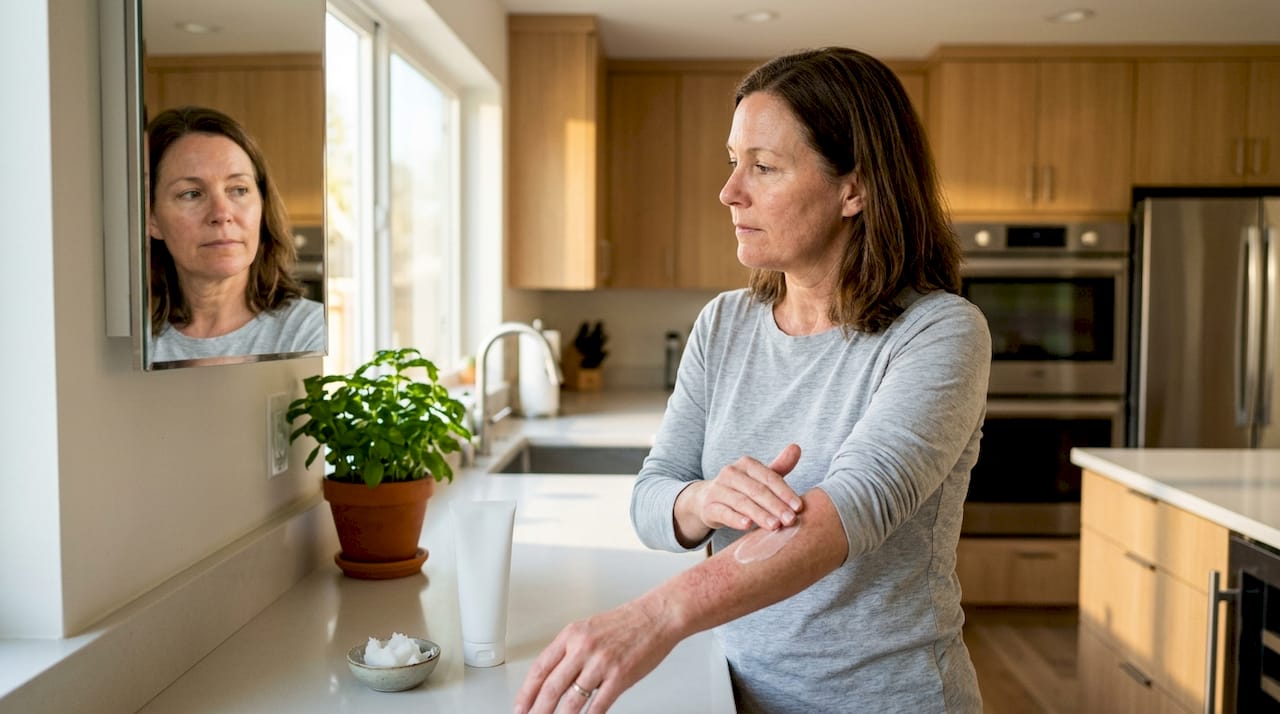
Dermatitis is defined as an inflammatory skin condition that causes redness, itching, and a damaged skin barrier. Knowing how to treat dermatitis at home means combining three proven approaches: restoring skin moisture, reducing triggers, and applying natural anti-inflammatory remedies. The condition is immune-mediated, meaning your immune system drives the inflammation, which is why surface-level fixes alone rarely work. Effective home care targets all three layers of the problem at once. This guide covers the exact routines, natural options, and lifestyle changes that clinical evidence supports.
What are the essential skin care routines to manage dermatitis at home?
The foundation of dermatitis care at home is a consistent bathing and moisturizing routine. Get this right, and every other treatment works better. Get it wrong, and even good products fail.
Bathing basics that protect your skin barrier
Short, lukewarm baths of 10–15 minutes are the clinical standard for dermatitis management. Hot water and long showers strip the natural oils your skin needs to stay protected. Lukewarm water cleans without triggering inflammation.
- Keep showers to 10–15 minutes maximum
- Use water that feels warm, not hot
- Avoid scrubbing with rough washcloths or loofahs
- Pat skin dry with a soft towel. Never rub.
- Apply moisturizer within 3 minutes of stepping out
That last point is the one most people miss. Applying moisturizer immediately after bathing traps the water your skin just absorbed. Wait longer than 3 minutes, and that moisture evaporates instead of locking in.
Pro Tip: Keep your moisturizer on the bathroom counter before you shower so it is ready the moment you step out. The 3-minute window closes fast.
Choosing the right products
Regular gentle cleansing with soap substitutes avoids stripping the natural oils critical for skin barrier maintenance. Standard bar soaps and most body washes contain surfactants and fragrances that worsen dermatitis. Look for soap-free cleansers labeled “for sensitive skin” or “soap substitute.”
For moisturizers, thick creams and ointments outperform thin lotions. Petroleum jelly, ceramide-based creams, and fragrance-free thick emollients all work well. Apply generously, especially to areas that flare most often.
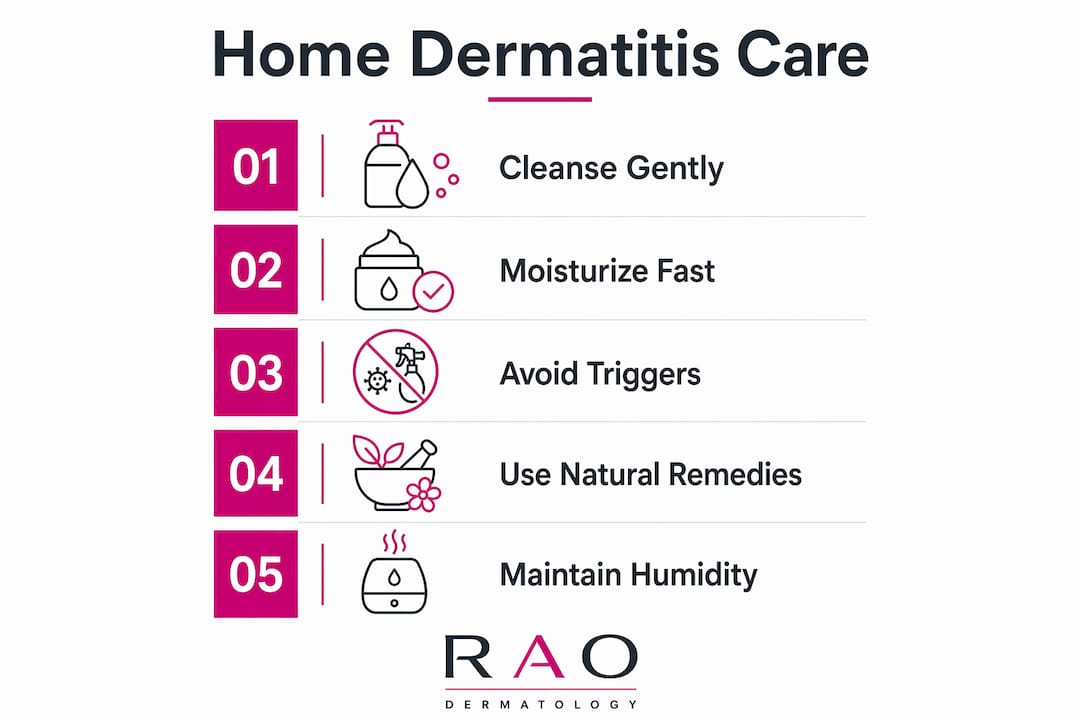
Maintaining indoor humidity around 30% also prevents the skin dryness that worsens symptoms. A basic humidifier in your bedroom makes a measurable difference, particularly in winter when indoor air gets very dry.
Which natural and herbal remedies are effective for treating dermatitis symptoms?
Natural dermatitis treatments work best as a complement to good skin care, not a replacement. Several have real clinical evidence behind them.
Herbal options with clinical support
Herbal remedies like chamomile and calendula reduce eczema severity by around 50–55%, which is close to mid-potency steroids, with contact sensitization rates below 6%. That is a meaningful result for patients who want to avoid long-term steroid use. Both work through anti-inflammatory pathways that calm the immune response in the skin.
- Chamomile: Apply as a diluted cream or gel to inflamed areas. Look for products with at least 1–2% chamomile extract.
- Calendula: Available as creams and ointments. Particularly useful for weeping or cracked skin due to its mild antibacterial properties.
- Aloe vera: Fresh gel from the plant or pure aloe products soothe acute flares. Apply a thin layer to clean skin.
- Coconut oil: One of the best oils for dermatitis due to its lauric acid content, which reduces surface bacteria and seals moisture in.
Preparing and applying herbal remedies safely
Always patch test any new product before applying it to a large area. Apply a small amount to the inside of your forearm, wait 24 hours, and check for redness or itching. This step matters because even natural ingredients can cause contact sensitization in some people.
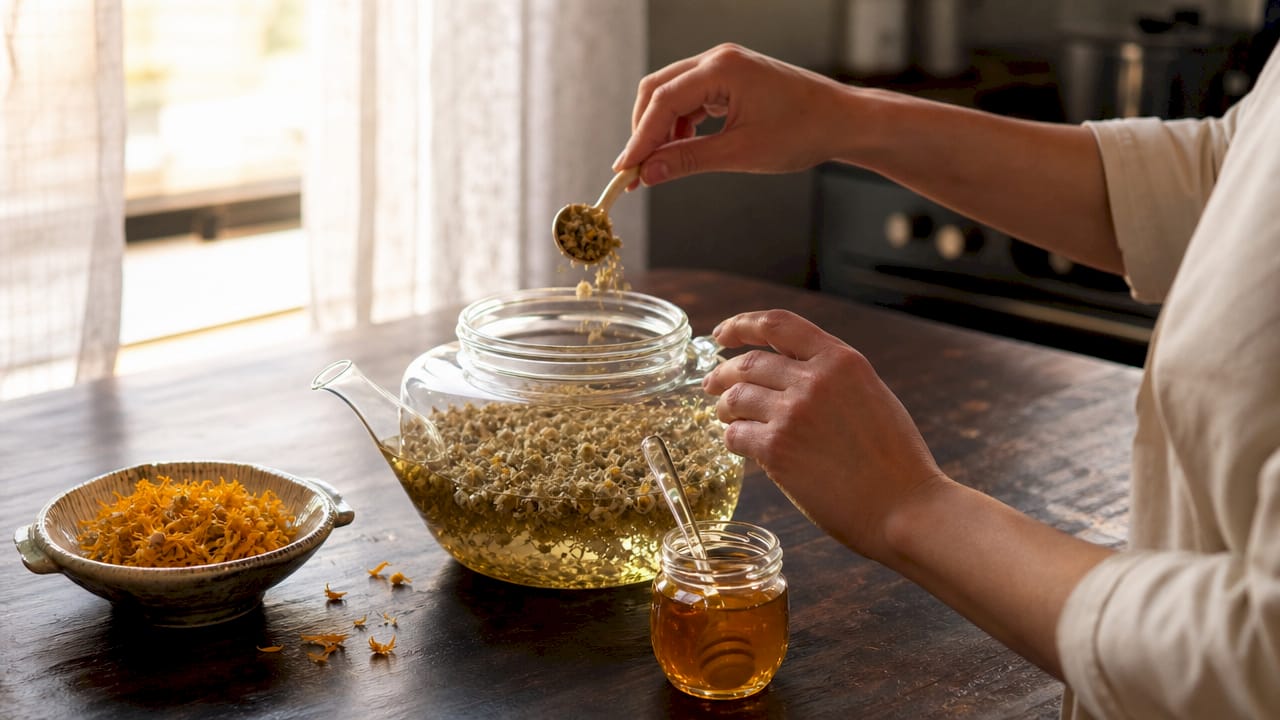
To make a simple herbal application at home, steep dried chamomile or calendula in warm water, let it cool completely, and apply with a clean cloth as a compress. For a homemade dermatitis cream, mix pure aloe vera gel with a few drops of calendula oil and apply after bathing.
Pro Tip: Patch test every new product, including “natural” ones. Sensitization to herbal ingredients is rare but real, and it can make your dermatitis worse.
Bleach baths as an adjunct therapy
Diluted bleach baths using 0.5 cups of regular household bleach per 40 gallons of water, used 2–3 times per week, reduce skin bacteria and symptom intensity. This approach works because bacteria on the skin surface, particularly Staphylococcus aureus, trigger immune flares. Stop immediately if you notice any irritation or burning.
Patients often fear the side effects of long-term corticosteroids, which makes well-tolerated herbal alternatives genuinely valuable as maintenance options between flares. Herbal remedies are not as fast-acting as prescription steroids, but they carry a much lower risk profile for ongoing daily use.
How can environmental and lifestyle changes support dermatitis management?
Your home environment either helps or hurts your skin every single day. Small changes add up to fewer flares.
Identifying and removing triggers
Avoiding known irritants and allergens is the single most effective way to reduce dermatitis risk and control flare-ups. Common triggers include:
- Fragranced laundry detergents and fabric softeners
- Wool and synthetic fabrics worn directly against skin
- Dust mites in bedding and carpets
- Pet dander
- Certain metals in jewelry, especially nickel
- Stress, which directly activates inflammatory pathways in the skin
Switch to fragrance-free laundry products and wash new clothing before wearing it. Use cotton or bamboo fabrics close to your skin. Wash bedding weekly in hot water to reduce dust mite exposure.
Managing itch without scratching
The itch-scratch cycle is one of the hardest parts of dermatitis to break. Scratching damages the skin barrier further, which triggers more inflammation, which causes more itch. Breaking the cycle requires both physical and behavioral strategies.
Keep nails short and clean. Apply a cold compress to itchy areas instead of scratching. For nighttime itch, antihistamines taken at bedtime avoid daytime drowsiness while still providing relief. This timing matters especially for older adults, who are more sensitive to the sedating effects.
Diet and stress also play a role. Chronic stress raises cortisol, which weakens immune regulation and worsens skin inflammation. Regular sleep, moderate exercise, and stress reduction techniques like deep breathing all support better skin outcomes.
What are the step-by-step treatment procedures for at-home dermatitis care?
Follow this routine consistently to get the best results from your home treatment plan.
Daily routine: step by step
- Prepare your supplies before bathing: soap substitute, soft towel, thick fragrance-free moisturizer, and any topical herbal product you use.
- Bathe in lukewarm water for no more than 10–15 minutes. Use your soap substitute only on areas that need cleaning.
- Pat skin dry gently with a soft towel. Leave skin slightly damp.
- Apply moisturizer within 3 minutes. Cover all affected areas generously. Do not rub. Press the product in.
- Apply any herbal or topical treatment on top of the moisturizer layer, or as directed by your product.
- Dress in soft, breathable fabrics like cotton immediately after.
“Most patients miss the critical moisture lock-in window by applying moisturizer too late after bathing. The 3-minute rule is not a suggestion. It is the difference between treatment that works and treatment that does not.”
Supply overview
| Supply | Purpose |
|---|---|
| Soap substitute cleanser | Cleans without stripping skin oils |
| Thick fragrance-free emollient | Locks in moisture post-bath |
| Aloe vera gel or calendula cream | Soothes inflammation and redness |
| Humidifier | Maintains 30% indoor humidity |
| Antihistamine (bedtime) | Controls nighttime itch |
Safety precautions
Never use undiluted bleach on skin. Always follow the 0.5 cups per 40 gallons ratio for bleach baths. For pre-procedure hygiene and safe skin disinfection practices, proper dilution and technique protect the skin barrier rather than damage it.
Seek professional care if you notice yellow crusting, weeping sores, fever, or symptoms that worsen despite two weeks of consistent home treatment. These signs suggest infection or a more severe flare that needs prescription intervention. Raodermatology’s dermatitis management resources outline exactly when home care is sufficient and when it is not.
Key Takeaways
Effective home treatment for dermatitis requires consistent moisturizing within 3 minutes of bathing, trigger avoidance, and evidence-backed natural remedies used together as a daily routine.
| Point | Details |
|---|---|
| Moisturize within 3 minutes | Apply thick emollient immediately after bathing to lock in hydration. |
| Use soap substitutes | Fragrance-free cleansers protect the skin barrier better than standard soap. |
| Herbal remedies work | Chamomile and calendula reduce severity close to mid-potency steroids with low sensitization risk. |
| Remove home triggers | Fragrance-free laundry products and cotton fabrics reduce daily flare exposure. |
| Know when to escalate | Infection signs or worsening symptoms after two weeks need professional evaluation. |
What I have learned from watching patients manage dermatitis at home
The patients who get the best results from home treatment are not the ones using the most products. They are the ones who master two or three habits and do them without fail every single day.
The 3-minute moisturizing window is the single most underrated piece of advice in dermatitis care. I have seen patients spend money on expensive creams and still flare constantly, simply because they apply the product 10 minutes after drying off. Timing beats product quality almost every time.
The herbal remedy conversation is more nuanced than most articles admit. Chamomile and calendula are genuinely useful, but they are maintenance tools, not rescue treatments. When someone is in a severe flare, they need faster-acting options. The mistake I see repeatedly is patients abandoning prescription treatments entirely for natural alternatives, then suffering through flares that could have been controlled in days. The smarter approach is to use herbal options during calm periods and have a clear plan for when things escalate.
The environmental piece also gets underestimated. Changing your laundry detergent or adding a humidifier sounds too simple to matter. But preventing dermatitis flares through environmental control is often more powerful than any topical treatment, because you are removing the trigger rather than just treating the response. Home remedies are supportive care for mild cases. Persistent or severe symptoms need professional diagnosis. That line is not a failure of home treatment. It is just good judgment.
— Krunal
When home care is not enough: Raodermatology can help
Home treatment controls most mild to moderate dermatitis cases well. When symptoms persist, worsen, or become infected, professional care makes the difference.

Raodermatology brings 25+ years of experience treating dermatitis across California, New Jersey, and New York. The practice offers medical dermatology services that go well beyond what home care can achieve, including prescription topicals, phototherapy, and personalized trigger identification. Whether you are managing a stubborn flare or want a professional skin care plan built around your specific condition, the team at Raodermatology provides the clinical depth to get results. Explore the full range of dermatology services to find the right level of care for your skin.
FAQ
What is the fastest way to relieve dermatitis itch at home?
Apply a cold compress to the affected area and use a thick fragrance-free moisturizer immediately. Taking an antihistamine at bedtime also reduces overnight itch without causing daytime drowsiness.
How do I know if my dermatitis is infected?
Yellow crusting, weeping sores, increased warmth, or fever alongside a flare are signs of infection. These symptoms require professional evaluation rather than continued home treatment.
Can coconut oil help with dermatitis?
Coconut oil reduces surface bacteria and seals in moisture, making it one of the more effective natural options for mild dermatitis. Apply a thin layer to clean, slightly damp skin after bathing.
How long does it take for home treatment to work?
Most people see improvement within 1–2 weeks of consistent daily moisturizing, trigger avoidance, and natural remedy use. If symptoms worsen or do not improve after two weeks, consult a dermatologist.
Are bleach baths safe for dermatitis?
Diluted bleach baths using 0.5 cups per 40 gallons of water, used 2–3 times per week, are safe for most people and reduce skin bacteria that trigger flares. Stop use immediately if you experience burning or increased irritation.
Recommended
- Your Dermatitis Management Guide: Treat and Prevent Flares | Rao Dermatology
- How to Manage Dermatitis Cases: Proven Strategies | Rao Dermatology
- What Is Dermatitis? Symptoms, Types, and Treatment | Rao Dermatology
- Effective Eczema Treatment and Management: Expert Tips from NYC Dermatologists | Rao Dermatology
Filed under: