
Discover effective skin health improvement tips grounded in dermatologist advice. Hydrate, protect, and nourish your skin for lasting results.
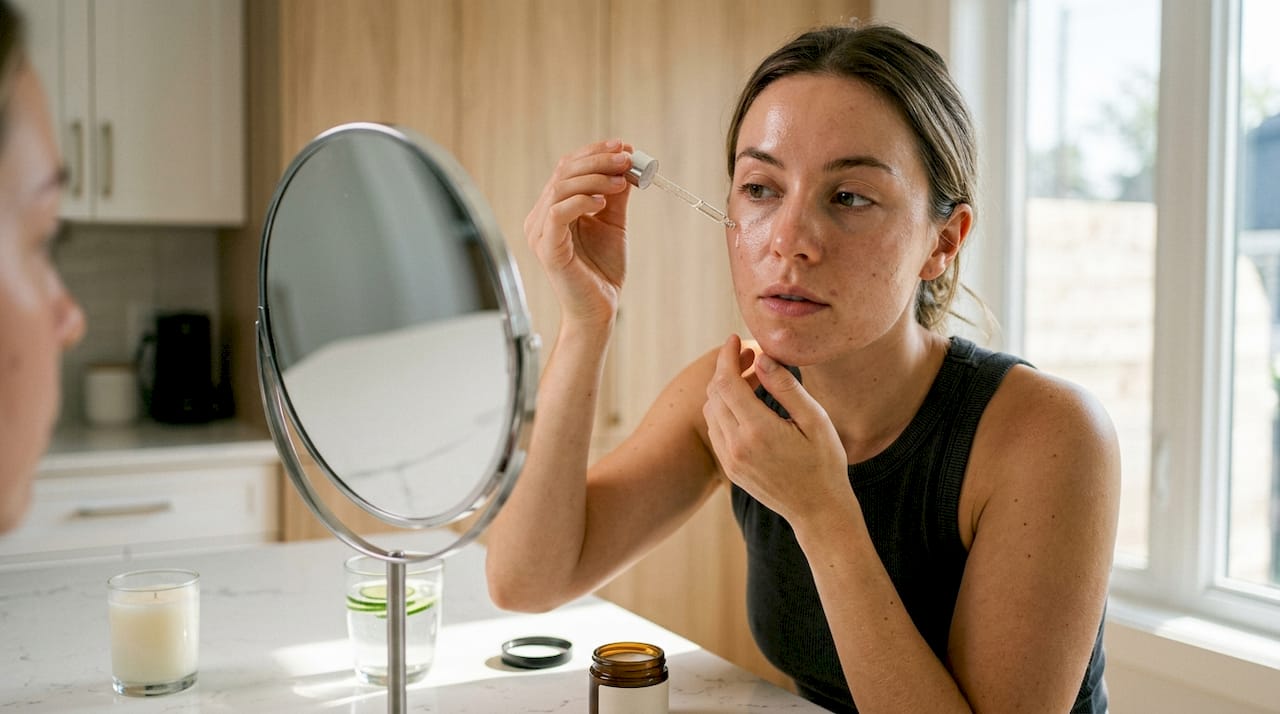
Skin health improvement is defined as the daily practice of protecting, nourishing, and repairing your skin through consistent habits, targeted ingredients, and lifestyle choices that work together. Your skin is your body’s largest organ, and it responds directly to what you eat, how you sleep, and what you put on it. The tips in this article are grounded in dermatologist recommendations and current research, covering hydration, sun protection, active ingredients, nutrition, and daily routine. Each section gives you the reasoning and the execution so you can build habits that last.
1. How to properly hydrate your skin inside and out
Hydration is the foundation of every effective skin care plan. Without adequate water intake and a strong skin barrier, even the best topical products underperform. Dermatologists recommend drinking 2.5–3 liters of water daily to maintain skin moisture and suppleness. That number matters because dehydration shows up on your face before it shows up anywhere else.

Internal hydration and topical hydration serve different functions. Drinking water supports circulation and nutrient delivery to skin cells. Topical products like hyaluronic acid serums attract and hold moisture at the surface. You need both working together to see real results.
The best hydrating foods include cucumbers, watermelon, and leafy greens. These foods deliver water alongside vitamins and antioxidants that support skin repair. Add them to your daily meals rather than treating them as occasional extras.
- Drink water consistently throughout the day, not just when thirsty
- Apply hyaluronic acid serum to damp skin before moisturizer for maximum absorption
- Eat cucumbers, watermelon, and leafy greens daily
- Use a ceramide-based moisturizer to lock in surface hydration
- Avoid excess caffeine and alcohol, which accelerate moisture loss
Pro Tip: Switch to a silk pillowcase. Cotton draws moisture away from your skin overnight, while silk reduces that friction and moisture loss while you sleep.
2. Why daily sun protection is non-negotiable
UV radiation is the single largest external cause of premature skin aging. It breaks down collagen, triggers pigmentation changes, and increases skin cancer risk. Broad-spectrum SPF 30+ applied daily prevents the cumulative damage that adds up over years. This applies year-round, not just in summer.
Most people underestimate indoor UV exposure. UVA rays penetrate glass windows, meaning you accumulate damage while sitting near a window at work or in a car. Applying sunscreen every morning, regardless of your plans, closes that gap.
Physical vs. chemical sunscreens
Physical sunscreens use zinc oxide or titanium dioxide to reflect UV rays off the skin’s surface. They work immediately on application and suit sensitive skin well. Chemical sunscreens use compounds like avobenzone or octinoxate to absorb UV energy and convert it to heat. They tend to feel lighter on the skin and blend more easily under makeup.
Neither type is universally better. The best sunscreen is the one you will actually apply every day.
- Choose broad-spectrum coverage for both UVA and UVB protection
- Apply SPF 30 or higher as the last step in your morning routine
- Reapply every 2–3 hours when outdoors or after sweating
- Use a separate SPF product rather than relying on SPF in foundation alone
- Wear protective clothing and seek shade between 10 a.m. and 4 p.m.
Pro Tip: Keep a travel-size sunscreen at your desk. The reminder makes reapplication a habit rather than an afterthought.
3. How to introduce active ingredients without damaging your skin
Active ingredients like retinol, AHAs, and vitamin C are the workhorses of any anti-aging skincare routine. They improve skin texture, fade discoloration, and stimulate collagen production. The problem is that most people introduce them too fast and too many at once, which causes irritation and barrier damage.
Start retinol at 0.025%–0.05% concentration, applied at night two to three times per week. That frequency gives your skin time to adjust without overwhelming it. After two to four weeks with no irritation, you can increase frequency or concentration gradually.
Layering multiple actives simultaneously impairs barrier function and causes sensitization. Retinol and AHAs used together on the same night, for example, dramatically increase the risk of redness, peeling, and long-term sensitivity. Introduce one product at a time and wait at least two to four weeks before adding another.
Niacinamide, also known as vitamin B3, is one of the safest actives to pair with almost anything. It strengthens the skin barrier by supporting keratin synthesis and reduces redness and uneven tone without irritation. Vitamin C applied in the morning adds antioxidant protection and brightening benefits. These two ingredients form a strong, low-risk foundation before you add retinol.
- Use retinol at night only; UV exposure degrades it and increases sensitivity
- Apply a moisturizer after retinol to buffer irritation
- Never combine retinol and AHAs in the same application
- Add niacinamide to your morning routine for barrier support
- Consult a dermatologist before starting prescription-strength retinoids
Pro Tip: The “sandwich method” works well for retinol beginners. Apply moisturizer, then retinol, then moisturizer again. This reduces irritation without reducing efficacy.
4. How nutrition and lifestyle habits shape your skin long-term
Your skin reflects what happens inside your body. No topical product can fully compensate for poor sleep, chronic stress, or a diet high in processed foods. Healthy skin depends as much on lifestyle pillars as it does on topical treatments. That is not a soft claim. It is backed by current research in lifestyle medicine.
A Mediterranean-style diet rich in polyphenols and fiber reduces glycation and inflammation, which directly improves collagen quality and slows visible aging. Polyphenols are found in olive oil, berries, dark leafy greens, and legumes. Omega-3 fatty acids from salmon, sardines, walnuts, and flaxseed improve skin suppleness and reduce inflammatory redness.
Sleeping 7–9 hours nightly improves skin hydration and barrier repair by reducing inflammatory signaling. Poor sleep raises cortisol, which breaks down collagen and worsens conditions like acne and eczema. Sleep is when your skin does its most intensive repair work, and cutting it short has visible consequences.
Smoking, excess alcohol, and pollutant exposure increase oxidative damage and accelerate skin aging. Smoking alone constricts blood vessels in the skin, reducing oxygen and nutrient delivery. Reducing these exposures slows matrix degradation and supports the work your skincare routine is doing. For more on how stress specifically affects your skin, Raodermatology covers the cortisol and skin connection in depth.
- Eat fatty fish, walnuts, and flaxseed for omega-3 intake
- Add berries, olive oil, and leafy greens to your daily meals
- Prioritize 7–9 hours of sleep as a non-negotiable skin habit
- Manage stress through exercise, mindfulness, or structured downtime
- Avoid smoking and limit alcohol to protect collagen and skin tone
Exercise also improves skin health by increasing blood flow and supporting mitochondrial function in skin cells. Even 30 minutes of moderate activity most days makes a measurable difference in skin color and texture over time.
5. A simplified daily skincare routine that delivers results
The most effective daily skincare routine is built on three steps: cleanse, moisturize, and protect. Dermatologists consistently confirm that this foundation outperforms complicated multi-step routines for most people. Complexity adds cost and increases the risk of irritation without proportional benefit.
Morning routine
- Cleanse with a gentle, pH-balanced cleanser. Avoid foaming cleansers with sulfates if your skin runs dry or sensitive.
- Apply vitamin C serum for antioxidant protection and brightness. Let it absorb for 60 seconds before the next step.
- Moisturize with a lightweight formula containing ceramides or hyaluronic acid to maintain barrier lipids.
- Apply SPF 30+ as your final step. This is not optional.
Evening routine
- Double cleanse if you wore sunscreen or makeup. Start with a cleansing oil or balm, then follow with your regular cleanser.
- Apply treatment such as retinol or niacinamide, depending on your skin goals.
- Moisturize with a slightly richer formula to support overnight repair.
Exfoliation belongs in this routine one to two times per week, not daily. Over-exfoliating strips the barrier and causes the redness and sensitivity that many people mistakenly attribute to their other products. Use a gentle AHA like lactic acid rather than physical scrubs, which create micro-tears. For a detailed step-by-step routine guide, Raodermatology provides a practical breakdown tailored to different skin types.
Avoid fragrance-laden products if your skin is reactive. Fragrance is one of the most common causes of contact dermatitis and is unnecessary for product performance. Check ingredient labels before buying, not after.
Key takeaways
Consistent daily habits, not expensive products, are the most reliable path to lasting skin health improvement.
| Point | Details |
|---|---|
| Hydrate inside and out | Drink 2.5–3 liters of water daily and use hyaluronic acid topically for full hydration. |
| Wear SPF every day | Broad-spectrum SPF 30+ applied daily prevents the UV damage that drives premature aging. |
| Introduce actives slowly | Start retinol at 0.025%–0.05% two to three times per week and wait before adding more products. |
| Prioritize sleep and diet | Seven to nine hours of sleep and a Mediterranean-style diet directly improve skin barrier function. |
| Keep your routine simple | Cleanse, moisturize, and protect daily. Add treatments one at a time only after your skin is stable. |
What I’ve learned after years of watching patients overcomplicate their skin care
The most common mistake I see is not neglect. It is overconfidence in products. Patients arrive with 12-step routines, three different retinoids, and two AHAs, and their skin is a mess. They blame their skin type when the real problem is the routine itself.
The research is clear: simplified routines built on cleansing, moisturizing, and sun protection outperform complicated layering for most people. The skin barrier is not a puzzle to be solved with more ingredients. It is a structure that needs consistency and rest.
What I tell every patient is this: pick the three things you will actually do every single day and do them for 90 days before adding anything else. The results from that discipline will outperform any trending ingredient. Vitamin C in the morning, a good moisturizer, and SPF will do more for your skin than a cabinet full of actives you rotate randomly.
Lifestyle is the part most people skip because it feels less like skin care. But sleep, diet, and pollutant avoidance are doing more for your collagen than any serum. If you are not sleeping enough or eating well, your topical routine is fighting uphill. Fix the foundation first.
See a dermatologist before you have a problem, not after. Early professional guidance prevents years of barrier damage from trial-and-error product use. That is the most underused skin health tip there is.
— Krunal
Personalized skin care at Raodermatology
Generic routines only go so far. When your skin has specific concerns like persistent acne, rosacea, hyperpigmentation, or early aging signs, a personalized plan from a board-certified dermatologist produces results that no over-the-counter routine can match.

Raodermatology has served patients across California, New Jersey, and New York for over 25 years, combining medical and cosmetic dermatology under one practice. Whether you need a medical evaluation or want to explore professional skin rejuvenation treatments, the team at Raodermatology builds plans around your skin, not a template. Browse the full range of dermatology services to find the right starting point for your skin goals.
FAQ
How much water should I drink for better skin?
Dermatologists recommend 2.5–3 liters of water daily to maintain skin moisture and suppleness. Hydrating foods like cucumbers and watermelon contribute to that total.
How often should I apply sunscreen?
Apply broad-spectrum SPF 30 or higher every morning and reapply every 2–3 hours when outdoors. UVA rays penetrate windows, so daily application applies even on indoor days.
Can I use retinol and AHAs together?
Using retinol and AHAs on the same night impairs barrier function and causes sensitization. Introduce one active at a time and wait 2–4 weeks before adding another product.
What foods improve skin health the most?
A Mediterranean-style diet rich in polyphenols, omega-3 fatty acids, and fiber reduces inflammation and improves collagen quality. Fatty fish, berries, olive oil, and leafy greens deliver the most direct skin benefits.
How does sleep affect skin condition?
Sleeping 7–9 hours nightly reduces inflammatory signaling and supports skin barrier repair and hydration. Chronic sleep deprivation raises cortisol, which breaks down collagen and worsens acne and sensitivity.
Recommended
- Skin Care Tips for Patients: What Actually Works | Rao Dermatology
- National Healthy Skin Month: Essential Dermatologist-Approved Tips for Year-Round Skin Health | Rao Dermatology
- Skin Rejuvenation | Rao Dermatology
- How Sleep Affects Your Skin: Expert Tips for Better Skin Health Overnight | Rao Dermatology
Filed under: