
Unlock your best skin! Follow our skin care routine step by step to simplify your regimen and achieve radiant skin effortlessly.
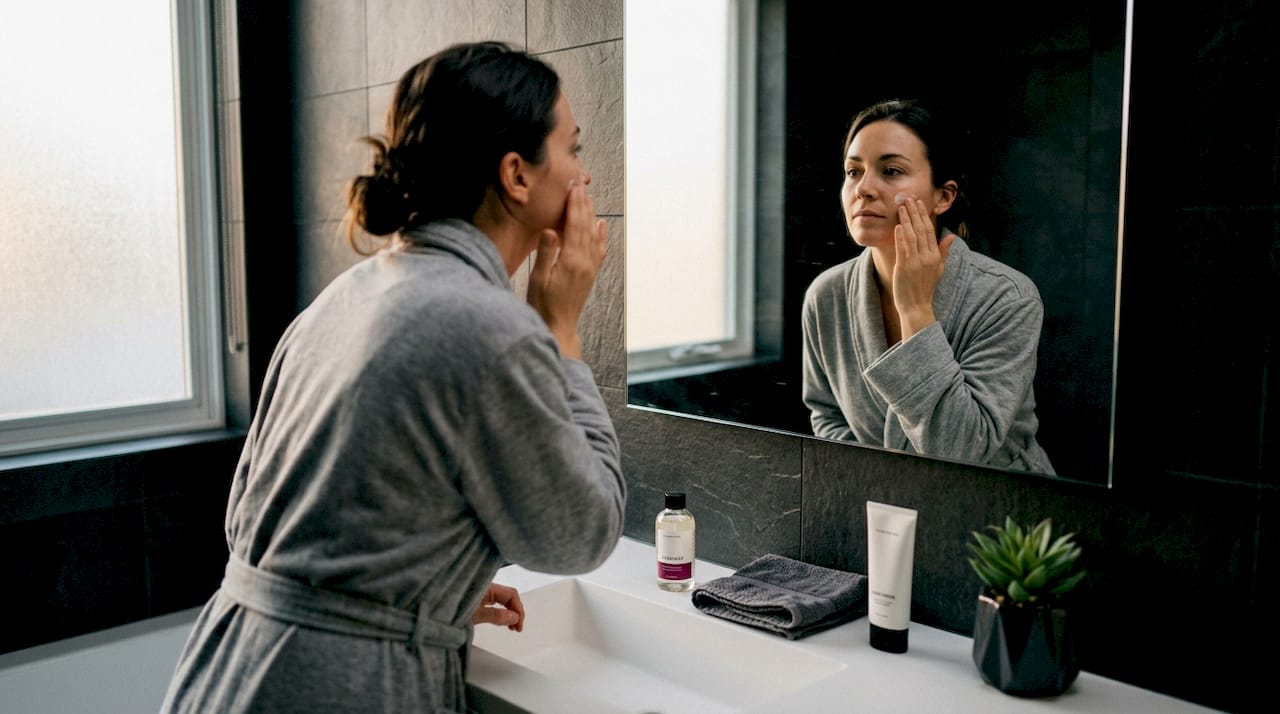
Most people don’t fail at skincare because they’re lazy. They fail because they’re overwhelmed. Between conflicting advice, a shelf full of products, and no clear starting point, building a skin care routine step by step feels harder than it should be. The truth is, your skin doesn’t need 12 products and an elaborate ritual. It needs the right steps, applied consistently, in the right order. This guide cuts through the noise and gives you a practical, expert-backed framework you can start today.
Table of Contents
- Key takeaways
- Skin care routine step by step: know your skin type first
- The essential 3-step routine everyone needs
- Building on the basics: customizing your routine
- Common mistakes that undermine your routine
- What to expect and how to maintain results
- My take on keeping skincare actually manageable
- Start your skincare journey with expert support
- FAQ
Key takeaways
| Point | Details |
|---|---|
| Know your skin type first | Identifying your skin type before buying products prevents wasted money and unnecessary irritation. |
| Three steps cover the basics | Cleansing, moisturizing, and sunscreen form a complete daily skin care regimen for most people. |
| Layer thinnest to thickest | Applying products in the correct order dramatically improves absorption and overall effectiveness. |
| Patience produces results | Visible improvements in texture and hydration typically take 4 to 8 weeks of consistent use. |
| Introduce new products slowly | Adding one active product at a time, waiting 14 days, protects your barrier and prevents reactions. |
Skin care routine step by step: know your skin type first
Before you buy a single product, you need to know what you’re working with. Choosing a cleanser or serum without understanding your skin type is like buying shoes without knowing your size. You might get lucky, but you’ll probably end up with something that doesn’t fit.
The most reliable method at home is the bare face test. Wash your face with a gentle cleanser, pat it dry, and wait 30 minutes without applying anything. Then observe:
- Dry skin feels tight, looks dull, and may show flaking or rough patches
- Oily skin appears shiny all over, especially across the forehead, nose, and chin
- Combination skin has an oily T-zone but feels normal or dry on the cheeks
- Normal skin feels balanced, neither tight nor greasy, with minimal visible pores
- Sensitive skin reacts to products with redness, stinging, or itching, regardless of oiliness
Your skin type determines which cleanser to reach for, how rich your moisturizer should be, and which treatments are safe to use. Someone with dry skin and someone with acne-prone oily skin need completely different products, even at step one. Getting this right from the start is what separates a routine that works from one that sits unused on the shelf.
Pro Tip: Your skin type can shift with seasons, age, and hormonal changes. Reassess every few months rather than assuming it stays constant year after year.
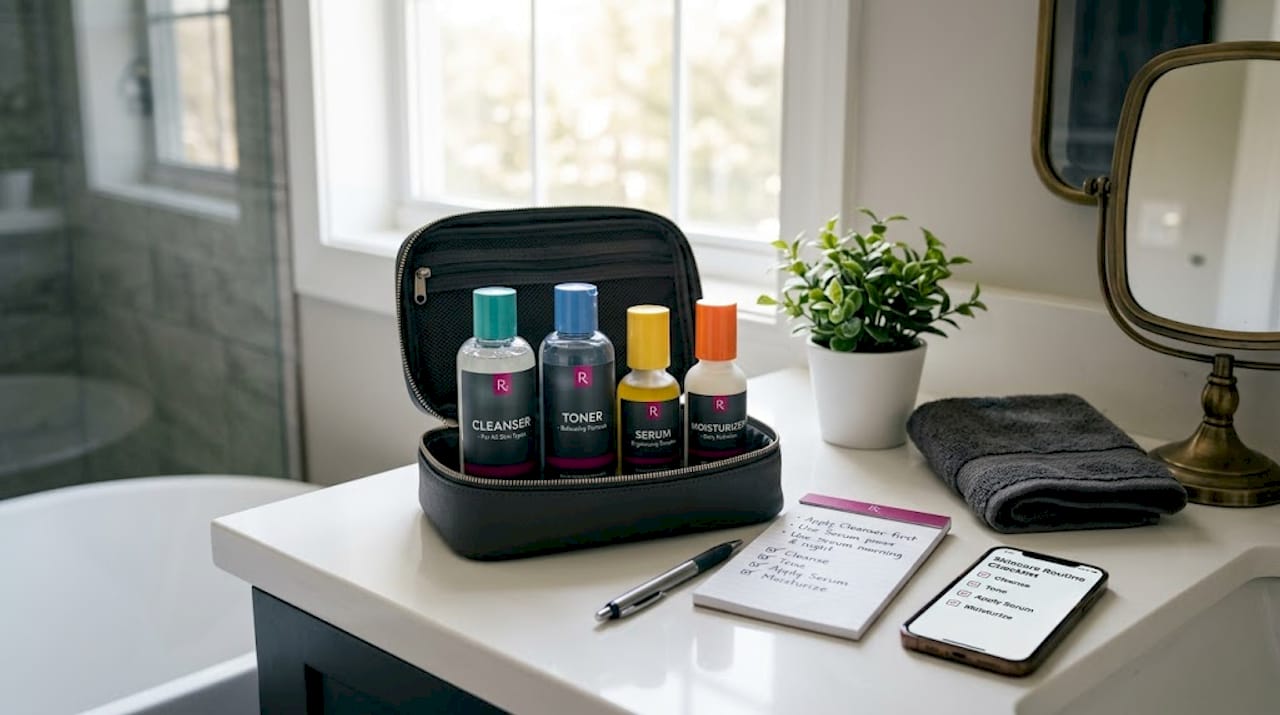
Sensitive skin deserves a specific callout here. According to dermatological guidance, sensitive skin benefits most from gentleness and barrier support rather than active treatments. If you’re reactive, build your routine around calming, fragrance-free basics before adding anything more potent.
The essential 3-step routine everyone needs
Here’s what most skincare marketing won’t tell you: the minimum effective routine takes less than five minutes and requires only three products. Everything beyond that is optional. These three steps form the foundation of any complete skin care regimen, regardless of your skin type or goals.
-
Cleanse. Start with a gentle, pH-balanced cleanser suited to your skin type. Gel cleansers work well for oily skin. Cream or milk cleansers suit dry and sensitive skin better. Cleanse once in the morning and once at night. Morning cleansing removes overnight buildup and sweat. Evening cleansing removes sunscreen, makeup, pollution, and everything your skin collected during the day. Avoid anything with sulfates or alcohol if your skin leans sensitive or dry.
-
Moisturize. The single most misunderstood step in skincare is moisturizer. Many people with oily skin skip it, thinking it will make them oilier. The opposite is true. Every skin type needs hydration to maintain a healthy barrier and prevent inflammation. Oily skin that skips moisturizer often overproduces oil to compensate for dehydration. Apply your moisturizer within 60 seconds of cleansing while your skin is still slightly damp. That small habit makes a measurable difference in how much moisture your skin actually retains.
-
Sunscreen. Every morning. No exceptions. Sun protection is the single most effective anti-aging product available, and it prevents far more than wrinkles. Broad-spectrum SPF 30 or higher blocks UV damage that causes pigmentation, collagen breakdown, and skin cancer. This step applies even when you’re indoors, even in winter, and even on cloudy days. UV rays pass through windows and scatter through clouds. The dermatologists at Raodermatology’s blog on recommended routines consistently emphasize this step as non-negotiable.
Pro Tip: If you hate the way sunscreen feels, you probably haven’t found the right formula yet. Try a lightweight fluid SPF for oily skin or a moisturizing SPF lotion for dry skin. The texture difference is significant.
Building on the basics: customizing your routine
Once you have the three-step foundation locked in, you can start layering additional products to address specific concerns like dullness, uneven tone, fine lines, or breakouts. The key is knowing the correct order and not overloading your skin at once.
Product application order
Always apply products thinnest to thickest, and let each layer absorb for 30 to 60 seconds before applying the next. Water-based products go before oil-based ones. A practical morning order looks like this:
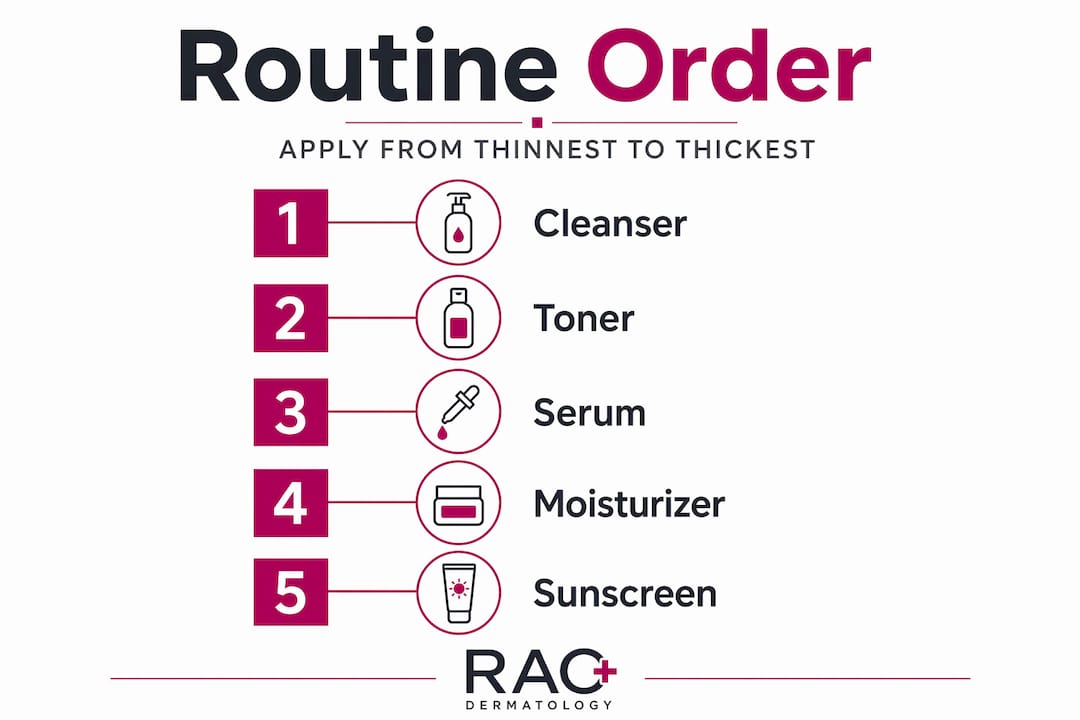
| Step | Product type | Purpose |
|---|---|---|
| 1 | Cleanser | Remove overnight debris and prep skin |
| 2 | Toner (optional) | Balance pH, add light hydration |
| 3 | Vitamin C serum | Brighten tone, protect against oxidative damage |
| 4 | Eye cream (optional) | Target fine lines and puffiness around the eyes |
| 5 | Moisturizer | Seal in hydration and support the barrier |
| 6 | Sunscreen | Protect from UV damage throughout the day |
For your evening routine, swap the vitamin C serum for a treatment product. Retinol and exfoliating acids like niacinamide or AHA/BHA work better at night because some are photosensitive and your skin’s repair cycle peaks while you sleep.
A few layering rules worth knowing
- Never mix retinol with vitamin C or AHA/BHA in the same application. Use them on alternating nights until your skin adjusts.
- Niacinamide pairs well with almost everything and is a good starting point for beginners exploring serums.
- Eye creams go on before moisturizer because the skin around the eye is thin and needs targeted, lighter formulas first.
- If you’re new to actives, pick one and stick with it. Introduce one new product at a time, waiting at least 14 days before adding another. This protects your barrier and helps you identify what’s working.
Pro Tip: Patch test every new product on your inner wrist or behind your ear for 24 hours before applying it to your face. It takes 30 seconds and can save you days of irritation.
Seasonal adjustments matter here too. You might switch from a lightweight gel moisturizer in summer to a richer cream in winter. Your routine doesn’t have to be static. Check out Raodermatology’s advice on updating your routine seasonally for practical guidance on when and how to adjust.
Common mistakes that undermine your routine
Even people who follow a routine can sabotage their own progress without realizing it. These are the most common mistakes, and they’re all correctable.
- Over-cleansing. Washing your face more than twice a day strips the natural oils your skin needs to stay balanced. This weakens the skin barrier and often triggers more breakouts or dryness.
- Skipping moisturizer or SPF. These two steps are the most commonly skipped, and they’re also the two that matter most for long-term skin health. No serum will compensate for missing them.
- Layering incompatible ingredients. Mixing retinol with vitamin C or benzoyl peroxide with AHA can cause irritation, redness, and barrier damage. Learn which actives work together before combining them.
- Expecting instant results. This is the biggest trap. Most people abandon a routine after two weeks because they don’t see change yet. Real improvement takes longer.
- Using too many products. More products create more opportunities for irritation and make it harder to identify what’s helping or hurting. Simplicity consistently outperforms complexity in long-term skin health.
“If your skin suddenly reacts with redness, burning, or new breakouts after adding a product, stop using it. Go back to your basic three steps for a week to let your barrier recover before trying again.”
Knowing when to adjust your routine is just as important as knowing how to build it. If persistent irritation, acne, or unusual changes don’t respond to product swaps within a few weeks, that’s a signal to consult a dermatologist rather than keep experimenting on your own.
What to expect and how to maintain results
Setting realistic expectations is what keeps people consistent. If you start your routine expecting clear, glowing skin in one week, you’ll quit. If you understand the actual timeline, you’ll stay the course.
- Weeks 1 to 2: Your skin is adjusting. You may notice minor breakouts or dryness as your skin acclimates to new products. This is normal and usually temporary.
- Weeks 3 to 4: Hydration and texture begin to improve. Skin feels softer and looks more even. These changes are subtle but measurable.
- Weeks 5 to 8: Measurable improvements in hydration, texture, and clarity become visible. Research points to a 67% improvement in hydration and a 45% reduction in fine lines after 8 weeks of consistent core product use.
- Months 3 and beyond: Pigmentation fades more noticeably, pores look refined, and skin tone evens out. This is where the real payoff lives.
- Ongoing maintenance: Adjust product richness with the seasons, add or remove actives based on your current skin concerns, and schedule an annual dermatology check to catch anything that needs professional attention.
The key principle here is that consistency beats intensity every time. A simple three-step routine done every day beats an elaborate 10-step routine done twice a week. Sustainable habits produce lasting results.
My take on keeping skincare actually manageable
I’ve seen it happen too many times: someone invests in 8 new products, follows a complex routine for 10 days, and quits when their skin breaks out or they run out of time. The routine wasn’t the problem. The complexity was.
In my experience, the people with the best skin aren’t following the most elaborate routines. They’re following the simplest ones, consistently. When I work through skin concerns with patients, the first question I ask isn’t “what products are you using?” It’s “which steps are you actually doing every day?” That answer tells me everything.
The skincare industry benefits when you believe you need more. The reality is that your skin barrier is resilient. It responds to gentle, consistent care. Chasing every new ingredient or trend disrupts that. Understanding how your own skin behaves, season to season and year to year, is worth more than any single product on the market.
If you find yourself with 12 products and no clear routine, strip back to the three core steps for two weeks. Pay attention to how your skin responds without all the noise. Then add back only what you genuinely need. That’s not oversimplifying. That’s doing it right.
— Krunal
Start your skincare journey with expert support

A solid daily skin care guide gets you far, but some concerns need more than products. Raodermatology, founded by Dr. Babar K. Rao with over 25 years of clinical experience, offers both medical and cosmetic dermatology services across California, New Jersey, and New York. Whether you’re managing persistent acne, sun damage, or simply want a personalized routine built by a specialist, the team provides expert-backed care you can trust. For those interested in professional treatments to complement their daily routine, explore Raodermatology’s facial and esthetic services designed to work alongside what you’re doing at home. When products alone aren’t enough, professional guidance makes all the difference.
FAQ
What is the correct order for a skin care routine?
Apply products from thinnest to thickest texture: cleanser, toner, serum, eye cream, moisturizer, and sunscreen in the morning. At night, swap sunscreen for a treatment product like retinol or an exfoliating acid.
How long does it take to see results from a skin care routine?
Most people see measurable improvements in hydration and texture after 4 to 8 weeks of consistent use. Fine lines and pigmentation take longer, often improving noticeably around the 3-month mark.
Do I need moisturizer if I have oily skin?
Yes. Every skin type needs moisturizer to maintain a healthy barrier. Oily skin that skips moisturizer often overproduces oil to compensate for dehydration, which can worsen shine and breakouts.
How many new products can I add to my routine at once?
Add one new product at a time and wait at least 14 days before introducing another. This protects your skin barrier and makes it easier to identify which product is causing any reaction.
Is sunscreen really necessary indoors?
Yes. UV rays penetrate windows and scatter on cloudy days, meaning indoor exposure still contributes to skin aging and pigmentation. Broad-spectrum SPF 30 or higher should be applied every morning regardless of weather or plans.
Recommended
- Dermatologist-Recommended Skincare Routines for Healthier Skin | Rao Dermatology
- National Healthy Skin Month: Essential Dermatologist-Approved Tips for Year-Round Skin Health | Rao Dermatology
- Spring Clean Your Skincare Routine: Expert Tips from Dermatologists | Rao Dermatology
- Essential Vitamins for Healthy, Glowing Skin: A Dermatologist’s Guide | Rao Dermatology
Filed under: