
Discover what seborrheic dermatitis is, its symptoms, and effective treatments to manage this common skin condition for better skin health.
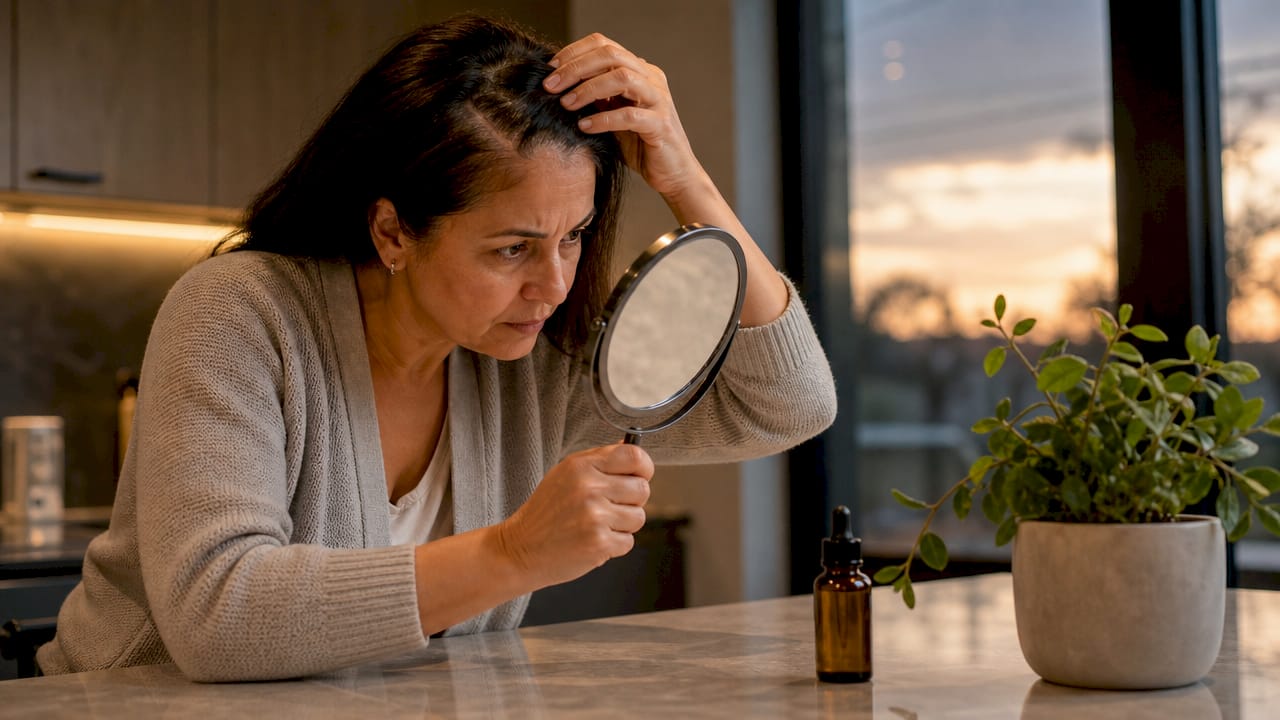
Seborrheic dermatitis is a chronic inflammatory skin condition that causes red, flaky, itchy patches on areas rich in sebaceous glands, particularly the scalp, face, and upper chest. It affects 1%–3% of the general population, though that number climbs sharply in people with Parkinson’s disease and other neurological conditions. More than 4 million patients seek medical care for it each year in the United States, generating $339 million in healthcare costs. The condition does not go away permanently, but with the right approach, most people can keep it well controlled and live comfortably.
What is seborrheic dermatitis and how does it present?
Seborrheic dermatitis is defined as a relapsing inflammatory dermatosis driven by an abnormal immune response to Malassezia yeast, a fungus that lives naturally on human skin. The word “seborrheic” refers to sebaceous gland-rich zones, not to excess oil production. Many people with the condition have completely normal sebum levels. The inflammation comes from how the immune system reacts to yeast byproducts, not from oiliness itself.
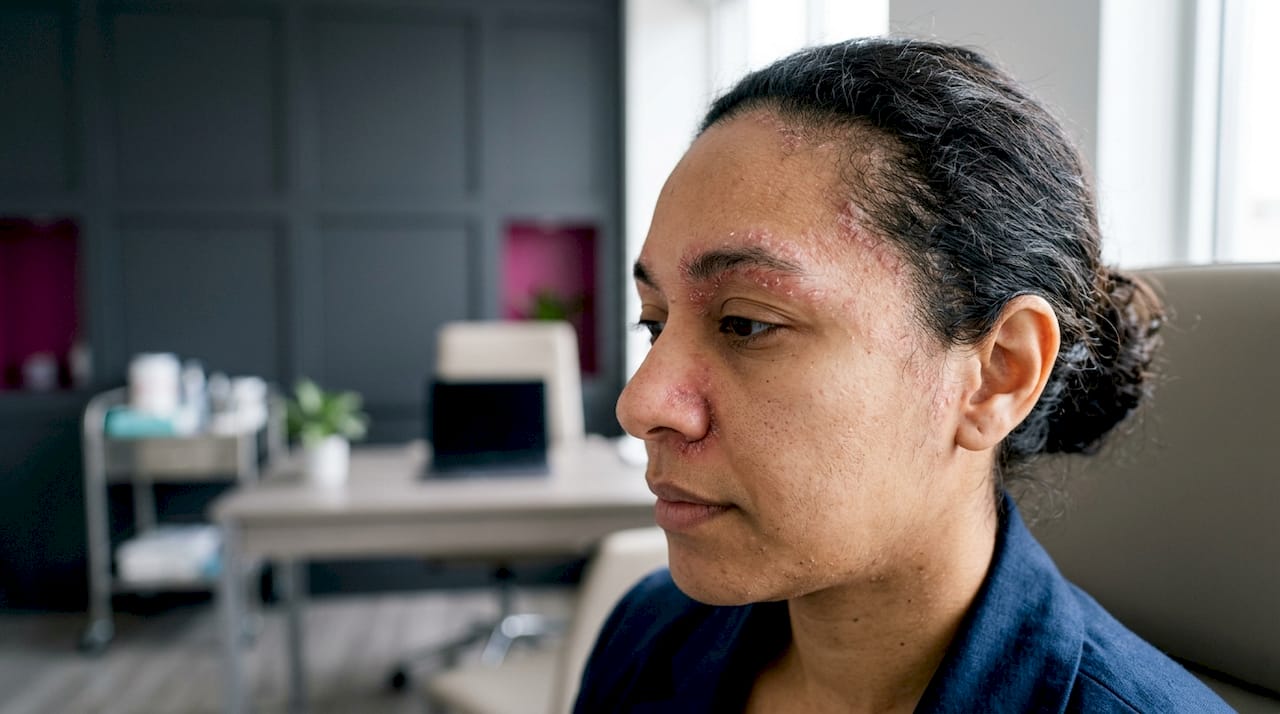
The condition appears most often on the scalp, the sides of the nose, eyebrows, ears, eyelids, and the center of the chest. On the scalp, it produces the thick, greasy flakes most people recognize as severe dandruff. On the face, it tends to show up as red, slightly raised patches with a yellowish or white scale. The upper back and chest can also develop similar patches, especially in adults with oily skin.
Recognizing the symptoms
The core symptoms of seborrheic dermatitis include:
- Flaky skin on the scalp, hair, eyebrows, beard, or mustache, ranging from fine white flakes to thick, greasy yellow scales
- Red or pink patches on the skin, often with a slightly inflamed border
- Itching or burning, which can range from mild to severe during flare-ups
- Greasy-looking skin covered with white or yellowish scales in affected areas
- Crusting on the scalp, especially in infants (commonly called cradle cap)
Symptoms vary by skin tone. In skin of color, redness may be less visible, and pigment changes such as hypopigmentation or hyperpigmentation may be the most noticeable sign. This makes diagnosis harder in darker skin tones and is a reason to see a dermatologist rather than self-diagnose.
Pro Tip: If you notice patchy discoloration without obvious redness, especially on darker skin, do not assume it is just dry skin. A dermatologist can distinguish seborrheic dermatitis from other pigment-altering conditions with a clinical exam.
What causes seborrheic dermatitis and who is at risk?
The pathophysiology of seborrheic dermatitis involves three overlapping factors: overgrowth of Malassezia yeast, skin barrier dysfunction, and an exaggerated immune response. No single factor alone causes the condition. All three interact, which is why treatment targeting only one pathway often produces incomplete results.
Malassezia yeast metabolizes skin lipids and releases fatty acids that irritate the skin. In people with a weakened skin barrier or a genetically primed immune system, those fatty acids trigger inflammation. The result is the redness, scaling, and itch that define the condition.
Several factors increase susceptibility:
- Neurological conditions. Seborrheic dermatitis affects up to 59% of people with Parkinson’s disease. The connection likely involves altered sebum composition and reduced facial movement, which traps yeast in skin folds.
- Immune suppression. People living with HIV experience seborrheic dermatitis at significantly higher rates than the general population, and their flares tend to be more severe.
- Stress. Psychological stress suppresses local immune defenses in the skin and is a well-documented trigger for flare-ups.
- Cold, dry weather. Low humidity reduces the skin’s natural moisture barrier, making it easier for Malassezia to proliferate.
- Genetics. A family history of the condition raises personal risk, though no single gene has been identified as the cause.
“Seborrheic” does not mean the skin is producing too much oil. The inflammatory response to normal levels of Malassezia yeast drives symptoms. Patients who wash less because they think their skin is “too dry” often make flares worse, not better.
How does seborrheic dermatitis differ from dandruff, psoriasis, and eczema?
Seborrheic dermatitis is frequently confused with three other conditions: dandruff, psoriasis, and eczema. Each has distinct features that a dermatologist uses to tell them apart. Getting the diagnosis right matters because the treatments differ significantly. For a deeper look at two of those conditions, the psoriasis vs. eczema comparison at Raodermatology covers the key differences in detail.
| Feature | Seborrheic dermatitis | Dandruff | Psoriasis | Eczema |
|---|---|---|---|---|
| Scale color | Yellow, greasy | White, dry | Silver-white | White or clear |
| Skin redness | Moderate | Minimal | Pronounced | Moderate to severe |
| Location | Scalp, face, chest | Scalp only | Scalp, elbows, knees | Flexural areas, hands |
| Itch level | Moderate | Mild | Moderate to severe | Severe |
| Age of onset | Infants, adults 30–70 | Any age | Any age | Often childhood |
| Contagious? | No | No | No | No |
Dandruff is the mildest form of scalp seborrheic dermatitis. It produces dry white flakes without significant redness or inflammation. Psoriasis produces thicker, silvery-white plaques and tends to appear on the elbows and knees, not just the scalp and face. Eczema, or atopic dermatitis, causes intense itch and typically appears in skin folds like the inner elbows and behind the knees.
Pro Tip: Seborrheic dermatitis is not contagious. You cannot catch it from another person, and sharing a comb or pillow does not spread it. The condition comes from within, driven by your own immune response and skin microbiome.
How to treat seborrheic dermatitis effectively
Seborrheic dermatitis has no permanent cure, but it is chronic and relapsing by nature, meaning the goal of treatment is control, not elimination. Stopping treatment when symptoms clear almost always leads to a flare within weeks. Patients who understand this from the start tend to do far better long-term.
Antifungal treatments
Topical antifungals like ketoconazole 2% cream are the gold-standard first-line treatment. They work by reducing Malassezia yeast on the skin surface, which lowers the inflammatory trigger. Ketoconazole is available as a shampoo, cream, and foam, making it adaptable to different affected areas. Other antifungal options include ciclopirox, selenium sulfide, and zinc pyrithione shampoos. For patients managing flares with topical antifungal medications, understanding how each formulation works helps with adherence.
Corticosteroids and calcineurin inhibitors
Topical corticosteroids reduce inflammation quickly and are useful during active flare-ups. On the body and scalp, low-to-moderate potency steroids are generally safe for short-term use. On the face, the rules change. Facial seborrheic dermatitis requires caution: strong corticosteroids can cause irreversible skin thinning. Mild hydrocortisone is the maximum recommended strength for facial use. For long-term facial maintenance, calcineurin inhibitors such as tacrolimus or pimecrolimus are safer alternatives that do not carry the thinning risk.
Scalp hygiene and maintenance
- Shampoo at least twice weekly. Infrequent washing encourages yeast proliferation and worsens flare-ups. The common instinct to wash less to “protect” an irritated scalp is counterproductive.
- Use medicated shampoos consistently, even when symptoms are mild.
- Rotate between two different active ingredients (for example, ketoconazole and zinc pyrithione) to reduce the chance of reduced effectiveness over time.
- Apply shampoo to a wet scalp and leave it on for at least 5 minutes before rinsing.
Pro Tip: Antifungal shampoos left on for less than 5 minutes are significantly less effective. Set a timer. Most people rinse too quickly and then wonder why the product is not working.
How seborrheic dermatitis affects different age groups
Seborrheic dermatitis appears most frequently in two distinct age windows: infants in the first three months of life, and adults between ages 30 and 70. The condition is uncommon between age one and adolescence.
| Age group | Common name | Typical location | Usual course |
|---|---|---|---|
| Infants (0–3 months) | Cradle cap | Scalp, diaper area, skin folds | Usually resolves within months |
| Children (1–12 years) | Rare presentation | Scalp | Uncommon; resolves before puberty |
| Adults (30–70 years) | Seborrheic dermatitis | Scalp, face, chest, back | Chronic, relapsing |
| Older adults (70+) | Seborrheic dermatitis | Scalp, face | Often worsens with neurological decline |
In infants, cradle cap appears as thick, yellowish, crusty patches on the scalp. It looks alarming but is not painful or itchy for the baby. Most cases resolve on their own within the first year without medical treatment. Gentle shampooing and soft brushing to loosen scales are usually sufficient.
In adults, the condition follows a chronic course with periods of remission and flare. Stress, illness, seasonal changes, and stopping treatment are the most common triggers for relapse. Adults with Parkinson’s disease or HIV face more severe and persistent presentations that require closer dermatological management. For a practical overview of managing dermatitis in adults, Raodermatology’s clinical blog covers proven strategies across skin types.
Key Takeaways
Seborrheic dermatitis is a chronic, relapsing inflammatory condition driven by Malassezia yeast, immune overreaction, and skin barrier dysfunction, and it requires ongoing maintenance treatment to stay controlled.
| Point | Details |
|---|---|
| Core cause | Malassezia yeast triggers immune inflammation, not excess oil production. |
| High-risk groups | People with Parkinson’s disease, HIV, or chronic stress face more severe flares. |
| Gold-standard treatment | Ketoconazole 2% antifungal cream or shampoo is the first-line clinical recommendation. |
| Scalp hygiene rule | Shampoo at least twice weekly and leave antifungal products on for 5 minutes before rinsing. |
| Facial treatment caution | Avoid strong corticosteroids on the face; use mild hydrocortisone or calcineurin inhibitors instead. |
What I have learned from years of watching patients manage this condition
The single biggest mistake I see is patients treating seborrheic dermatitis like an infection they can cure and be done with. They use ketoconazole shampoo for two weeks, symptoms clear, they stop, and six weeks later they are back in the office wondering why it returned. The condition is not a one-time problem. It is a long-term relationship with your skin.
The second mistake is under-washing out of misplaced caution. Patients with an irritated, flaky scalp often cut back on shampooing because washing feels harsh. That instinct backfires every time. Yeast thrives when washing is infrequent, and the flare gets worse. Regular cleansing with the right medicated product is not aggressive. It is maintenance.
What gives me confidence is how well most patients do once they genuinely understand the condition. When someone knows that the goal is control, not cure, and that consistency beats intensity, their outcomes improve dramatically. Recent research into the skin microbiome and newer calcineurin inhibitor formulations is also expanding what dermatologists can offer. The treatment picture keeps getting better.
— Krunal
Raodermatology’s approach to seborrheic dermatitis care
Seborrheic dermatitis can look like several other skin conditions, and an accurate diagnosis is the foundation of effective treatment.

Raodermatology offers advanced dermatopathology services that go beyond a visual exam to confirm what is actually happening in the skin at a cellular level. With more than 25 years of experience across California, New Jersey, and New York, the practice builds individualized treatment plans for chronic skin conditions like seborrheic dermatitis. Whether you are dealing with a first flare or a condition that has not responded to over-the-counter products, the team at Raodermatology provides the clinical depth to get it right. Explore the full range of dermatology services available across all locations.
FAQ
What is seborrheic dermatitis in simple terms?
Seborrheic dermatitis is a chronic skin condition that causes red, flaky, itchy patches, mainly on the scalp, face, and chest. It is driven by an immune reaction to Malassezia yeast that naturally lives on the skin.
Is seborrheic dermatitis contagious?
Seborrheic dermatitis is not contagious. It cannot be passed from person to person through contact, shared items, or proximity.
What triggers a seborrheic dermatitis flare-up?
Common triggers include stress, cold or dry weather, infrequent shampooing, illness, and stopping treatment abruptly. Neurological conditions like Parkinson’s disease also significantly worsen the condition.
How long does it take to treat seborrheic dermatitis?
Symptoms often improve within two to four weeks of consistent antifungal treatment, but the condition is chronic. Ongoing maintenance therapy is required to prevent relapse after symptoms clear.
Can seborrheic dermatitis affect babies?
Yes. In infants, it appears as cradle cap, a crusty yellowish scaling on the scalp. Most cases resolve on their own within the first year of life without medical intervention.
Recommended
Filed under: