
Discover what is dermatology and its vital role in skin health. Learn about skin checks, treatments, and how dermatology can enhance your confidence.
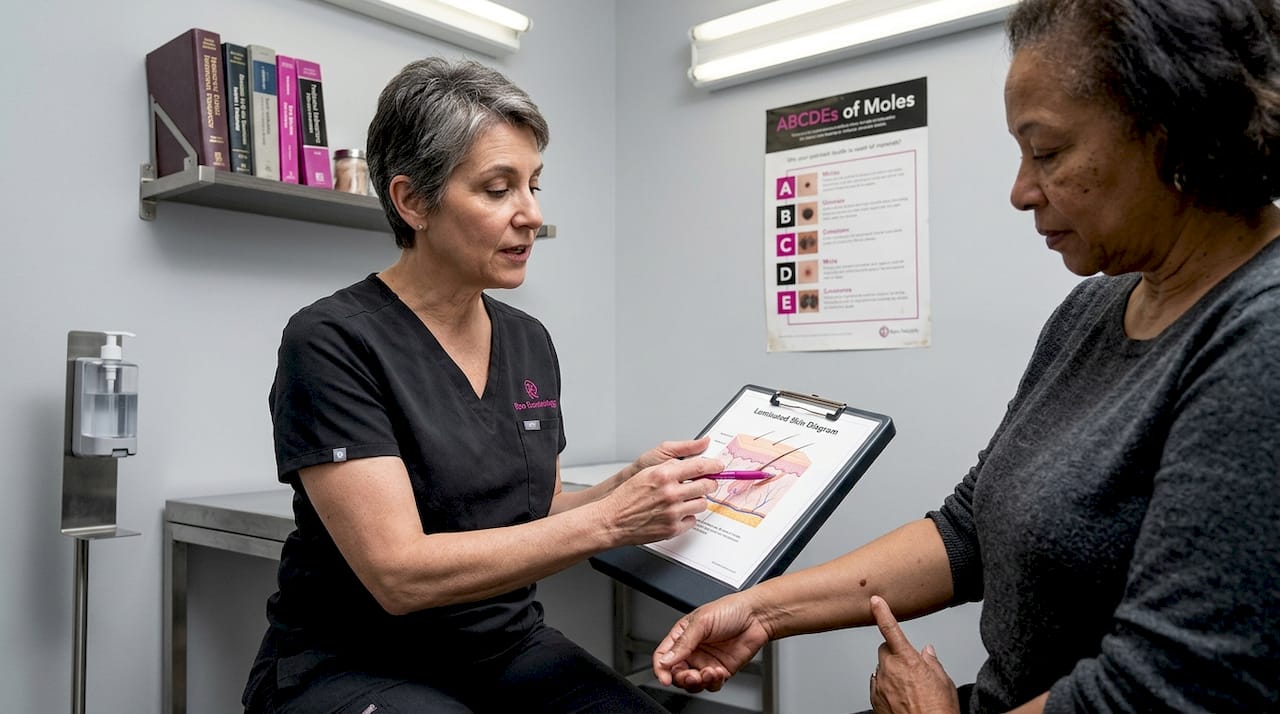
Most people assume dermatology is reserved for treating acne or getting a quick Botox injection. That view misses something critical. Skin is the body’s largest organ, and the conditions that affect it range from manageable inconveniences to life-threatening cancers. Annual skin checks can catch nearly all skin cancers when they’re still curable. Whether you’re living in California, New Jersey, or New York, understanding what dermatology actually covers, from cancer screenings to cosmetic rejuvenation, can be one of the most important steps you take for your long-term health and confidence.
Table of Contents
- Dermatology explained: What it covers and why it matters
- Medical dermatology: Prevention, diagnosis, and care
- Cosmetic dermatology: Enhancing appearance with expertise
- Evolving technologies and the human touch in dermatology
- Perspective: Why the best skin results come from human expertise, not just new tech
- Connect with expert dermatology care in your area
- Frequently asked questions
Key Takeaways
| Point | Details |
|---|---|
| Dermatology is comprehensive | It includes medical, surgical, and cosmetic care to protect and enhance your skin health. |
| Prevention is critical | Annual screenings and daily protection are proven to reduce your risk of serious skin disease. |
| Expertise matters most | Board-certified dermatologists deliver the most accurate diagnoses and effective treatments. |
| Technology supports, not replaces | AI and new tools help, but expert judgment remains essential—especially in complex cases. |
Dermatology explained: What it covers and why it matters
Now that you know dermatology is more than skin deep, let’s break down what this specialty truly involves.
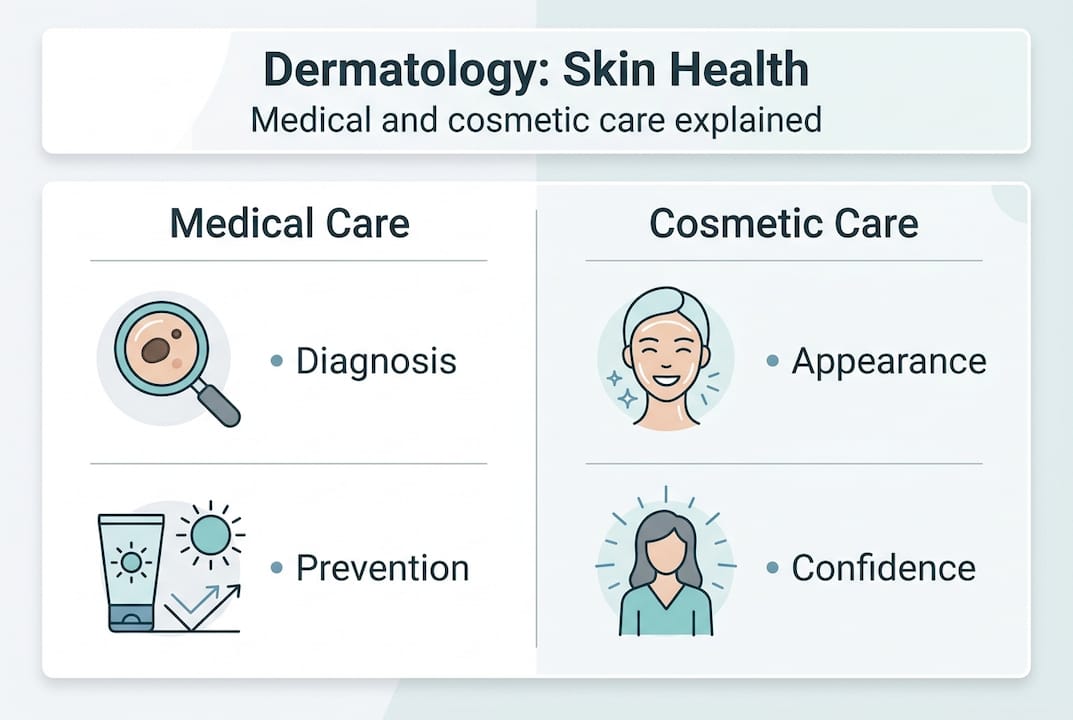
Dermatology is a medical specialty focused on diagnosing and treating conditions that affect the skin, hair, nails, and mucous membranes. That last part surprises many people. Your dermatologist isn’t just looking at the surface; they’re evaluating a complex organ system that reflects what’s happening throughout your entire body. Rashes, unusual moles, sudden hair loss, and even changes in your nails can all signal deeper systemic problems that require prompt attention.
Board-certified dermatologists complete four years of medical school, a year of internship, and then three years of specialized residency training. This means they’re equipped to manage everything from inflammatory diseases like psoriasis and rosacea to life-threatening skin malignancies. According to the American Academy of Dermatology, dermatology integrates medicine, surgery, and cosmetics for comprehensive skin health, and choosing a board-certified specialist (AAD or ABD certified) in California, New Jersey, or New York is the single most important factor for quality cancer prevention and cosmetic outcomes.
Here’s a clearer picture of what falls under dermatology’s umbrella:
- Medical dermatology: Skin cancer detection, eczema, acne, psoriasis, rosacea, dermatitis, and infections
- Surgical dermatology: Mohs surgery for skin cancer, cyst removals, biopsies, and scar revision
- Cosmetic dermatology: Laser treatments, injectables, chemical peels, and skin rejuvenation procedures
- Pediatric dermatology: Conditions specific to children, including birthmarks and genetic skin disorders
- Dermatopathology: Laboratory analysis of skin tissue to reach precise diagnoses
That last point deserves more attention than it usually gets. Dermatopathology is the science of examining skin at the microscopic level, and it’s what separates an educated guess from a confirmed diagnosis. When your dermatologist takes a biopsy, the tissue goes to a lab where a dermatopathologist reads it in detail. This process directly impacts your treatment plan, your prognosis, and sometimes your life.
“Not all skin concerns are cosmetic, and not all cosmetic concerns are trivial. A skilled dermatologist evaluates both with the same level of clinical rigor.”
Expertise matters enormously in this field. A mole that looks benign to an untrained eye might carry warning signs that only a board-certified dermatologist with years of experience would catch. That’s not meant to alarm you. It’s meant to help you understand why choosing the right provider, one with verifiable credentials and a track record across comprehensive dermatology services, is a decision worth making carefully.
Medical dermatology: Prevention, diagnosis, and care
With the basics in mind, here’s how dermatology keeps you healthy and safe through advanced medical care.
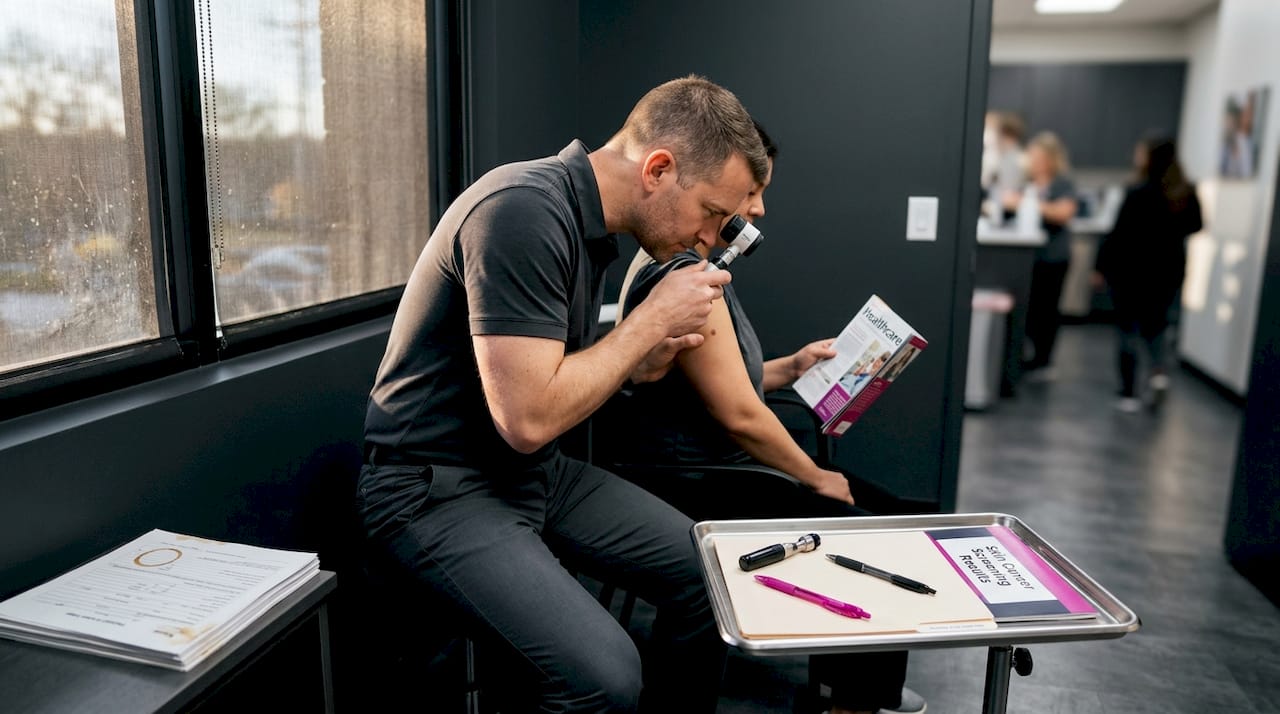
Skin cancer is the most commonly diagnosed cancer in the United States. More than five million cases are treated each year, and the numbers keep rising. Yet most people still don’t schedule annual skin checks. That’s a significant missed opportunity, because early detection is the single most powerful tool we have: catching skin cancer early puts the cure rate at nearly 99%.
Medical dermatology addresses a wide range of conditions beyond cancer. Chronic inflammatory conditions like psoriasis, eczema, and rosacea affect tens of millions of Americans and can significantly reduce quality of life when left untreated. Acne, often dismissed as a teenage problem, can persist well into adulthood and cause lasting scarring if not managed properly. Infections, autoimmune disorders, and even medication reactions all show up on the skin and need precise diagnosis before treatment can begin.
Here’s a look at how common conditions stack up in terms of impact and treatability:
| Condition | Prevalence in the US | Early treatment benefit |
|---|---|---|
| Skin cancer (all types) | 5 million+ cases/year | ~99% curable when caught early |
| Psoriasis | ~7.5 million adults | Significant symptom relief available |
| Eczema/atopic dermatitis | ~31 million Americans | Manageable with proper care plan |
| Acne | ~50 million annually | Prevents scarring with early intervention |
| Rosacea | ~16 million Americans | Triggers identified and controlled |
Prevention strategies in medical dermatology are grounded in solid evidence. Four steps that your dermatologist will likely emphasize:
- Apply broad-spectrum sunscreen daily. SPF 30 or higher protects against both UVA and UVB radiation, even on cloudy days in New York or during foggy Bay Area mornings.
- Wear protective clothing. Long-sleeved shirts and wide-brimmed hats reduce UV exposure substantially, especially if you spend time outdoors.
- Avoid peak UV hours. Between 10 a.m. and 4 p.m., UV radiation is strongest. Seek shade when you can.
- Schedule annual skin cancer screenings. A full-body skin exam takes minutes and can catch changes you’d never notice on your own.
Pro Tip: Use the ABCDE rule to monitor moles at home: Asymmetry, Border irregularity, Color variation, Diameter larger than a pencil eraser, and Evolving appearance. If any of these change, contact your dermatologist promptly.
Diagnostic tools in modern medical dermatology include dermoscopy (magnified visualization of skin lesions), reflectance confocal microscopy, and digital imaging systems that track moles over time. These tools help dermatologists identify subtle changes before they become serious problems. Understanding why seeing a dermatologist regularly is so critical becomes clear when you realize how much information an expert eye can gather from a single focused exam.
Cosmetic dermatology: Enhancing appearance with expertise
While medical care is essential, many seek dermatology for a confidence boost and appearance concerns.
Cosmetic dermatology has evolved far beyond superficial fixes. Modern procedures are precise, evidence-based, and when performed correctly, can produce meaningful improvements in both appearance and emotional well-being. Research consistently shows that addressing visible skin concerns such as hyperpigmentation, volume loss, or wrinkles has measurable positive effects on self-image, social confidence, and even mental health outcomes.
What separates cosmetic dermatology from the broader aesthetics industry is medical oversight. When a board-certified dermatologist oversees or performs cosmetic procedures, you benefit from a clinical understanding of skin anatomy, underlying health conditions, and potential interactions that a non-medical provider simply cannot offer. Cosmetic dermatology pairs best with medical care, because an experienced specialist can spot warning signs that should be addressed before or alongside any aesthetic treatment.
Common cosmetic dermatology treatments include:
- Botulinum toxin injections (Botox, Dysport): Relax muscles that cause dynamic wrinkles like forehead lines and crow’s feet
- Dermal fillers (Juvederm, Restylane): Restore volume in areas like the cheeks, lips, and under-eye region
- Laser resurfacing: Treats fine lines, sun damage, acne scars, and uneven skin tone
- Chemical peels: Remove the outer layer of damaged skin to reveal smoother, more even-toned skin underneath
- Microneedling: Stimulates collagen production to improve texture and firmness
- Photodynamic therapy: Uses light to treat precancerous lesions and certain types of acne
Here’s how cosmetic and medical dermatology compare in terms of goals and approaches:
| Factor | Medical dermatology | Cosmetic dermatology |
|---|---|---|
| Primary goal | Diagnose and treat disease | Improve appearance and confidence |
| Insurance coverage | Often covered | Typically out of pocket |
| Urgency | Can be urgent or time-sensitive | Usually elective |
| Oversight required | Always medical | Should always have medical oversight |
| Example procedures | Biopsies, Mohs surgery | Fillers, lasers, peels |
Artificial intelligence is beginning to appear in cosmetic dermatology apps and platforms that claim to analyze your skin and recommend treatments. While some of these tools show promise, they lack the ability to account for individual health history, skin tone variations, and subtle clinical nuances. AI emerging in cosmetic care is a real and useful development, but human experts remain essential for safety and personalized results.
Pro Tip: Before any cosmetic procedure, ask your provider about their medical training and credentials. Treatments performed by board-certified dermatologists carry a fundamentally different level of safety oversight compared to med spas without physician oversight.
Evolving technologies and the human touch in dermatology
As dermatology evolves, technology is transforming care, but it’s critical to know where expert judgment makes all the difference.
Technology is reshaping how dermatologists detect, diagnose, and treat skin conditions. Artificial intelligence tools can now analyze thousands of skin images in seconds and flag potential lesions for review. Digital dermoscopy platforms track moles over months and years. Genetic testing can identify inherited cancer risks. These advances are genuinely valuable. They help doctors see more, catch more, and act faster.
But here’s what the data also tells us: AI aids diagnosis, yet expert dermatologists consistently outperform algorithms in complex, context-dependent cases. Two categories where AI still struggles significantly are amelanotic melanoma (a rare, colorless form of skin cancer that looks nothing like the typical dark spots shown in training datasets) and patients with darker skin tones, whose presentation of skin conditions is often underrepresented in the image libraries used to train AI systems.
This isn’t a small gap. Missed diagnoses in these populations can be life-altering. A dermatologist who has seen hundreds of edge cases, who can place a lesion in the context of your family history, your sun exposure history, and your overall health picture, brings something no algorithm currently replicates.
Here’s how to use technology wisely as a patient:
- Use AI skin apps as a starting point, not a final answer. If an app flags something, book an appointment. If it doesn’t, still go to your annual check.
- Ask your dermatologist which diagnostic tools they use. Practices using digital dermoscopy and teledermatology platforms often catch more with greater accuracy.
- Understand that guidelines evolve. For example, narrower excision margins are now considered safe for thin melanomas, meaning some patients avoid more aggressive surgery without any survival trade-off. Your board-certified dermatologist stays current on these updates.
- Don’t assume newer equals better. Some of the most powerful diagnostic tools in dermatology remain the trained human eye and a careful patient history.
“Technology gives us more data. Expert dermatologists give that data meaning.”
The role of board-certified dermatologists in interpreting technology results cannot be overstated. They contextualize findings, weigh risk factors, and make judgment calls that require years of clinical exposure to get right. Tools assist the process. They don’t replace it.
Perspective: Why the best skin results come from human expertise, not just new tech
Given all the innovations, it’s worth stepping back and asking what actually leads to great skin health outcomes.
There’s a tempting narrative in 2026 that technology will solve everything. Smart devices, AI diagnostics, algorithm-driven treatment plans. We’ve seen these tools improve access and speed. That’s real and important. But we’ve also seen what happens when patients trust an app over an appointment and miss something that turns out to be melanoma.
The truth is, the most advanced tool in dermatology is still a board-certified specialist who knows their patient. Someone who notices that your stress levels have spiked and connects that to a new flare of your psoriasis. Someone who recognizes that the lesion on your forearm doesn’t fit the classic pattern, and that’s exactly why it needs a biopsy.
We’ve spent over 25 years in this field, and the patients who achieve the best outcomes are the ones who build a relationship with a trusted dermatologist, not the ones who optimize their skincare routine based on a quiz. Technology enhances care when it’s in the right hands. Explore how prevention and aesthetics in dermatology work together when guided by qualified expertise, and you’ll understand why the human element is never optional.
Connect with expert dermatology care in your area
Ready to prioritize your skin health?
At Rao Dermatology, we serve patients across California, New Jersey, and New York with over 25 years of experience in both medical and cosmetic skin care. Whether you need a thorough skin cancer screening, treatment for a chronic condition, or a cosmetic procedure to feel more like yourself, our team is equipped to guide you with precision and care.
Explore our range of dermatology services to find the right fit for your needs. If you’re considering aesthetic treatments, our cosmetic dermatology options are performed under full medical oversight by experienced specialists. For those who need advanced tissue analysis, our expert skin diagnostics team offers precise dermatopathology services that support accurate treatment decisions. Your skin deserves more than guesswork. Book a consultation today.
Frequently asked questions
Is annual skin cancer screening really necessary if I feel fine?
Yes. Annual screenings catch skin cancers when they’re nearly 99% curable, even when you have zero symptoms, because early-stage skin cancer rarely causes pain or visible alarm.
What should I look for in a dermatologist in California, New Jersey, or New York?
Prioritize a board-certified specialist through the AAD or ABD, as certification confirms verified training in both prevention and advanced cosmetic and medical procedures.
Are cosmetic skin treatments safe?
Cosmetic procedures are safest when a licensed dermatologist with medical training performs or directly oversees them, since medical oversight in cosmetics significantly reduces complication risk compared to non-medical settings.
Can AI or online tools replace dermatologist visits for diagnosis?
No. While AI can assist, expert dermatologists outperform algorithms in rare presentations and complex cases, making in-person diagnosis by a qualified specialist irreplaceable for accurate, personalized results.
Recommended
- Dermatopathology explained: How it guides better skin health | Rao Dermatology
- Medical Dermatology vs Cosmetic Dermatology: Understanding the Key Differences | Rao Dermatology
- Medical Dermatology Essentials: Prevention, Treatment & Aesthetics | Rao Dermatology
- National Healthy Skin Month: Essential Dermatologist-Approved Tips for Year-Round Skin Health | Rao Dermatology
Filed under: