
Discover specialized skin care with High Country Healthcare, offering expert dermatology services from annual screenings to cosmetic treatments.
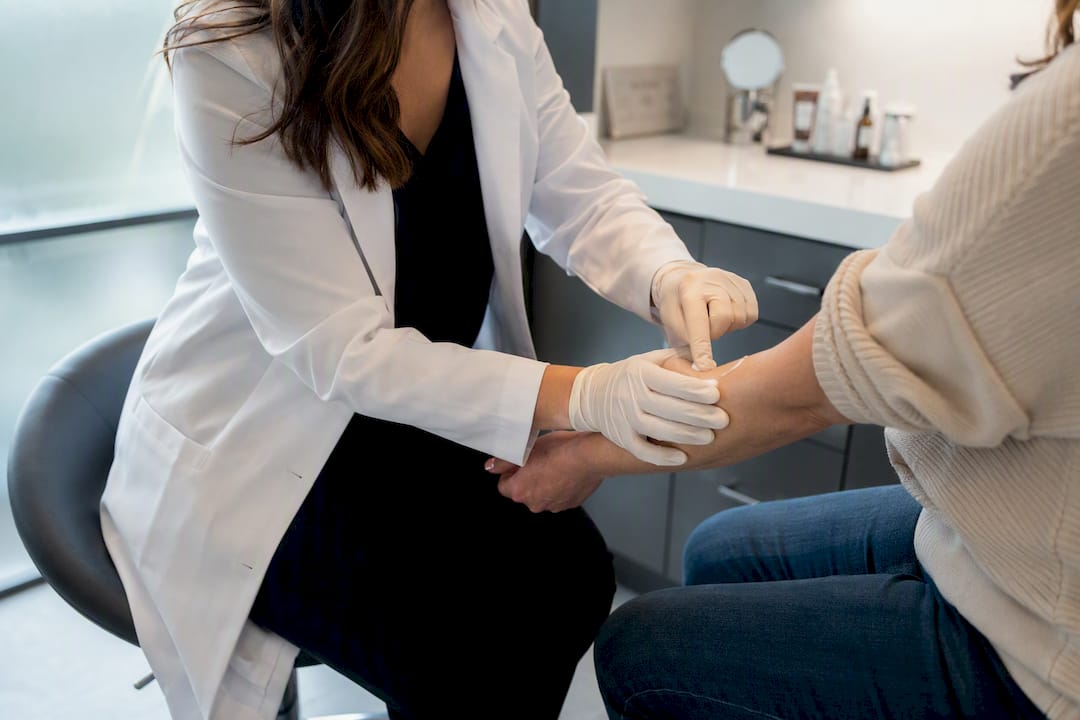
If you searched “high country healthcare” looking for skin care, here’s the direct answer: it points to comprehensive dermatology, medical and cosmetic, delivered by a multi-location practice rather than a single general clinic. That means annual skin cancer screening, ongoing management of conditions like psoriasis and dermatitis, and cosmetic consults for anything from injectables to laser treatment. Rao Dermatology, led by Dr. Babar K. Rao, is built around exactly that model, with offices spanning California, New Jersey, and New York.
Some situations call for booking now rather than waiting for your next annual visit:
- A mole or spot that’s new, growing, or changing shape or color
- A rash or patch of skin that hasn’t responded to over-the-counter treatment after a few weeks
- Curiosity about cosmetic options like fillers, laser resurfacing, or chemical peels
Key Takeaways
Effective dermatology care combines annual professional screening, consistent self-checks, and a long-term treatment relationship rather than one-off visits.
| Point | Details |
|---|---|
| Annual exams are the baseline | Get a full-body skin check yearly, more often if you carry higher skin cancer risk factors. |
| Self-checks fill the gaps | Check your own skin every 3 to 6 months between professional visits and note any changes. |
| Chronic conditions need a plan | Psoriasis and dermatitis often require staged treatment, from topicals up to biologics or phototherapy. |
| Prep improves accuracy | Remove nail polish, skip heavy hair products, and bring photos of any changing spots. |
| Rao Dermatology covers both tracks | Dr. Babar K. Rao’s multi-location practice handles medical screening and cosmetic consults in one place across CA, NJ, and NY. |
This article is general information, not a substitute for advice from a qualified doctor. Consult a qualified healthcare professional about your own circumstances before acting on anything here.
Table of Contents
- Who Needs a Dermatologist Appointment, and How Often?
- What Happens During Your First Dermatology Visit?
- How Do Dermatologists Manage Psoriasis and Dermatitis Long Term?
- What Should You Expect From a Cosmetic Dermatology Consultation?
- How Should You Prepare for a Dermatology Appointment?
- How Do You Choose the Right Dermatology Practice?
- Rao Dermatology: Credentials, Locations, and Care Approach
- A Clinician’s Take on Partnering With Your Dermatologist
- How to Book Care With Rao Dermatology
- Sources
- FAQ
Who Needs a Dermatologist Appointment, and How Often?
Most healthy adults should get a full-body skin exam once a year. The Skin Cancer Foundation recommends this baseline for everyone, then a tighter schedule for people carrying higher risk.
That higher-risk group includes:
- Anyone with a personal or family history of melanoma or other skin cancers
- Fair-skinned patients who burn easily or spent years in high UV exposure without consistent protection
- Patients with many moles, atypical moles, or a history of severe sunburns before age 18
- Organ transplant recipients and anyone on long-term immunosuppressive medication
Statistic callout: The Skin Cancer Foundation’s guidance advises professional exams at regular intervals, more often if you fall into a risk category above. Between those visits, self-checks every 3 to 6 months catch changes early, which matters because the change itself, not just the mole’s existence, is usually the red flag. Watch for asymmetry, irregular borders, color variation, a diameter beyond a pencil eraser, or any spot that itches, bleeds, or won’t heal.
What Happens During Your First Dermatology Visit?
A first visit follows a predictable rhythm, and knowing the steps ahead of time takes the mystery out of it.
- Intake review. Expect questions about your medical history, current medications, and sun exposure habits, sometimes gathered before you even sit down.
- Physical exam. You’ll change into a gown for a head-to-toe skin check. Clinicians commonly use a dermatoscope to magnify and light up any spot that looks worth a closer look.
- Possible biopsy. If something looks suspicious, an in-office biopsy under local anesthesia is often done the same day. It’s quick, and most patients describe it as a pinch rather than real pain.
- Lab turnaround. Biopsy results typically land within a few days to a week, and your provider will schedule a follow-up to discuss next steps.
For low-risk patients with no suspicious findings, the whole visit often wraps up quickly. The real value isn’t in the length of the appointment. It’s in establishing a baseline your dermatologist can compare future visits against.
Pro Tip: You’re allowed to set boundaries during the exam. It’s completely reasonable to leave underwear on or request a same-gender provider if that makes you more comfortable. Say so up front.
How Do Dermatologists Manage Psoriasis and Dermatitis Long Term?
Chronic skin conditions aren’t a one-visit fix. They’re a partnership, and the first conversation usually centers on what “better” actually looks like for you, since flare frequency, itch severity, and visible symptoms don’t always improve on the same timeline.
Treatment tends to escalate in stages:
- Topical therapy first, using prescription creams or ointments targeted to the specific condition
- Phototherapy, controlled UV light exposure, for patients whose symptoms resist topicals
- Systemic medications when the condition is widespread or persistent
- Biologics, injectable drugs targeting specific immune pathways, for moderate to severe cases
Guidelines from the AAAAI/ACAAI joint task force recommend moving to biologics or phototherapy, and often a referral to specialists, once topical treatment alone stops controlling atopic dermatitis. Once you’re on a systemic treatment or biologic, expect regular follow-up visits to monitor how you’re responding and watch for side effects, since these medications require more oversight than a tube of cream ever did.
What Should You Expect From a Cosmetic Dermatology Consultation?
Cosmetic visits run differently than medical ones. You’re not there because something’s wrong. You’re there to discuss what you want to change and whether it’s realistic.
- Scope of care ranges from injectables and laser treatments to chemical peels, often performed by licensed estheticians working under a dermatologist’s supervision, while more invasive procedures stay with the dermatologist.
- The consultation covers your goals, relevant medical history, and a candid conversation about downtime and realistic results, not just the best-case outcome.
- Disclosure matters. Tell your provider about current medications, past cosmetic procedures, and your skin type before anything is scheduled.
Pro Tip: Ask specifically who will perform the procedure. A licensed esthetician and a board-certified dermatologist have different scopes of practice, and you deserve to know which one is holding the syringe or laser.
How Should You Prepare for a Dermatology Appointment?
A little prep work makes the visit more accurate and often faster.
- Bring a current list of medications and supplements, since some affect skin healing or interact with treatments.
- Take photos of any changing spots over time. A dated photo timeline helps your provider see what you can’t fully describe.
- Remove nail polish and skip heavy hair products. Both interfere with a thorough scalp and nail exam.
- Wear loose, comfortable clothing you can remove and put back on easily.
- Write your questions down beforehand. It’s easy to forget them once you’re in the gown.
If a same-gender provider or a companion in the room would make you more comfortable, ask when you book. Most practices accommodate the request without issue.
How Do You Choose the Right Dermatology Practice?
Not every practice offers the same depth of care, and a few questions upfront save you from switching providers mid-treatment.
Look for:
- Board certification and specific experience with your concern, whether that’s melanoma history or psoriasis management
- Multi-location access, useful if you split time between regions or need continuity of care while traveling
- In-house technology, including dermatoscopy and biopsy capability, so you’re not referred elsewhere for basic diagnostics
- Transparent fees and insurance handling, especially since cosmetic services are typically out-of-pocket while medical dermatology often isn’t
Before you commit, ask how biopsy results are communicated, who actually performs cosmetic procedures, and what follow-up looks like after treatment starts. A practice that’s vague about credentials or dodges questions about informed consent is a real red flag, regardless of how polished the office looks.
Pro Tip: Ask directly: “If a biopsy comes back abnormal, what’s the next step and how soon will I hear from you?” A confident, specific answer tells you a lot about how the practice actually operates.
Rao Dermatology: Credentials, Locations, and Care Approach

Dr. Babar K. Rao has practiced dermatology for more than 25 years, and Rao Dermatology now operates across four locations: Atlantic Highlands, New Jersey; Woodbridge, New Jersey; Manhattan, New York; and Hanford, California.
The practice covers:
- Skin cancer prevention, detection, and treatment
- Long-term management of psoriasis and dermatitis
- Cosmetic services performed by licensed estheticians under dermatologist oversight
- Diagnostic technology including dermatoscopy for early detection
Patients across four states rely on continuity of care that doesn’t reset every time they change coastlines. That consistency, backed by decades of clinical experience, is the foundation Rao Dermatology builds every appointment around.
A Clinician’s Take on Partnering With Your Dermatologist
Skin care works best as an ongoing relationship, not a one-time transaction. If you’re in a higher-risk group, proactive annual screening isn’t optional, it’s the single most reliable way to catch something early. For everyone else, the yearly exam plus regular self-checks covers most of the risk.
Chronic conditions and cosmetic goals both benefit from the same principle: shared decision-making. Your dermatologist should explain trade-offs honestly, especially with biologics or cosmetic procedures carrying real downtime or cost.
How to Book Care With Rao Dermatology
Whether you need an overdue skin cancer screening, a long-term plan for stubborn psoriasis, or a first conversation about cosmetic treatment, Rao Dermatology handles all three under one roof across its California, New Jersey, and New York locations.

You won’t need to bounce between a general practice and a separate cosmetic clinic. The full range of medical and cosmetic services sits in one practice, with dermatologists and licensed estheticians working from the same patient record. If skin cancer risk is your main concern, the skin cancer screening and treatment page outlines what a full-body exam and any necessary biopsy involve. Most medically necessary visits are covered by insurance, while cosmetic services are typically billed directly. Schedule your appointment now and bring your questions. Rao Dermatology will walk you through the rest.
Sources
- Annual Exams - The Skin Cancer Foundation
- What to expect: Your first visit to a dermatologist
- What To Expect at a Skin Cancer Screening | Cleveland Clinic
FAQ
How often should I get a skin cancer screening?
Most adults need one full-body exam per year, with more frequent visits recommended for anyone with elevated skin cancer risk, according to the Skin Cancer Foundation.
Does a skin biopsy hurt?
Biopsies are typically performed under local anesthesia, so you may feel pressure but shouldn’t feel sharp pain, and results usually return within a few days to a week.
What’s the difference between medical and cosmetic dermatology?
Medical dermatology treats diagnosed skin conditions like cancer, psoriasis, and dermatitis, while cosmetic dermatology addresses aesthetic goals like wrinkles or texture, often performed by licensed estheticians under dermatologist supervision.
Can I request a same-gender provider for my skin exam?
Yes, patients can request a same-gender provider or set other comfort boundaries, and most practices, including Rao Dermatology, accommodate that request when you book.
What should I bring to my first dermatology appointment?
Bring a current medication list, photos of any changing skin spots, and a brief family history of skin conditions or skin cancer.
Recommended
Filed under: