
Discover why treat acne early: prevent scars, stop painful breakouts, and protect your mental health with timely intervention.
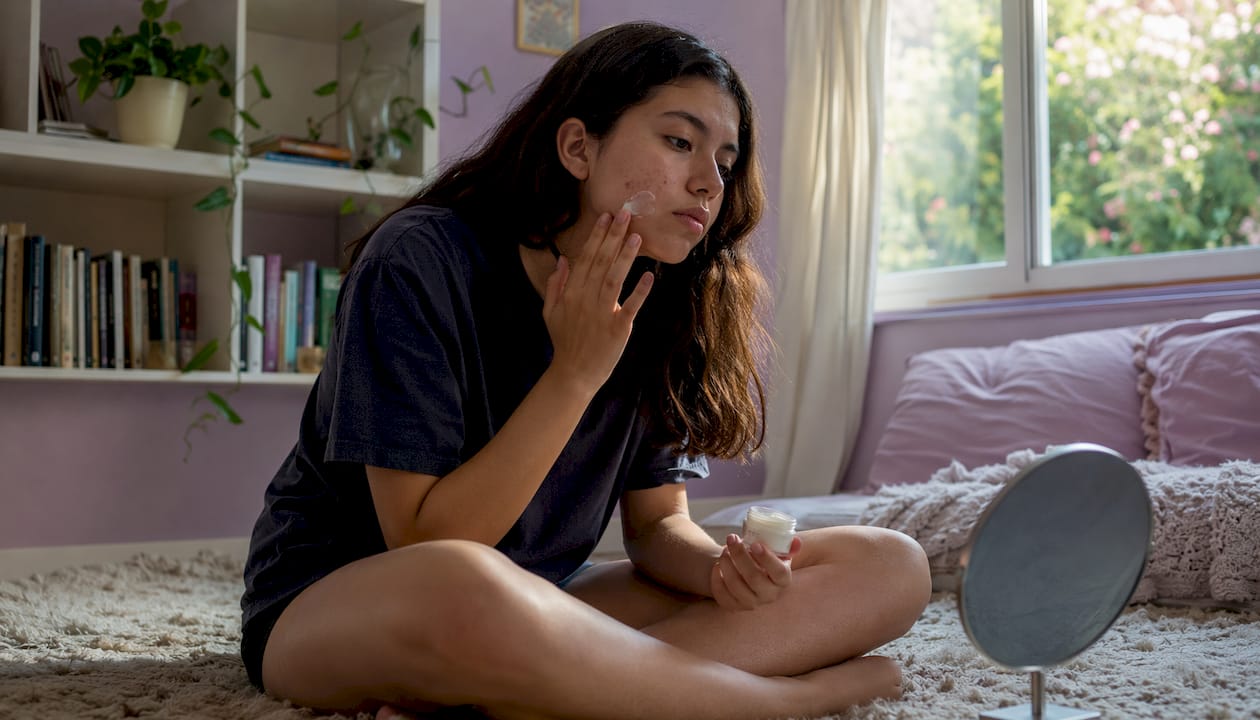
Treating acne early is the single most effective way to prevent permanent scarring and stop mild breakouts from becoming painful, treatment-resistant cysts. The evidence is clear: the longer inflammation goes unchecked, the greater the risk of lasting skin damage and psychological harm. Here is what early intervention actually does for your skin.
- Prevents permanent scarring. Early treatment prevents post-inflammatory hyperpigmentation and atrophic scars before they form.
- Stops progression. Mild blackheads and whiteheads can escalate to deep, painful nodules without prompt care.
- Shortens total treatment time. Fewer lesions treated early means less aggressive therapy and faster clearance.
- Protects mental health. Acne and its scars are linked to depression and lowered self-confidence; early clearance reduces that burden.
- Reduces reliance on stronger medications. Catching acne at mild stages often means topical treatments alone can do the job, avoiding systemic drugs with heavier side effect profiles.
- Builds lasting adherence. Starting a consistent routine early makes long-term skin maintenance far more manageable.
Understanding acne: what causes it and what it looks like
Acne vulgaris is a chronic condition of the pilosebaceous unit, the hair follicle and its attached oil gland. Four factors drive it: excess sebum production, clogged pores (comedones), colonization by Cutibacterium acnes, and the inflammation that follows. Hormonal shifts during puberty, pregnancy, and the menstrual cycle trigger androgen surges that ramp up sebum output, which is why acne prevalence among adolescents ranges from 35% to over 90%.
Lesions fall into two broad categories. Non-inflammatory lesions include open comedones (blackheads) and closed comedones (whiteheads). Inflammatory lesions include papules, pustules, nodules, and cysts, each representing a deeper, more damaging stage of the same underlying process.
Grade 1, or mild acne, involves fewer than 30 total lesions, mostly non-inflammatory, with no nodules. This is the optimal window for early treatment, before inflammation has a chance to damage the deeper layers of skin. Acne can begin as early as ages 7–12 and, without treatment, persist well into adulthood.
How early treatment prevents acne from getting worse
The path from a single clogged pore to a permanent scar is faster than most people expect. Microcomedones, invisible to the naked eye, are the starting point. Bacterial colonization triggers an inflammatory cascade, and if that inflammation runs long enough, it disrupts the sebaceous gland’s structure through cellular apoptosis and necrosis. The result is an atrophic scar, a permanent depression in the skin.
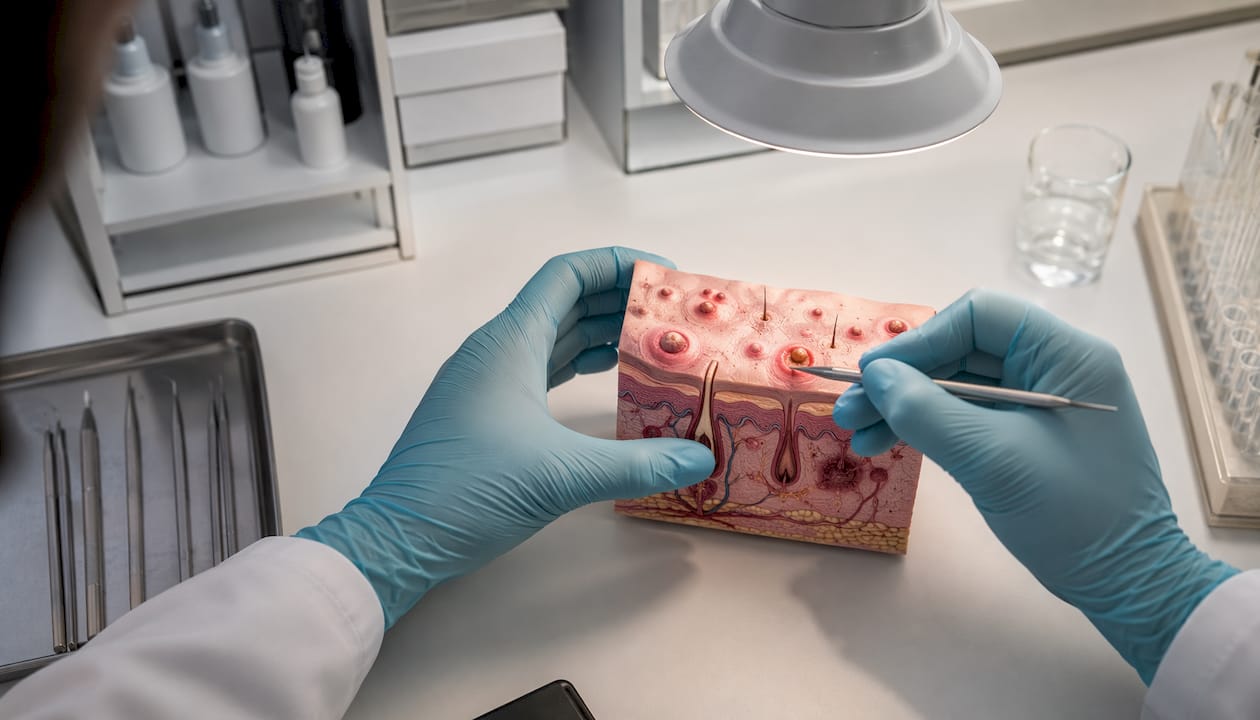
Duration of inflammation is the key variable. Long-lived papules, characterized by a B cell infiltrate, carry the highest scarring risk. Treating acne early cuts that duration short, preserving the balance between pro-inflammatory and anti-inflammatory cytokines that healthy skin depends on.
Clinical targets reflect this urgency. Dermatologists typically aim for greater than 50% clearance with initial treatment, then transition to maintenance therapy to prevent relapse and further scarring.
Early intervention interrupts acne worsening in several concrete ways:
- Reduces bacterial load in microcomedones before the inflammatory cascade begins
- Limits the duration of papule inflammation, the primary driver of atrophic scarring
- Preserves sebaceous gland structure by preventing apoptosis and necrosis
- Maintains cytokine balance to avoid tissue damage
- Prevents post-inflammatory hyperpigmentation, especially in medium to dark skin tones
| Stage | Lesion type | Scarring risk | Recommended action |
|---|---|---|---|
| Grade 1 (mild) | Blackheads, whiteheads | Low, but present | Topical retinoid or benzoyl peroxide |
| Grade 2 (moderate) | Papules, pustules | Moderate | Topical combination therapy |
| Grade 3 (severe) | Nodules, cysts | High | Systemic therapy, dermatologist referral |
| Post-inflammatory | PIH, erythema | Ongoing without treatment | Maintenance therapy, sun protection |
What treatment options look like and how long they take
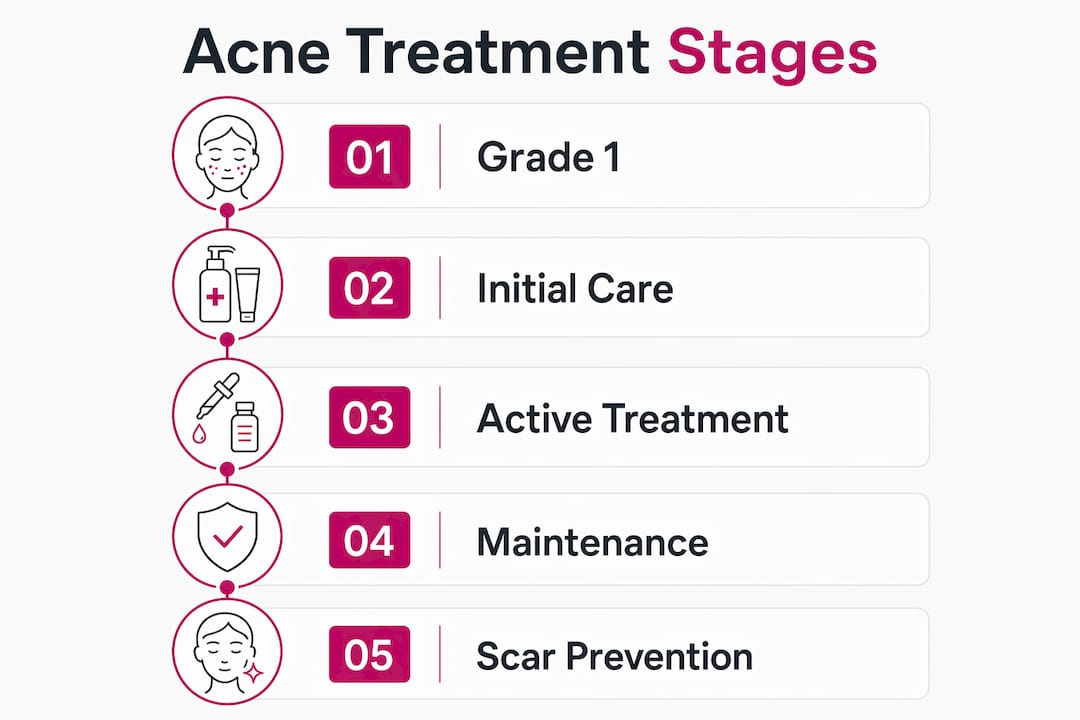
Most prescription acne treatments show visible results after 4 to 8 weeks, with follow-up appointments every 3 to 6 months necessary until skin improves. That delay catches many patients off guard, and it is the single biggest reason people quit too soon. The American Academy of Dermatology is direct on this point: treating acne like a daily habit, the way you brush your teeth, produces far better outcomes than chasing quick fixes.
First-line options for mild to moderate acne include:
- Topical retinoids (adapalene, tretinoin, tazarotene): prevent new comedone formation, promote cell turnover, and serve as the backbone of maintenance therapy.
- Benzoyl peroxide: kills C. acnes bacteria and reduces the risk of antibiotic resistance when combined with topical antibiotics.
- Topical antibiotics (clindamycin, erythromycin): reduce bacterial load and inflammation; always paired with benzoyl peroxide to limit resistance.
- Combination products (0.3% adapalene/2.5% benzoyl peroxide): a fixed-dose option with evidence for reducing atrophic scarring when used early.
- Oral antibiotics (doxycycline, lymecycline): reserved for moderate to severe cases; limited to 3–6 months to minimize resistance.
- Hormonal therapies (spironolactone, combined oral contraceptives): effective for women with androgen-driven acne.
- Oral isotretinoin: the most powerful option for severe, scarring, or treatment-resistant acne; requires close monitoring.
| Treatment phase | Timeline | Goal |
|---|---|---|
| Initial treatment | Weeks 1–8 | Reduce active lesions by greater than 50% |
| Reassessment | Months 3–6 | Adjust regimen, assess scar risk |
| Maintenance | Ongoing | Prevent relapse with topical retinoid |
Pro Tip: Expect a brief “purging” phase in the first 2–4 weeks of retinoid use, when existing microcomedones surface before clearing. This is normal and not a reason to stop.
Adherence is everything. Patients who treat acne consistently, morning and night, with medicated products prevent new lesion formation far more effectively than those who treat reactively. Avoiding lesion picking is equally critical: mechanical manipulation creates a separate wound-healing process that topical treatments cannot address.
What happens when acne goes untreated
Delaying treatment does not give acne a chance to resolve on its own. For most people, it gives inflammation more time to do damage.
Physical complications include:
- Atrophic scars: permanent depressions caused by collagen loss from prolonged inflammation
- Post-inflammatory hyperpigmentation (PIH): dark spots that can last months, particularly in medium to dark skin tones, and require distinct management from true scars
- Hypertrophic or keloid scars: raised scars more common on the chest and back
Psychological complications are just as serious. Large studies link acne severity directly to depression, anxiety, and reduced quality of life. Scars compound that burden, since patients often feel discouraged knowing that existing scars cannot be fully reversed.
Nearly a third of people with acne scars have almost clear or mild acne at the time of scarring. Forty percent have only moderate acne. Severity alone does not predict who scars. Delayed treatment and lesion picking are the most important risk factors, which means the outcome is largely within reach of early action.
Expert perspectives on managing acne early
Dermatologists increasingly frame acne as a chronic inflammatory disease rather than a cosmetic nuisance. That framing changes how treatment is approached: the goal is not just clearing current lesions but preventing the next wave and protecting skin structure over the long term.
Patient education is where many treatment plans succeed or fail. When patients understand that papule duration drives scarring, they have a concrete reason to stay consistent. Visual tools that show the inflammatory pathway from microcomedone to atrophic scar are particularly effective at motivating adherence. Open communication between patient and provider about scar risk, treatment timelines, and realistic expectations is not optional. It is the mechanism by which good clinical advice actually translates into better skin.

Pro Tip: At your first dermatology appointment, ask specifically about your personal scar risk factors, including family history of acne scarring and your skin tone’s susceptibility to PIH. That conversation shapes the entire treatment plan.
At Raodermatology, with over 25 years of clinical experience across California, New Jersey, and New York, the approach to acne and rosacea treatment centers on early, individualized intervention. Patients are educated on why their specific acne type warrants prompt care, what to expect during the first weeks of treatment, and how maintenance therapy protects their results long-term.
Long-term benefits of treating acne early
Clearing active breakouts is only the beginning. The long-term benefits of early acne treatment extend well beyond the initial clearance phase.
Patients who start treatment at mild stages avoid the compounding problem of treating both active acne and its aftermath simultaneously. Scar revision procedures, including laser resurfacing, microneedling, and chemical peels, are costly, time-intensive, and never fully restore skin to its pre-scar state. Preventing scars from forming in the first place is categorically easier than treating them afterward.
Early treatment also establishes a skin care routine that patients carry forward. The habits built during an early treatment regimen, consistent cleansing, daily retinoid use, sun protection, tend to persist and continue protecting skin health long after acne resolves. Maintenance therapy with a topical retinoid, the standard recommendation after active treatment, also provides anti-aging benefits as a secondary effect.
How early treatment protects your skin’s future
Starting treatment before acne becomes severe preserves the sebaceous gland’s normal function and prevents the structural damage that leads to chronic, difficult-to-treat breakouts. Skin that has not been repeatedly inflamed responds better to topical treatments and is less prone to the dysbiosis, the microbial imbalance, that perpetuates the acne cycle.
Adult acne is more common than many people assume, and the scarring risk does not disappear after adolescence. Patients who establish effective treatment and maintenance routines early are significantly better positioned to manage flares triggered by stress, hormonal shifts, or environmental factors later in life. The skin’s inflammatory response, once trained toward balance, is easier to maintain than to reset after years of unchecked acne.
Why seeing a dermatologist early makes a real difference
Over-the-counter products work for some mild cases, but they cannot assess scar risk, identify underlying hormonal drivers, or prescribe the combination therapies that moderate to severe acne requires. A dermatologist brings diagnostic precision that a drugstore aisle cannot replicate.
Early consultation also catches conditions that mimic acne but require entirely different treatment, including rosacea, perioral dermatitis, and folliculitis. Misidentifying these conditions and treating them with standard acne products can worsen symptoms. The benefits of seeing a dermatologist early include an accurate diagnosis, a tailored regimen, and a follow-up structure that keeps treatment on track.
For younger patients, pediatric dermatology expertise matters. Acne that begins in preadolescence, between ages 7 and 12, can be a marker of early androgen activity and warrants evaluation beyond standard topical care.
How treating acne early saves time and money
The financial logic of early treatment is straightforward. A mild acne regimen built around a topical retinoid and benzoyl peroxide costs a fraction of what scar revision procedures run. Laser resurfacing, microneedling, and filler injections for atrophic scars require multiple sessions and ongoing maintenance, often over years.
Treating acne early also shortens the total duration of active treatment. Fewer lesions at a less severe stage respond faster, require fewer medication adjustments, and are less likely to need escalation to systemic therapies like oral isotretinoin, which carries a more demanding monitoring protocol. The at-least-2-to-3-month compliance window needed to assess treatment efficacy is far more manageable when the starting point is mild acne rather than nodular, scarring disease.
Raodermatology’s full range of dermatology services includes personalized acne treatment plans, scar prevention strategies, and cosmetic options for patients at every stage. Whether you are seeing your first breakout or managing persistent adult acne, early professional care is the most direct path to clear, healthy skin.

Key Takeaways
Early acne treatment prevents permanent scarring, shortens total treatment duration, and protects long-term skin health by stopping inflammation before it causes irreversible tissue damage.
| Point | Details |
|---|---|
| Scarring starts earlier than expected | Nearly a third of people with acne scars had almost clear or mild acne when scarring occurred. |
| 50% clearance is the clinical target | Dermatologists aim for greater than 50% lesion reduction with initial treatment, before shifting to maintenance. |
| Results take 6–8 weeks | Most topical treatments require 6–8 weeks before visible improvement appears; quitting early is the most common mistake. |
| PIH affects darker skin tones most | Post-inflammatory hyperpigmentation can last months and requires different management than atrophic scars. |
| Maintenance therapy prevents relapse | Continuing a topical retinoid after clearance is the standard approach to avoiding future scarring. |
FAQ
Why should you treat acne early instead of waiting it out?
Waiting allows inflammation to persist longer, which directly increases the risk of permanent atrophic scarring and post-inflammatory hyperpigmentation. Early treatment interrupts this process before skin structure is damaged.
Why am I suddenly breaking out when I never had acne before?
Sudden acne in adults is often triggered by hormonal shifts, stress, new medications, or environmental factors like mask-wearing. Adult acne carries the same scarring risk as adolescent acne and warrants prompt evaluation.
What does early-stage acne look like?
Grade 1 acne presents as fewer than 30 total lesions, mostly blackheads and whiteheads, with no nodules or cysts. This is the optimal stage for treatment because inflammation has not yet reached the deeper skin layers where scarring originates.
At what age does acne typically start to calm down?
Acne commonly begins between ages 7 and 12 and often resolves by the third decade of life, but it can persist or first appear in adulthood. There is no guaranteed age of resolution, which is why maintenance therapy matters regardless of age.
What works fastest to reduce active acne lesions?
Benzoyl peroxide reduces bacterial load quickly and is one of the fastest-acting topical agents for inflammatory lesions. For sustained control, it is most effective when combined with a topical retinoid as part of a consistent daily regimen.
Recommended
- Professional Acne Treatments for Clear, Healthy Skin | Rao Dermatology | Rao Dermatology
- 5 Essential Reasons to Choose Professional Medical Acne Treatment Over DIY Solutions | Rao Dermatology
- Microdermabrasion vs Chemical Peels for Acne: Which Treatment Is Right for You? | Rao Dermatology
- Customized Acne Treatment Solutions | Manhattan Dermatology | Rao Dermatology | Rao Dermatology
Filed under: