
Discover the fastest and most effective scalp psoriasis treatment options. Learn about prescription solutions that deliver quick results.
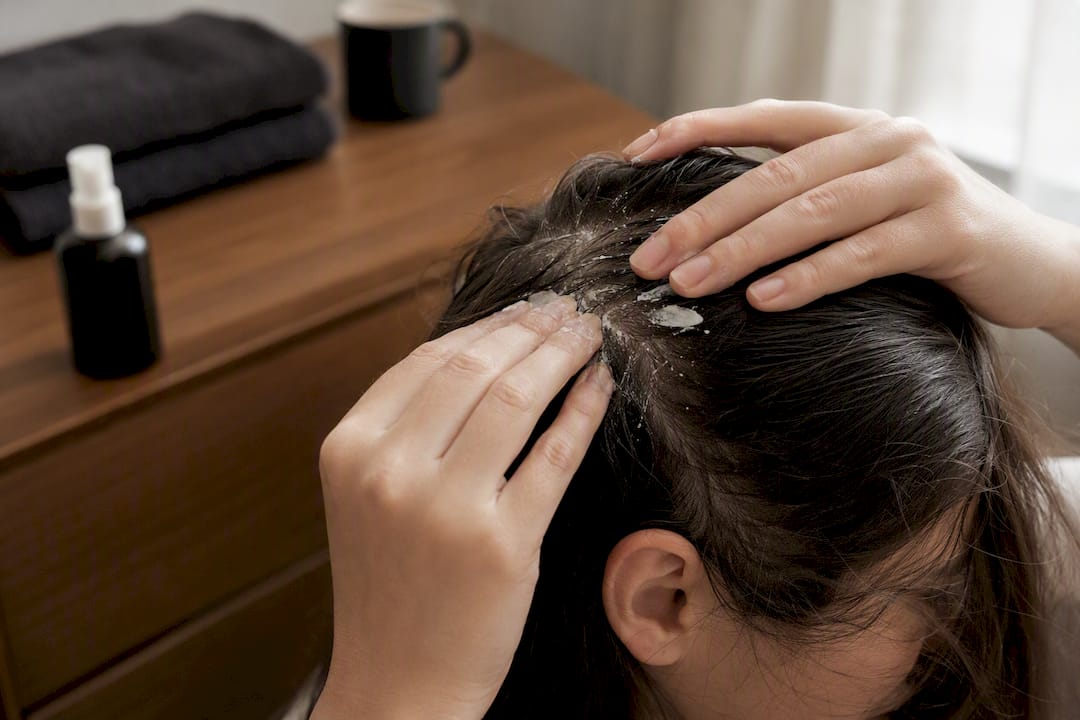
For most people, the fastest path to clear skin is a prescription topical corticosteroid in a hair-friendly vehicle, paired with a keratolytic or medicated shampoo to lift scale first. This combination outperforms over-the-counter shampoos alone and works faster than waiting out a flare. Topical corticosteroids remain the most effective topical therapy for scalp psoriasis, and newer foam and spray vehicles help the medication actually reach inflamed skin instead of sitting on top of thick scale.
Here’s what to expect on timeline, and when to stop treating this yourself:
- Corticosteroid solutions or foams: visible improvement often within days to two weeks.
- Vitamin D analog combinations: meaningful reduction in plaques by around eight weeks.
- Severe or widespread scalp involvement: refer to a dermatologist for phototherapy or systemic therapy rather than escalating over-the-counter products on your own.
- Safety note: don’t scratch, even when it’s unbearable. Scratching triggers new plaques at the injury site (a Koebner reaction) and using a potent steroid for weeks without medical supervision raises the risk of skin thinning.
If you’re new to this diagnosis or unsure whether what you’re seeing is even psoriasis, keep reading. The rest of this guide walks through every tier of treatment, from drugstore shelf to biologic injection, plus the application technique most people get wrong.
Key Takeaways
Effective scalp psoriasis treatment starts with topical corticosteroids and keratolytic scale management, escalating to phototherapy or systemic and biologic therapy when disease is moderate-to-severe or unresponsive.
| Point | Details |
|---|---|
| Start with topical steroids | A potent corticosteroid in foam or solution form clears plaques faster than other topical options. |
| Soften scale before treating | Salicylic acid or urea pretreatment helps medication reach inflamed skin instead of coating scale. |
| Match vehicle to hair type | Foams and sprays suit fine hair; gels work better for brittle or coarse textures. |
| Escalate after real failure | Move to phototherapy or biologics after a genuine trial of topicals, not months of guessing. |
| Rao Dermatology coordinates care | Offers personalized vehicle selection and a clear pathway from topicals to phototherapy or systemic therapy across its California, New Jersey, and New York locations. |
Table of Contents
- Scalp Psoriasis Treatment by Severity: A Quick Decision Map
- Prescription Topical Therapies: Corticosteroids, Vitamin D Analogs, and Combinations
- OTC Shampoos and Keratolytics: What They Actually Do
- Does Phototherapy Work for Scalp Psoriasis?
- When Do You Need Biologics or Systemic Therapy for Scalp Psoriasis?
- How to Apply Scalp Psoriasis Treatment So It Actually Works
- How Do Dermatologists Diagnose Scalp Psoriasis?
- What Triggers Scalp Psoriasis Flares?
- What Rao Dermatology Offers for Scalp Psoriasis Care
- Why Vehicle Choice Gets Overlooked in Scalp Psoriasis Care
- Get a Personalized Scalp Psoriasis Treatment Plan
- Sources
- FAQ
Scalp Psoriasis Treatment by Severity: A Quick Decision Map
Not every scalp psoriasis case needs the same firepower. Matching treatment intensity to disease severity saves time and avoids unnecessary side effects.
- Mild scalp psoriasis (light scaling, small patches, minimal itch): start with an over-the-counter keratolytic shampoo containing salicylic acid, used two to three times weekly, alongside gentle scale removal. Give this four to six weeks before judging it a failure.
- Moderate scalp psoriasis (visible plaques, flaking that sheds onto clothing, persistent itch): move to a prescription corticosteroid foam, solution, or spray, often combined with a vitamin D analog. Expect noticeable clearing within two to four weeks; if plaques haven’t budged by week six, that counts as treatment failure and warrants a formulation change or dermatologist visit.
- Severe or recalcitrant scalp psoriasis (thick, adherent plaques covering large areas, scalp pain, or disease that keeps returning within days of stopping treatment): this is when phototherapy or systemic and biologic agents enter the conversation, particularly if you also have moderate-to-severe psoriasis elsewhere on your body.
Watch for a few signals that mean it’s time to pause and reassess rather than push through: skin that looks thinner or more fragile where you’ve been applying steroid, new redness that looks like irritation rather than psoriasis, or any sign of infection (oozing, increasing pain, fever). Any of those means a call to your dermatologist, not a stronger dose of whatever you’re using.
Prescription Topical Therapies: Corticosteroids, Vitamin D Analogs, and Combinations
Corticosteroids do the heavy lifting in scalp psoriasis treatment, and the evidence backs that up clearly. Trials comparing vehicles and formulations consistently show that corticosteroid foams and solutions clear plaques faster than other topical options, largely because they’re formulated to actually penetrate through hair rather than just coat it.
Dermatologists typically prescribe a potent or super-potent corticosteroid (think clobetasol or betamethasone dipropionate) for a short induction period, usually two to four weeks, then taper to a milder steroid or a steroid-vitamin D combination for maintenance. That taper matters. Using a super-potent steroid continuously for months raises the risk of skin atrophy, stretch marks at the treatment site, and in rare cases, enough systemic absorption to affect the body’s own cortisol production. Vitamin D analogs like calcipotriol work more slowly on their own, often needing around eight weeks to show their full effect, but they don’t carry the same atrophy risk and combining them with a steroid tends to produce better results than either alone.
Vehicle choice changes the outcome more than most people assume. Patients tend to stick with foams and sprays longer than greasy ointments because they’re easier to work through hair and don’t leave residue that requires extra washing. That difference in adherence is often the real reason one prescription “works” and another “doesn’t,” even when the active ingredient is identical.
Here’s how the main vehicle types stack up in practice:
- Foams: spread easily through hair, dry quickly, good for daily use during induction.
- Solutions and sprays: thin consistency, useful for reaching hard-to-part areas, minimal buildup.
- Shampoos: convenient for maintenance since they combine with a step you already do, but shorter contact time than leave-on formulas.
- Ointments: most occlusive and often the most potent delivery, but heaviest and least popular for long hair.
A typical prescription plan looks like this: apply the steroid once or twice daily to affected areas for two to four weeks, then switch to weekend-only or twice-weekly maintenance dosing, often paired with a vitamin D analog on the off days. If a patient is also managing thick scale, a keratolytic pretreatment fits in before the steroid application, not instead of it.
Pro Tip: Apply corticosteroid solutions to a dry scalp, not a wet one right after showering. Water on the skin can dilute the medication and reduce how well it absorbs, especially with thinner solution formulas.
OTC Shampoos and Keratolytics: What They Actually Do
Over-the-counter products have a real role in scalp psoriasis treatment, but it’s a supporting one, not a starring one. Salicylic acid and coal or pine tar are the two active ingredients with the most backing for softening and lifting scale, and both show up in most medicated shampoo lines sold in pharmacies.
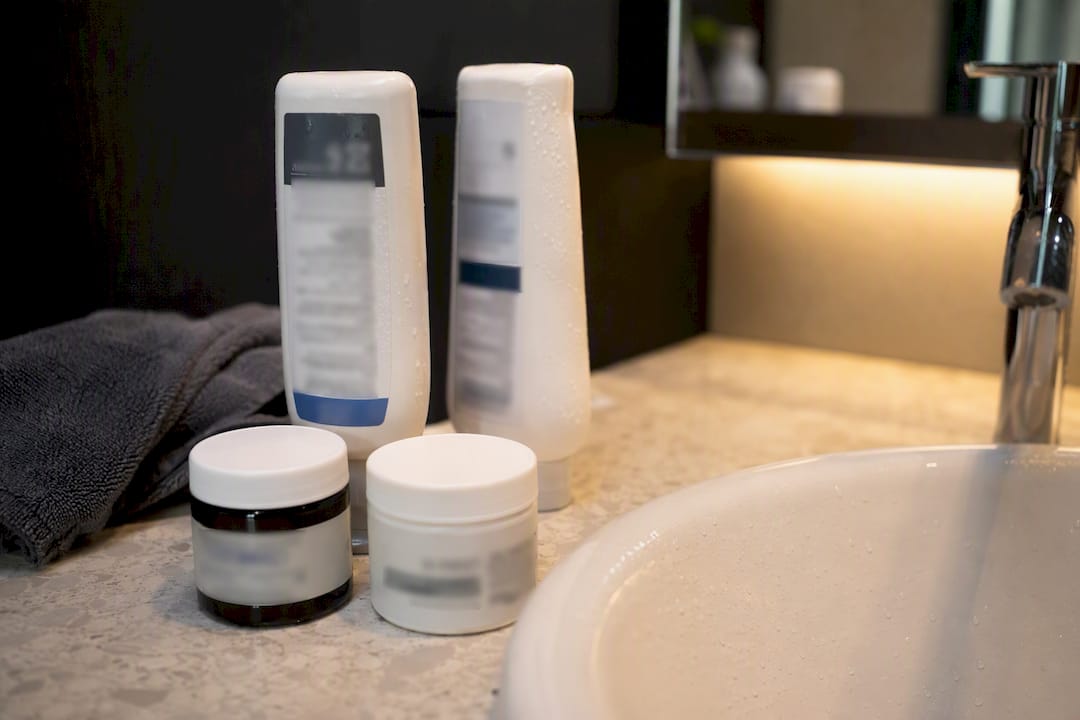
Salicylic acid works as a keratolytic, meaning it breaks down the bonds holding dead skin cells together so scale sheds more easily. That matters beyond cosmetics: scale left in place blocks prescription medication from reaching inflamed skin underneath, so a keratolytic often does more good as a pretreatment step than as a standalone fix.
Tar shampoos have a longer history, but the evidence supporting them as a first-line choice is weaker than the evidence for salicylic acid. Guideline summaries increasingly favor salicylic acid over tar as the go-to OTC adjunct, partly because tar products stain lighter hair and clothing and carry a stronger smell that hurts adherence.
A few other ingredients worth knowing:
- Zinc pyrithione: mild antimicrobial and anti-inflammatory action, gentler option for sensitive scalps.
- Ketoconazole: an antifungal shampoo, more relevant when seborrheic dermatitis overlaps with or mimics psoriasis than for psoriasis alone.
Practical use matters as much as ingredient choice. Most medicated shampoos need to sit on the scalp for five to ten minutes before rinsing to work, not the ten-second lather-and-rinse most people default to. Used two to three times a week, they can meaningfully reduce scale buildup in mild cases, but expecting a shampoo alone to clear a moderate or severe plaque is where most people get frustrated and give up too early. The realistic expectation: shampoos manage scale and support prescription treatment, they rarely replace it.
Does Phototherapy Work for Scalp Psoriasis?
Yes, targeted phototherapy can clear scalp psoriasis, and it’s a legitimate option before jumping to systemic drugs. Targeted handheld narrowband UVB combs and excimer laser devices have shown measurable improvement in scalp plaques in clinical studies, addressing the biggest historical obstacle to scalp phototherapy: hair blocking the light from ever reaching the skin.
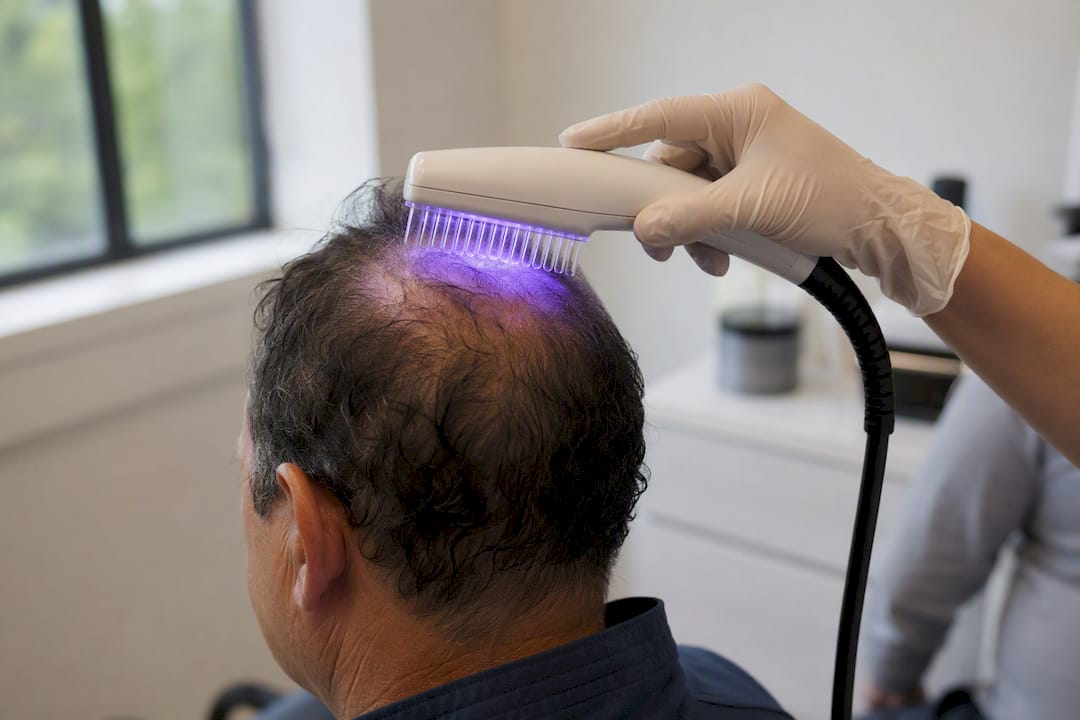
Standard full-body UVB booths struggle with the scalp precisely because hair shields the treatment area. That’s why the field moved toward comb-style devices and excimer lasers that part hair and deliver light directly to plaques. Some small trials suggest targeted phototherapy can produce longer remission than certain topical steroids alone, though the research base is smaller than what exists for topical corticosteroids.
Here’s what phototherapy involves in practice:
- Frequency: typically two to three sessions per week in-clinic during the active treatment phase.
- Duration to results: most protocols run several weeks before plaques show substantial clearing.
- Handheld home devices: exist for maintenance in some cases, but access and cost vary, and clinical oversight still matters for dosing.
- Best candidates: people with localized, stubborn plaques that haven’t responded well to topicals, or those looking to reduce reliance on steroids long-term.
The logistics are the real barrier for a lot of patients. Fitting two or three clinic visits into a work week isn’t trivial, and results depend heavily on consistent attendance, unlike a tube of cream you can apply on your own schedule. Dermatologists usually reach for phototherapy when scalp disease keeps recurring despite good topical adherence, or as an add-on when someone wants to cut back on long-term steroid use. Rao Dermatology’s phototherapy services walk through how these sessions are structured for scalp-specific plaques.
When Do You Need Biologics or Systemic Therapy for Scalp Psoriasis?
Systemic therapy and biologics enter the picture when scalp disease is severe on its own, or when it’s part of moderate-to-severe psoriasis affecting other parts of the body. This isn’t usually a first step. It’s what happens after topicals and phototherapy haven’t held the line.
Traditional systemic agents, methotrexate, cyclosporine, and acitretin, have been used for decades to control widespread psoriasis, including scalp involvement, but they require regular bloodwork to monitor liver function, kidney function, and blood counts. These drugs work well but come with a monitoring commitment that a topical steroid simply doesn’t.
Biologics have changed the landscape considerably over the past decade. Agents targeting IL-17, IL-23, and TNF have demonstrated meaningful scalp clearance in clinical trials, with several, including secukinumab, guselkumab, and ixekizumab, showing scalp-specific improvement as the broader body disease resolves. Not every biologic carries scalp-specific data on its FDA label, so this is a conversation worth having directly with your dermatologist about which agent has evidence for your particular presentation. PDE-4 inhibitors like apremilast offer an oral option with a different side effect profile, generally milder than the older systemics but often less potent for severe disease.
What this looks like practically:
- Initial workup: baseline bloodwork, sometimes a tuberculosis screening before starting biologics.
- Ongoing monitoring: periodic labs for traditional systemics; less frequent monitoring for most biologics, but still regular check-ins.
- Insurance realities: biologics often require prior authorization and sometimes a documented trial of topical therapy first.
- Coordination: this tier of treatment works best when your dermatologist is tracking response over time, not through occasional self-assessment.
A structured escalation to phototherapy or systemic therapy, rather than months of trial-and-error at home, tends to get patients to clear skin faster and with less frustration. If you’ve cycled through two or three topical regimens without lasting improvement, that’s the signal to have this conversation rather than trying a fourth cream on your own.
How to Apply Scalp Psoriasis Treatment So It Actually Works
Most scalp psoriasis treatment failures aren’t about the medication, they’re about application technique. Getting a topical steroid to inflamed skin buried under hair and scale takes a specific sequence, and skipping steps is the most common reason people don’t see the results their prescription should deliver.
- Soften scale first. Apply a salicylic acid or urea-based scale softener to affected areas and let it sit for the time specified on the product, often 15 minutes to a few hours depending on formulation. Gently lifting scale with a soft brush after softening improves how well the next step penetrates, but do this gently. Aggressive scrubbing or picking at scale can trigger new plaques at the site of injury.
- Rinse thoroughly. Any leftover softener residue can interfere with steroid absorption, so a full rinse matters before moving to the medicated step.
- Part hair in sections and apply the prescription topical directly to the skin, not just onto hair. A cotton-tip applicator, comb applicator, or simply using your fingers to part hair works, whatever gets the product onto scalp skin rather than coating strands.
- Let it absorb before restyling or lying down on a pillow, generally a few minutes, so the product doesn’t transfer before it’s had a chance to work in.
- Choose your vehicle around your hair type. Foams and solutions tend to suit fine or thinning hair well, water-based gels work better for brittle or textured hair that dries out easily, and some patients with very coarse or curly hair still find an occasional ointment application worthwhile despite the heavier feel. Involving the patient in vehicle selection improves long-term adherence more than any single formulation being objectively “best.”
Building this routine around a wash day you already have on your calendar makes it far easier to stick with. During the taper phase, expect your dermatologist to ask you to stretch applications from daily to a few times a week, then to maintenance dosing, watching for any plaques that creep back as you scale down.
Pro Tip: Keep a quick note on your phone tracking itch severity and how visible your scalp psoriasis is week to week. A rough symptom score makes it much easier for you and your dermatologist to judge whether a treatment is actually working over four to eight weeks, rather than relying on memory alone. Rao Dermatology’s guide on safely softening and removing psoriasis scale covers this routine in more depth.
How Do Dermatologists Diagnose Scalp Psoriasis?
Diagnosis is usually clinical, meaning a dermatologist can identify scalp psoriasis by examining the pattern, thickness, and distribution of plaques without needing a biopsy in most cases. A biopsy comes into play when the presentation is unusual or isn’t responding to treatment as expected, since that raises the question of whether it’s psoriasis at all.
Three conditions commonly get confused with scalp psoriasis, and telling them apart changes the treatment plan entirely:
- Seborrheic dermatitis: greasier, yellowish scale, often less well-defined borders than psoriasis plaques, and it tends to respond to antifungal shampoos rather than steroids alone. Many patients actually have overlap between the two conditions.
- Tinea capitis (scalp ringworm): more common in children, often comes with patchy hair loss and broken hairs at the scalp surface, and requires an antifungal medication rather than a steroid, which can actually make a fungal infection worse.
- Contact dermatitis: tends to follow exposure to a new hair product and usually resolves once the irritant is removed, without the thick, silvery scale typical of psoriasis.
A few signs mean it’s time to get evaluated rather than keep experimenting at home: scalp pain that goes beyond itching, patches of hair loss that seem to be spreading quickly, oozing or crusting that suggests a secondary infection, or any treatment that isn’t working after a reasonable trial period. If you’re unsure whether what you’re seeing is psoriasis, seborrheic dermatitis, or something else entirely, Rao Dermatology’s comparison of psoriasis and eczema treatment approaches breaks down the distinguishing features in more detail.
What Triggers Scalp Psoriasis Flares?
Stress ranks as one of the most consistently reported triggers for scalp psoriasis flares, alongside smoking, heavy alcohol use, infections (strep throat in particular has a well-documented link to flares), and physical trauma to the scalp, including aggressive scratching or tight hairstyles.
Long-term management is about consistency rather than chasing a cure. Maintenance topical use, whether that’s twice-weekly steroid application or a vitamin D analog used regularly, tends to keep plaques at bay far better than treating only when a flare gets bad. It’s worth accepting early that scalp psoriasis is a chronic condition to manage rather than a problem that resolves permanently.
One comorbidity deserves specific attention: joint pain, stiffness, or swelling, particularly in fingers, toes, or the lower back, can signal psoriatic arthritis. Report these symptoms to your dermatologist rather than dismissing them, since early treatment of joint involvement prevents long-term damage.
What Rao Dermatology Offers for Scalp Psoriasis Care
Effective scalp psoriasis management depends on getting the formulation, dosing, and escalation timing right for each patient, which is where individualized care makes a measurable difference over generic advice. Rao Dermatology builds treatment plans around cosmetically acceptable vehicles that patients will actually stick with, not just the medication that looks best on paper.
What that looks like in practice:
- Personalized selection between foams, solutions, and shampoos based on hair type and lifestyle, not a one-size-fits-all prescription.
- A clear escalation pathway to phototherapy or systemic and biologic therapy when topical treatment isn’t holding.
- Care informed by Dr. Babar K. Rao’s 25+ years treating psoriasis and other chronic skin conditions across California, New Jersey, and New York locations.
- Access to educational resources and coordinated follow-up to track response over time rather than guessing whether a treatment is working.
Why Vehicle Choice Gets Overlooked in Scalp Psoriasis Care
The conventional advice on scalp psoriasis treatment tends to fixate on active ingredients, steroid strength, which vitamin D analog, whether to add a biologic, while treating vehicle choice as an afterthought. That’s backward. The literature is fairly consistent that corticosteroids work; the harder question is whether a patient will actually use the product correctly for long enough to see it work; and that comes down almost entirely to whether the formulation fits into a person’s actual hair care routine.
A steroid solution that’s clinically ideal but gets abandoned after two weeks because it’s messy or smells bad accomplishes nothing. That’s the gap most treatment guides skip past: efficacy on paper versus adherence in practice.
If there’s one thing readers should prioritize first, it’s this: don’t judge a topical treatment as “not working” until you’ve confirmed you’re applying it correctly, to the skin, after scale removal, for the full induction period. Most self-reported treatment failures are application failures, not drug failures. Get that mechanical piece right before assuming you need something stronger.
— Rao Dermatology
Get a Personalized Scalp Psoriasis Treatment Plan
Drugstore shelves are full of medicated shampoos promising relief, and plenty of general advice online tells you to just try a stronger steroid or wait it out. Neither approach accounts for what’s actually happening on your scalp, or why a treatment that works for someone else isn’t working for you.

Rao Dermatology takes a different approach: matching the treatment vehicle, dosing schedule, and escalation plan to your specific presentation and hair type, rather than defaulting to whatever’s easiest to prescribe. With Dr. Babar K. Rao’s decades of experience treating psoriasis and other chronic skin conditions across California, New Jersey, and New York, the practice builds plans meant to actually get used, not just written down. If topicals have stopped working or you’ve never had a clear diagnosis confirmed, explore Rao Dermatology’s services and schedule an evaluation to get a treatment plan built around your scalp, not a generic protocol.
This article is general information, not a substitute for advice from a qualified doctor. Consult a qualified healthcare professional about your own circumstances before acting on anything here.
Sources
- Management of scalp psoriasis: current perspectives — PMC
- Scalp Psoriasis: Symptoms, Causes & Treatment — National Psoriasis Foundation
FAQ
What is the fastest way to treat scalp psoriasis?
A prescription corticosteroid in a foam or solution vehicle, combined with a keratolytic to remove scale first, produces the fastest improvement for most people, often within days to two weeks.
What is the biggest trigger for scalp psoriasis?
Stress is one of the most consistently reported triggers, along with infections like strep throat, smoking, heavy alcohol use, and physical trauma to the scalp such as scratching or tight hairstyles.
What should I avoid using on scalp psoriasis?
Avoid aggressive scratching or scrubbing at scale, since this can trigger new plaques at the site of injury, and be cautious with tar shampoos if you have light hair or a sensitivity to the smell, since evidence favors salicylic acid as the stronger first-line OTC option.
Is oiling hair good for scalp psoriasis?
Oils aren’t a treatment for scalp psoriasis and won’t clear plaques on their own, though some people use them briefly to help soften scale before a keratolytic step; they shouldn’t replace prescribed topical therapy, but pumpkin seed oil for hair loss is sometimes discussed as a supportive supplement in hair care routines.
How long does scalp psoriasis treatment take to work?
Corticosteroids often show improvement within days to two weeks, while vitamin D analogs typically need around eight weeks for their full effect, and severe cases needing phototherapy or systemic therapy may take several weeks longer.
Recommended
- Safe Psoriasis Plaque Removal: How to Soften Scales | Rao Dermatology
- Phototherapy for Psoriasis: How Light Therapy Reduces Symptoms and Improves Skin Health | Rao Dermatology
- Psoriasis & Dermatitis | Rao Dermatology
- UVB Light Therapy for Psoriasis Treatment: Complete Guide to Phototherapy | Rao Dermatology
Filed under: