
Learn how laser therapy works, what conditions it treats, its benefits and risks, and how to prepare for treatment with expert guidance from Rao Dermatology.
Laser Therapy: Benefits, Uses & What to Expect in 2026
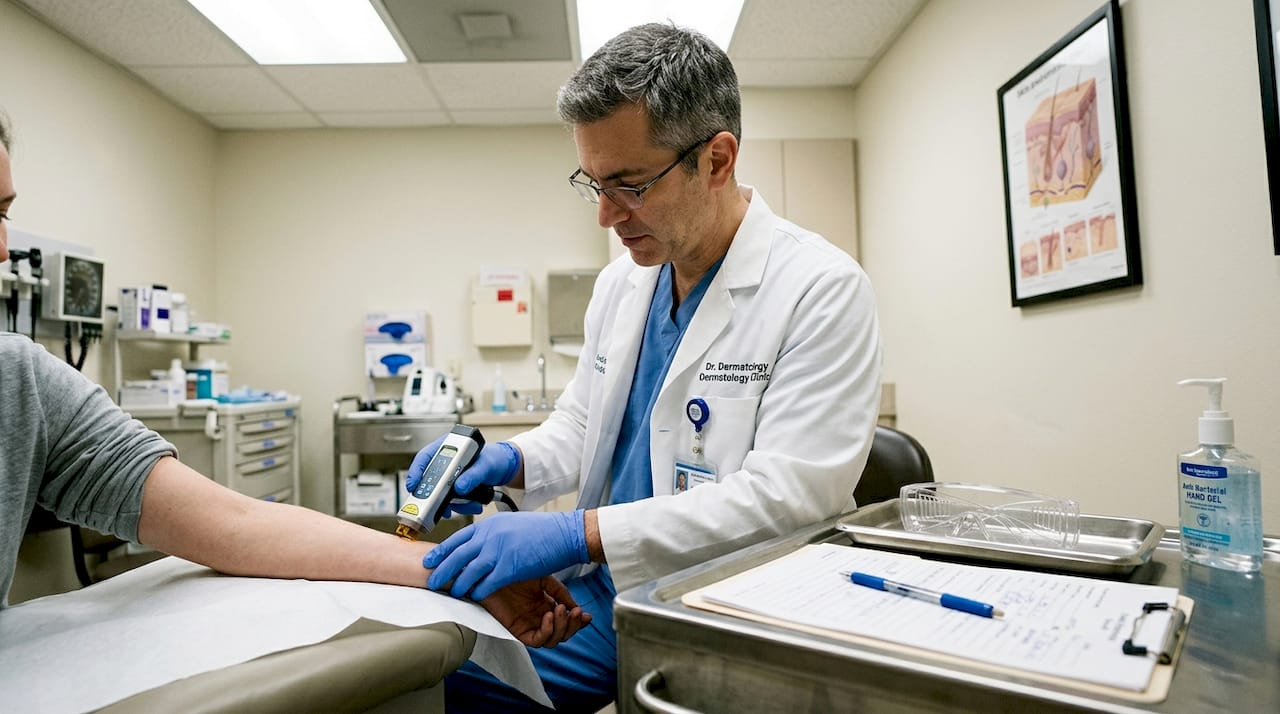
Most people assume laser therapy is reserved for smoothing wrinkles or zapping unwanted hair. The reality is far more interesting. Laser therapy has become one of the most versatile tools in modern dermatology, addressing everything from stubborn acne scars to vascular lesions and psoriasis flares. Whether you are considering a cosmetic refresh or managing a chronic skin condition, understanding how laser therapy actually works, what it can realistically do, and what recovery looks like will help you make a confident, informed decision before you ever step into a treatment room.
Table of Contents
- How laser therapy works in dermatology
- Medical and cosmetic uses of laser therapy
- Benefits and risks of laser therapy
- Preparing for and recovering from laser procedures
- The real impact: What most articles miss about laser therapy
- Explore personalized laser therapy options
- Frequently asked questions
Key Takeaways
| Point | Details |
|---|---|
| Precise skin treatment | Laser therapy allows targeted skin care for both medical and cosmetic concerns. |
| Versatile applications | It’s used for treating acne, pigmentation, hair removal, and skin rejuvenation. |
| Preparation matters | Proper pre- and post-treatment steps are critical for safety and results. |
| Consider risks | Understand side effects and consult a professional before deciding on laser therapy. |
| Professional guidance | Dermatologist evaluation ensures the right treatment for your skin type and goals. |
How laser therapy works in dermatology
Light does more than illuminate a room. When focused and calibrated correctly, it can reshape, heal, and restore skin at a cellular level. Laser therapy uses focused light energy to treat skin by targeting specific tissues, and the precision of that targeting is what separates it from older, less controlled treatments.
The core principle is called selective photothermolysis. In plain terms, a laser emits a specific wavelength of light that is absorbed by a chosen target in the skin, such as melanin (pigment), hemoglobin (blood), or water in skin cells. The absorbed energy converts to heat, destroying or altering the target tissue without significantly damaging surrounding skin. That selectivity is what makes laser therapy so effective and relatively safe when performed by a qualified provider.
There are three main categories of lasers used in dermatology:
- Ablative lasers physically remove the outer layers of skin. They are the most aggressive option and are used for deep wrinkles, significant scarring, and skin resurfacing. Recovery time is longer.
- Non-ablative lasers work beneath the skin surface without removing tissue. They stimulate collagen production and treat pigmentation with minimal downtime.
- Fractional lasers treat only a fraction of the skin at a time, leaving surrounding tissue intact. This speeds up healing while still delivering meaningful results.
Here is a quick comparison of how these laser types differ:
| Laser type | Skin layer targeted | Downtime | Best for |
|---|---|---|---|
| Ablative | Surface and deep layers | 1 to 2 weeks | Resurfacing, deep scars |
| Non-ablative | Below the surface | Minimal | Pigmentation, collagen |
| Fractional | Partial columns of tissue | 3 to 7 days | Moderate scars, texture |
Beyond rejuvenation, lasers are used for hair removal, pigmentation correction, scar treatment, and several medical dermatology applications including vascular and inflammatory conditions.
Pro Tip: Before booking any laser procedure, verify that your provider is board-certified and has specific training in laser dermatology. The technology is only as safe as the hands using it.
Medical and cosmetic uses of laser therapy
Laser therapy’s range of applications is genuinely impressive. On the medical side, dermatologists use lasers to treat acne and acne scarring, pigment disorders like melasma and post-inflammatory hyperpigmentation, vascular lesions such as spider veins and port-wine stains, and inflammatory conditions. For patients dealing with psoriasis and dermatitis, targeted laser therapy can reduce plaque formation and calm inflammation in localized areas where topical treatments have fallen short.
Laser therapy can be used for acne, pigmentation disorders, hair removal, and scar reduction, making it one of the most adaptable treatment modalities available in a dermatology practice today.
On the cosmetic side, the demand is enormous. Laser hair removal is one of the most popular cosmetic treatments performed in the United States, with over one million procedures completed annually. Patients also seek lasers for wrinkle reduction, skin tone evening, and full skin rejuvenation programs that combine multiple treatment types for layered results.
Here is how medical and cosmetic laser outcomes generally compare:
| Factor | Medical use | Cosmetic use |
|---|---|---|
| Primary goal | Treat or manage a condition | Improve appearance |
| Sessions needed | Varies by condition | Typically 3 to 6 sessions |
| Insurance coverage | Sometimes covered | Rarely covered |
| Risk profile | Moderate, condition-dependent | Generally low to moderate |
| Patient satisfaction | High when condition-matched | High with realistic expectations |
Key conditions laser therapy addresses:
- Active acne and post-acne scarring
- Hyperpigmentation and melasma
- Rosacea and visible blood vessels
- Unwanted body and facial hair
- Fine lines, wrinkles, and uneven skin texture
- Localized psoriasis plaques
Patient satisfaction data consistently supports laser therapy when it is matched to the right condition and skin type. The key word there is matched. Results vary widely depending on the laser used, the provider’s skill, and how well the treatment fits the patient’s specific skin profile.
Benefits and risks of laser therapy
Laser therapy offers real advantages, but it is not without trade-offs. Understanding both sides helps you set realistic expectations and have a more productive conversation with your dermatologist.
The benefits:
- Precision: Lasers target specific tissues without affecting surrounding skin, reducing collateral damage.
- Speed: Many sessions take 15 to 45 minutes, depending on the treatment area.
- Minimal invasiveness: No incisions, no stitches, and in many cases, no significant downtime.
- Versatility: One technology platform can address multiple concerns across medical and cosmetic categories.
- Long-lasting results: Especially for hair removal and scar reduction, results can be permanent or semi-permanent.
The risks and limitations:
- Cost: Laser treatments are not cheap, and multiple sessions add up quickly.
- Side effects: Laser treatments offer targeted options but can have side effects like redness or pigment changes that require careful management.
- Not universally suitable: Darker skin tones require specific laser types to avoid pigmentation complications. A one-size approach is genuinely dangerous here.
- Rare but serious risks: Scarring, infection, and prolonged pigment changes are uncommon but possible without proper technique.
At Rao Dermatology, we approach every laser consultation with a thorough skin assessment first. The goal is never to push a procedure. It is to determine whether laser therapy is the right tool for your specific concern, and if so, which type and settings will deliver the safest outcome.
The skin rejuvenation benefits are real, but they are maximized only when treatment is tailored to the individual. Rushing into a laser procedure without a proper evaluation is one of the most common reasons patients end up disappointed or, worse, dealing with avoidable complications. Consulting with medical skin treatments specialists before committing to any laser plan is always the smarter path.
Preparing for and recovering from laser procedures
Preparation and aftercare are not optional steps. Proper preparation and aftercare are crucial for safe laser treatment and optimal outcomes, and skipping either can significantly affect your results or increase your risk of complications.
Here is what a standard preparation and recovery process looks like:
- Avoid sun exposure for 4 to 6 weeks before treatment. Tanned or sunburned skin is far more prone to adverse reactions. Sunscreen is non-negotiable in the weeks leading up to your session.
- Pause certain medications and supplements. Blood thinners, retinoids, and some antibiotics can increase sensitivity or bleeding risk. Always disclose your full medication list to your provider.
- Shave the treatment area (for hair removal). Hair above the skin surface can burn and cause unnecessary discomfort without improving results.
- Arrive with clean skin. No makeup, lotions, or deodorant on the treatment area. These products can interfere with laser absorption.
- Follow post-treatment care instructions exactly. This typically includes gentle moisturizing, strict sun avoidance, and avoiding heat-inducing activities like saunas or intense workouts for several days.
- Watch for warning signs. Mild redness and swelling are expected. Blistering, severe pain, or signs of infection are not. Contact your provider immediately if anything feels wrong.
Recovery timelines vary. Non-ablative treatments may leave you red for a day or two. Ablative procedures can require one to two weeks of real downtime, with peeling and sensitivity throughout. Fractional treatments typically fall somewhere in between.
Pro Tip: Schedule your laser sessions at least three to four weeks before any major event. Even low-downtime treatments can leave temporary redness or uneven texture that needs time to fully settle.
Knowing your laser preparation steps in advance and working with a trusted provider through the laser treatment overview process makes the entire experience smoother and safer.
The real impact: What most articles miss about laser therapy
After seeing hundreds of patients walk through laser consultations, one pattern becomes clear: the patients who are most satisfied are rarely the ones who came in wanting the most dramatic change. They are the ones who came in with a specific, well-defined concern and received a treatment plan built around that concern.
The biggest misconception in laser therapy is that it is a universal solution. It is not. A laser that works beautifully for one patient’s pigmentation issue can be completely wrong for another patient with a similar-looking concern but different underlying skin biology.
What most articles also miss is that subtle, layered results often outperform aggressive single-session treatments in terms of long-term satisfaction. Patients who undergo gradual improvement tend to look natural and refreshed, not treated. That distinction matters enormously.
At Rao Dermatology, our laser therapy expertise is built on 25+ years of matching the right technology to the right patient. Laser therapy works best as one component of a broader skin health strategy, not as a standalone fix. When it is integrated thoughtfully, the results speak for themselves.
Explore personalized laser therapy options
If you have been considering laser therapy for a skin concern, whether medical or cosmetic, the most important first step is a professional evaluation. Every skin type, tone, and condition responds differently, and the right treatment plan starts with a conversation, not a booking.
At Rao Dermatology, our team offers a full range of professional laser treatments across our California, New Jersey, and New York locations. From cosmetic dermatology services like skin resurfacing and hair removal to medical skin solutions for conditions like psoriasis and vascular lesions, we build individualized plans grounded in clinical expertise. Schedule a consultation today and find out which laser approach is right for your skin.
Frequently asked questions
Is laser therapy safe for all skin types?
Laser therapy settings are tailored to patient skin types, making it accessible to a wide range of patients, but a dermatologist must select the appropriate laser and parameters to minimize risk for darker skin tones.
How long does it take to see results from laser treatments?
Most patients notice visible improvements within a few weeks after their first session, but skin rejuvenation and hair removal typically require a series of three to six sessions to achieve full results.
Do laser therapy procedures hurt?
Laser procedures are minimally invasive and most patients describe the sensation as a mild rubber band snap against the skin, with topical numbing cream available to reduce discomfort.
Are there lasting side effects from laser therapy?
The vast majority of side effects, including redness and swelling, resolve within days, though rare pigment changes or scarring can occur, particularly when treatments are performed without proper skin assessment.
What’s the difference between ablative and non-ablative lasers?
Ablative lasers resurface skin by removing the outer layer to address deeper concerns, while non-ablative lasers stimulate collagen and target pigment beneath the surface without disrupting the skin’s outer barrier.
Recommended
Filed under: